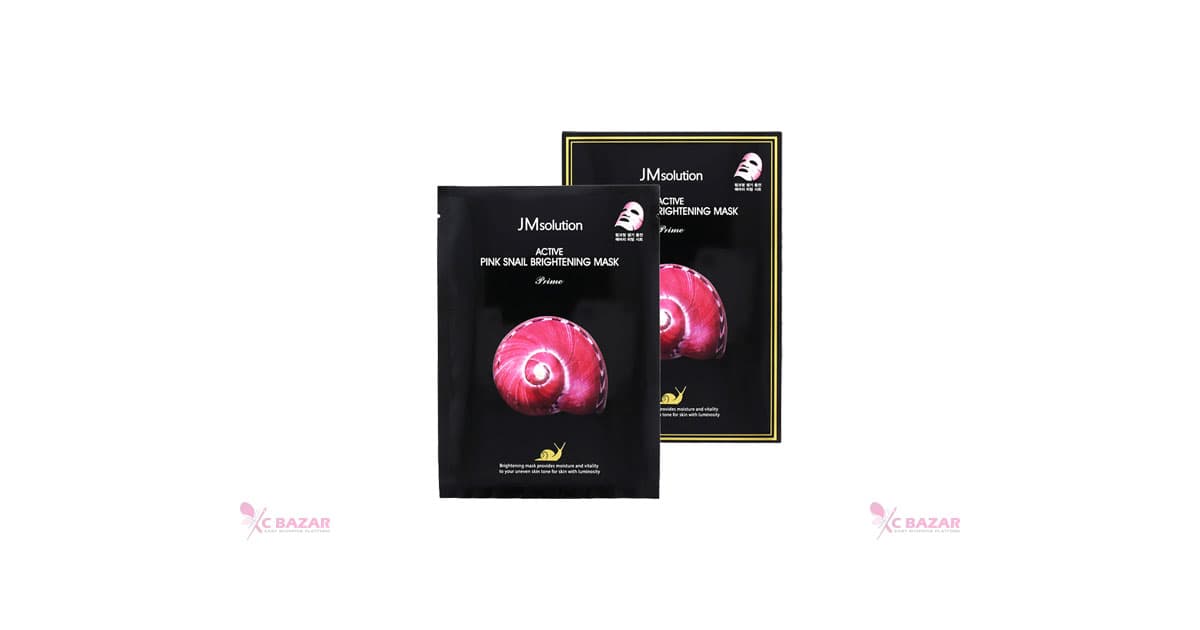
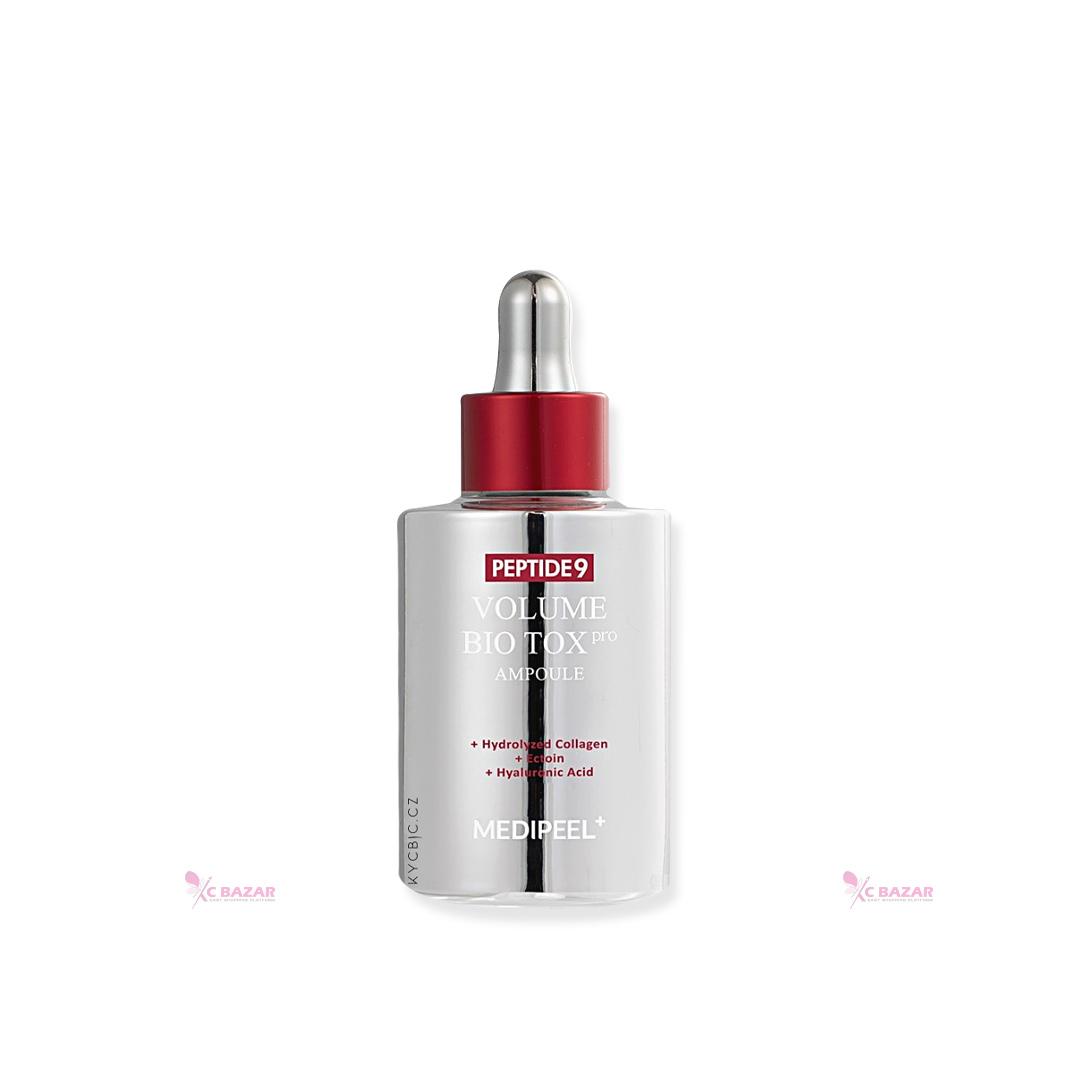
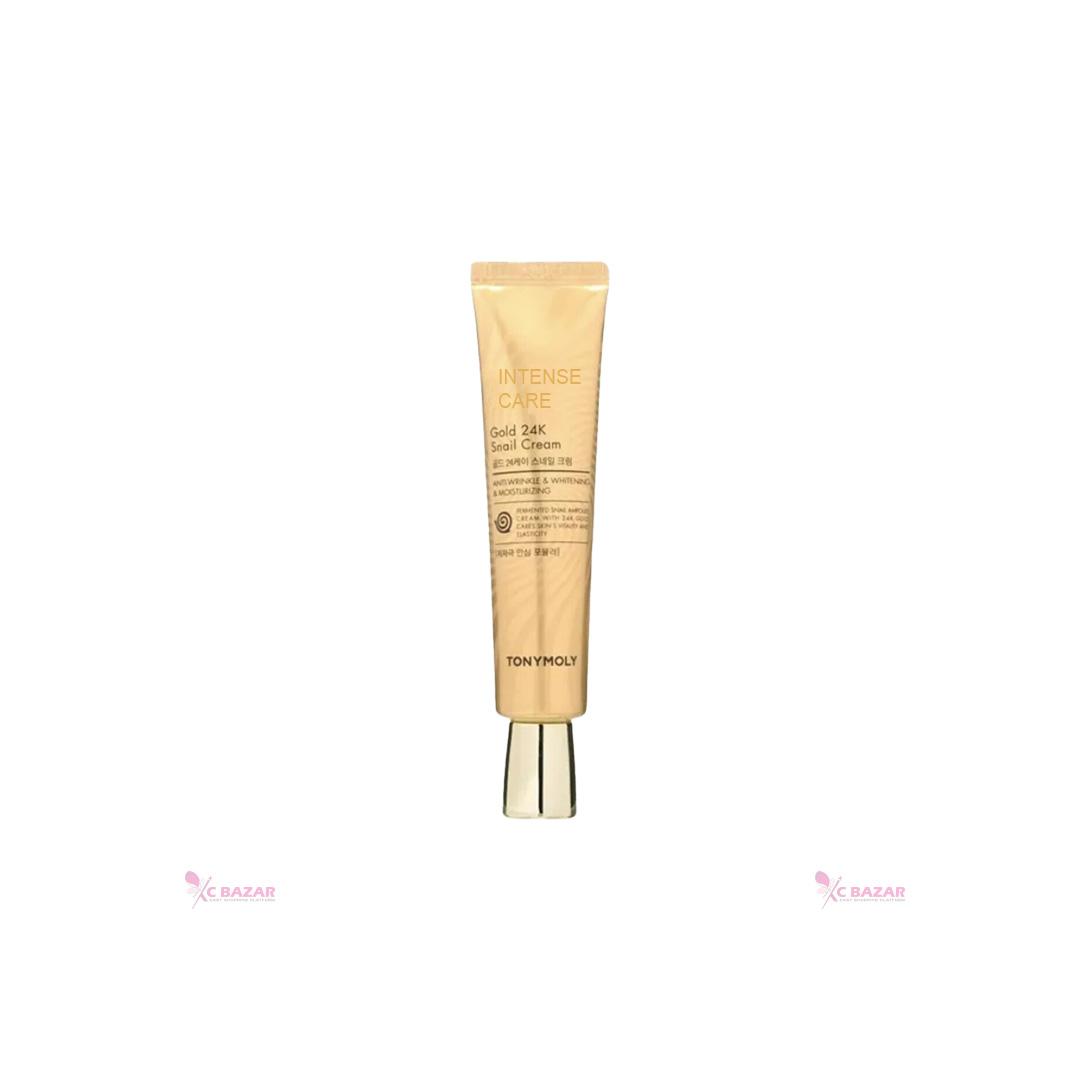
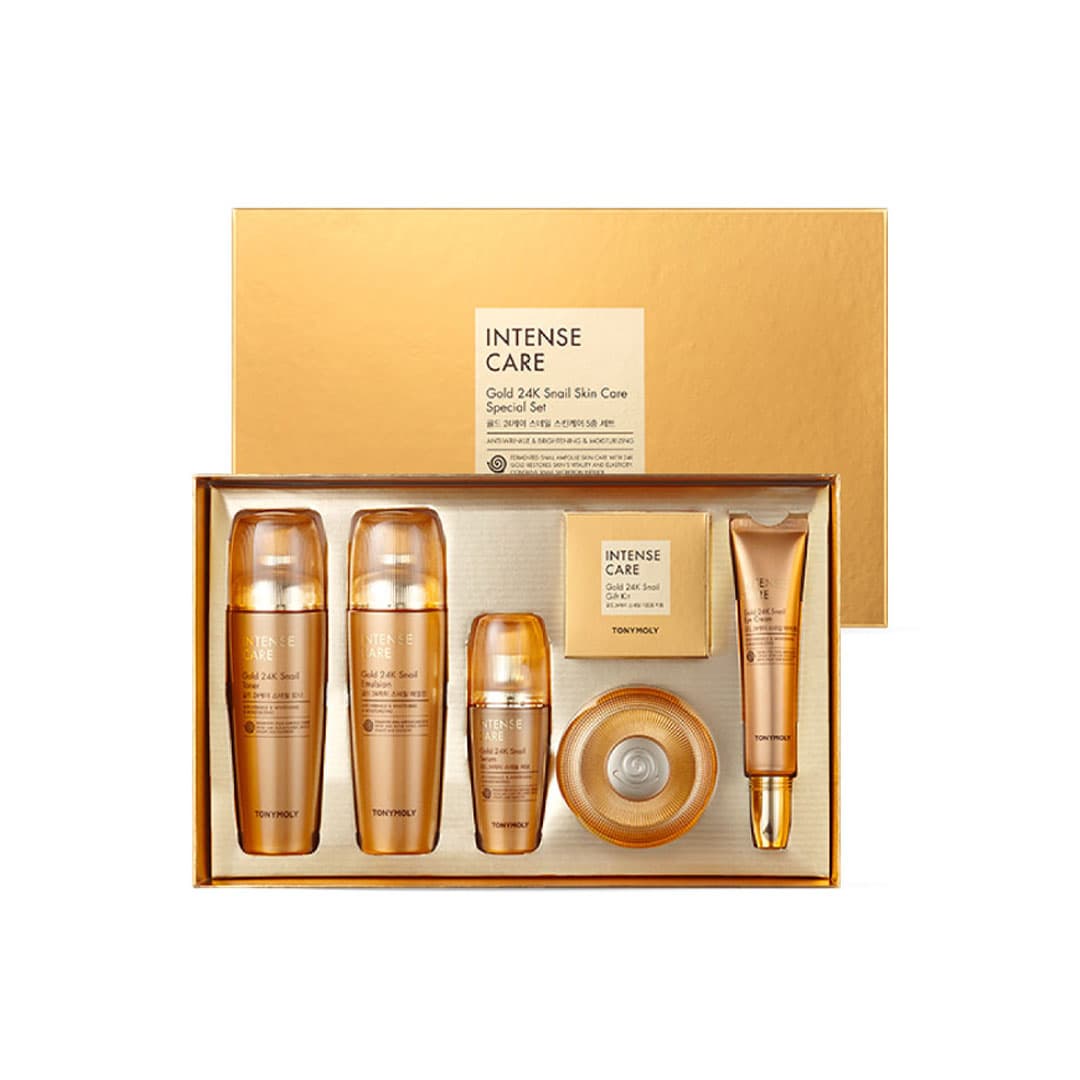
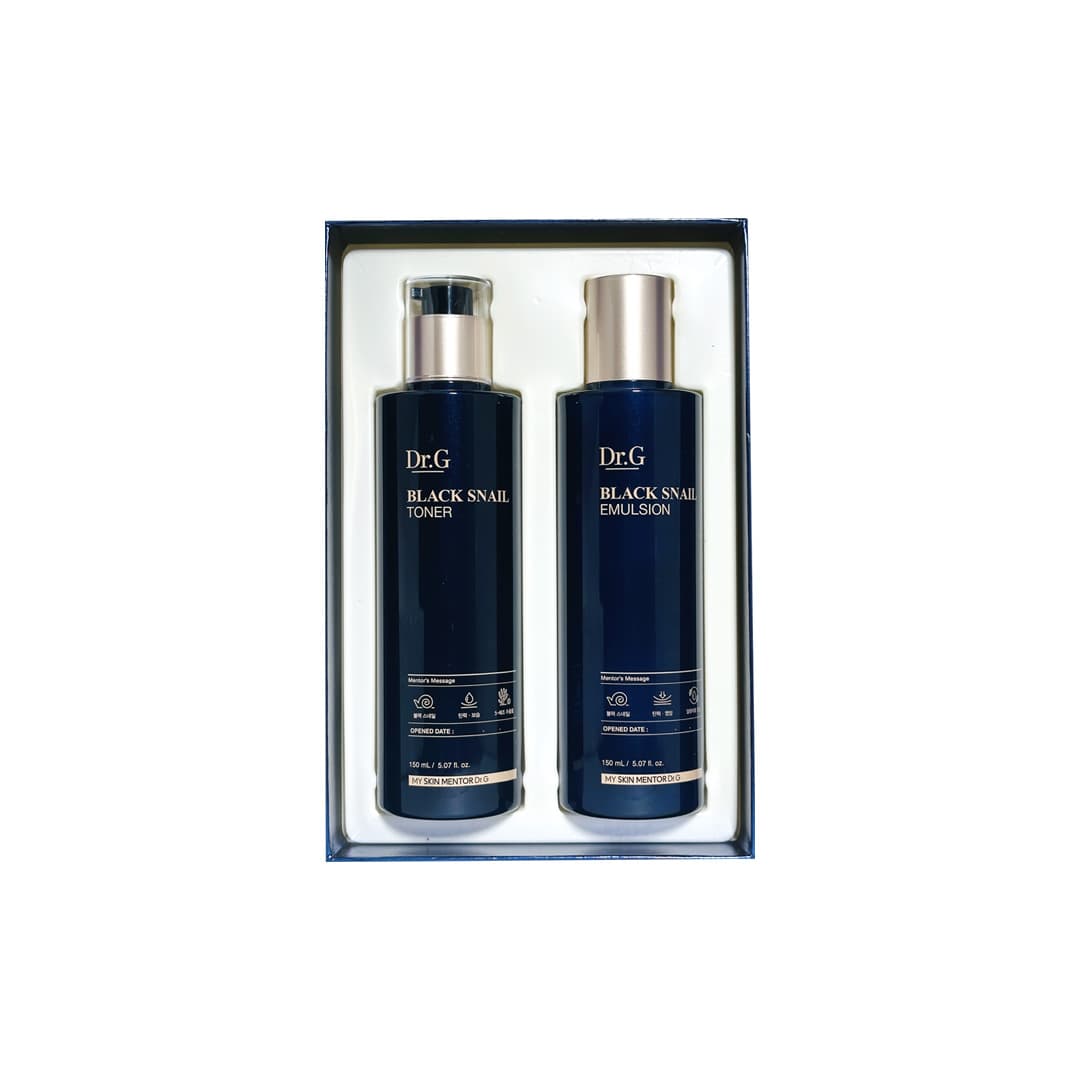
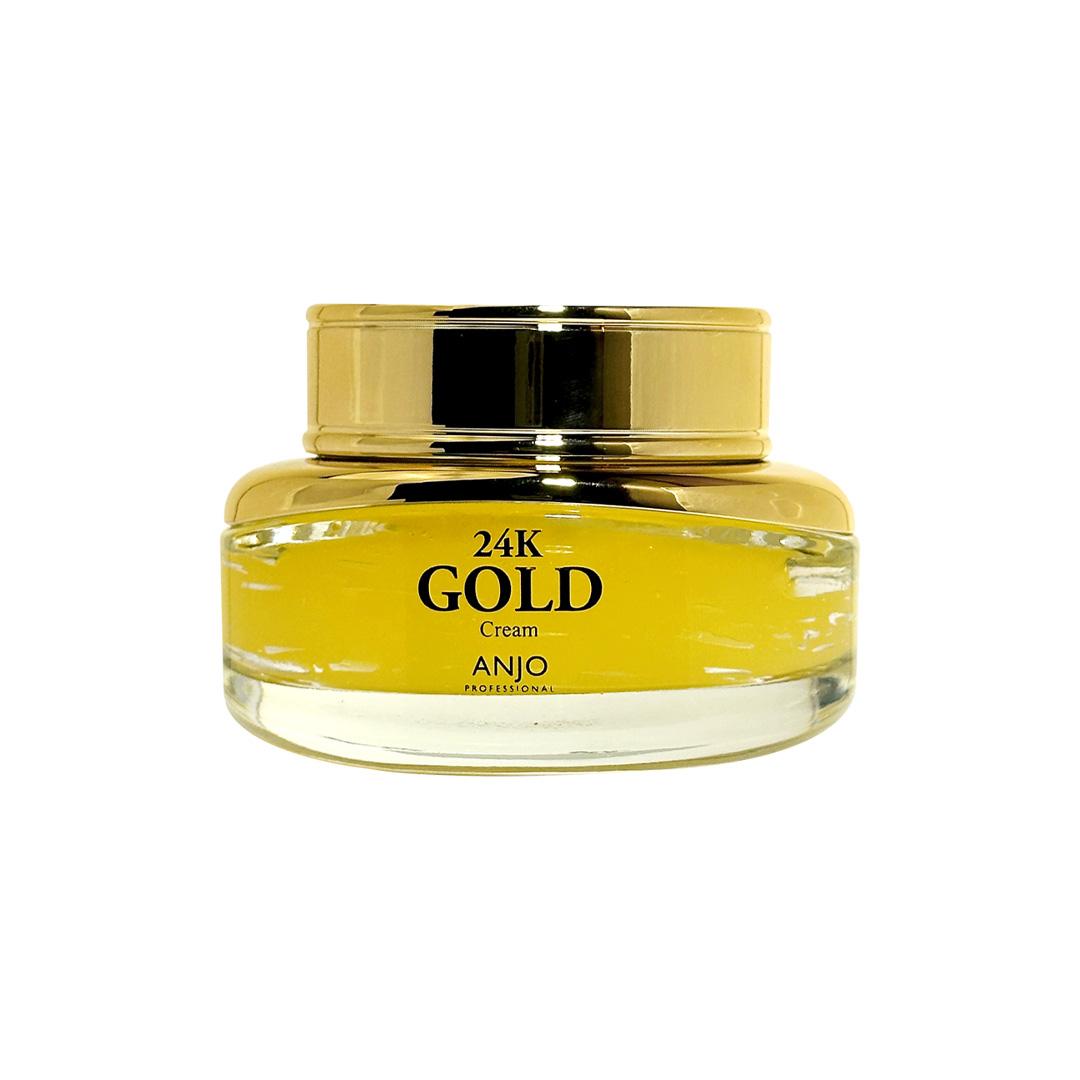
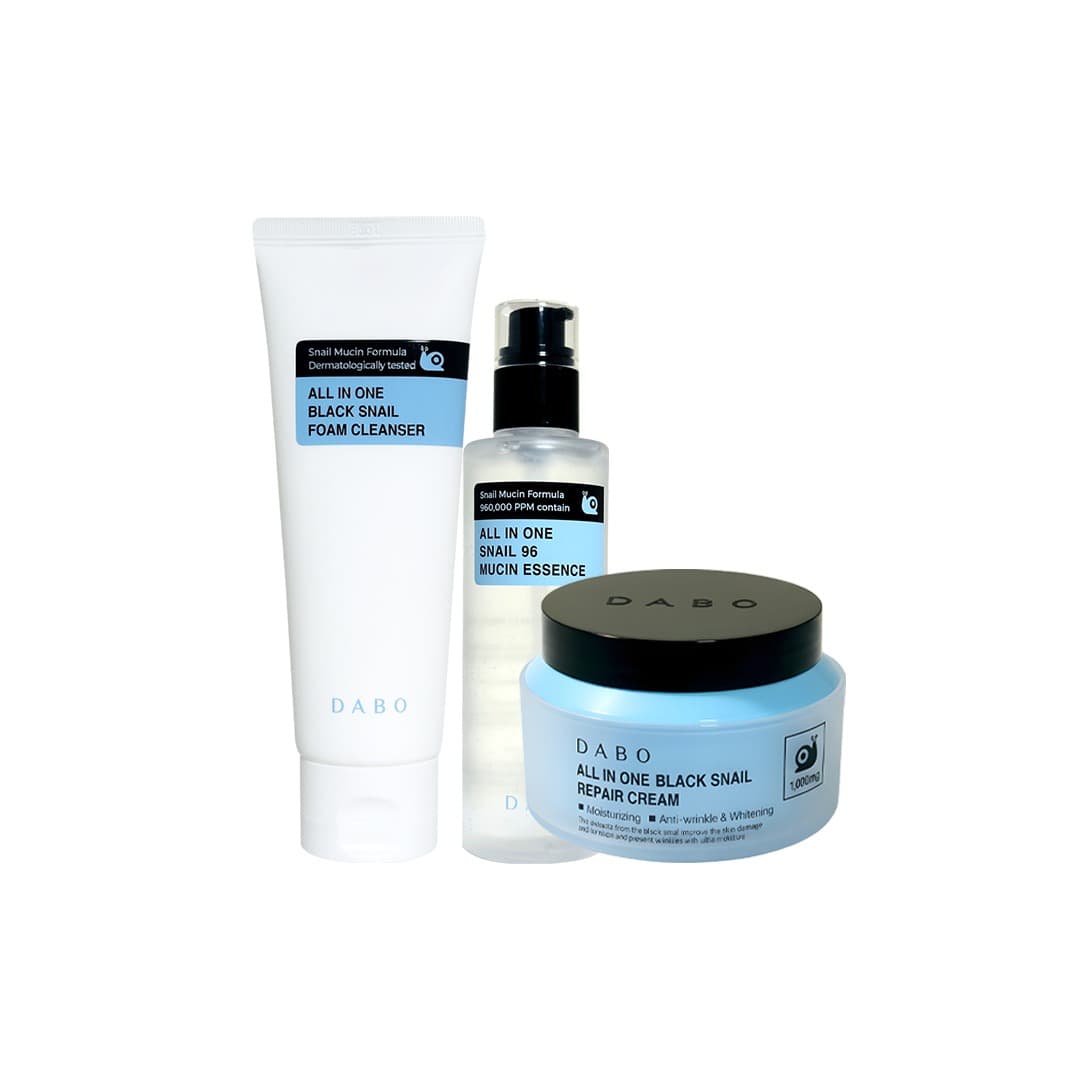
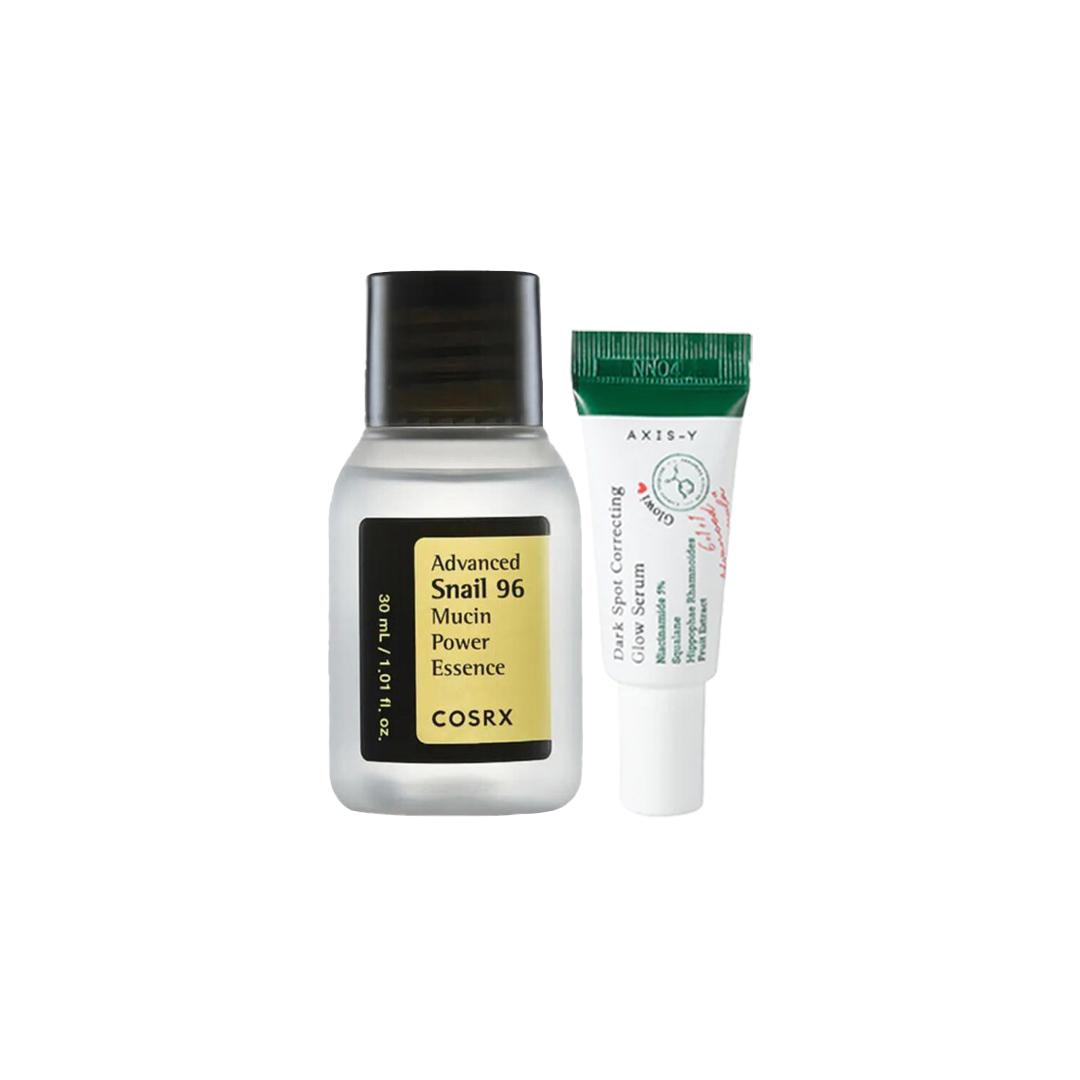
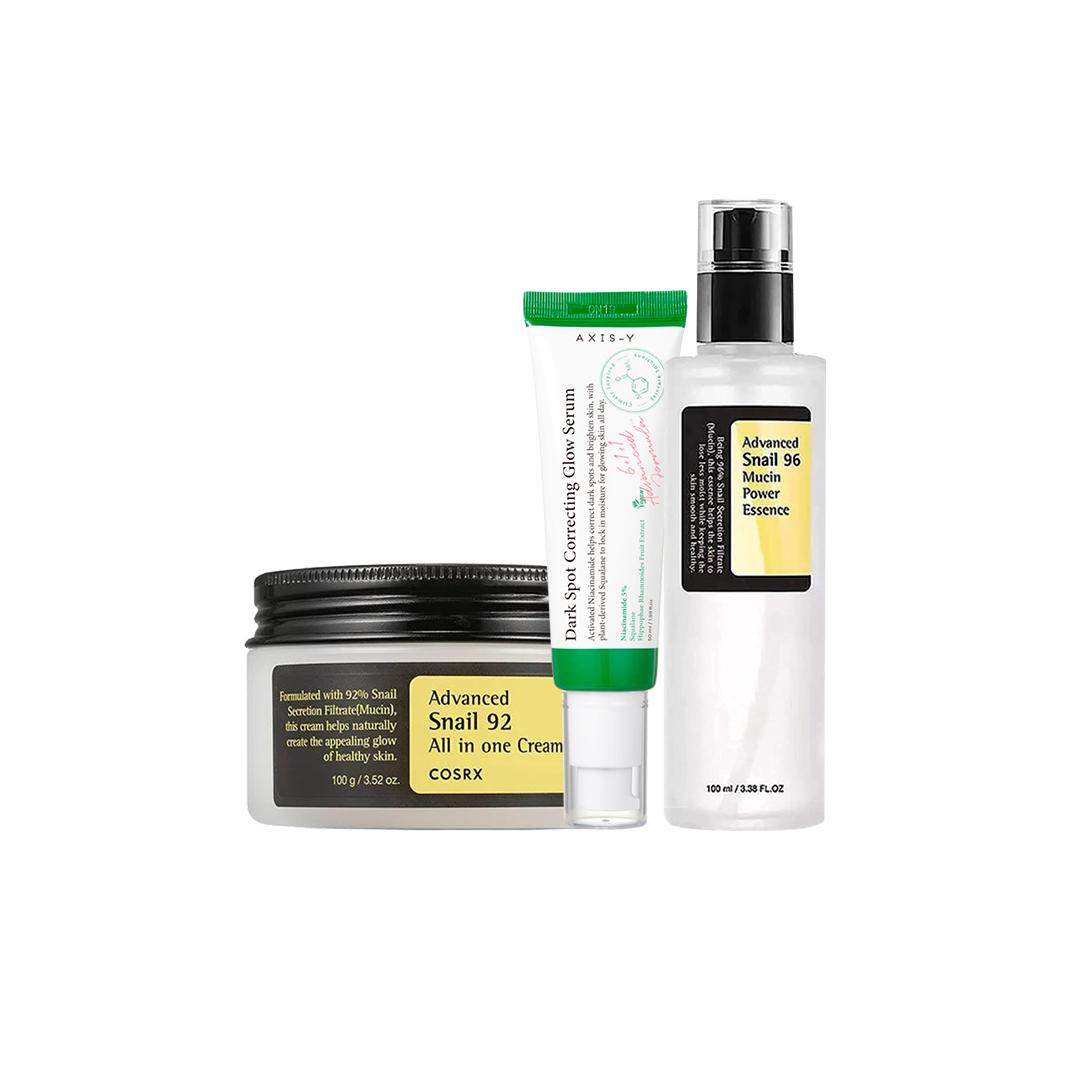
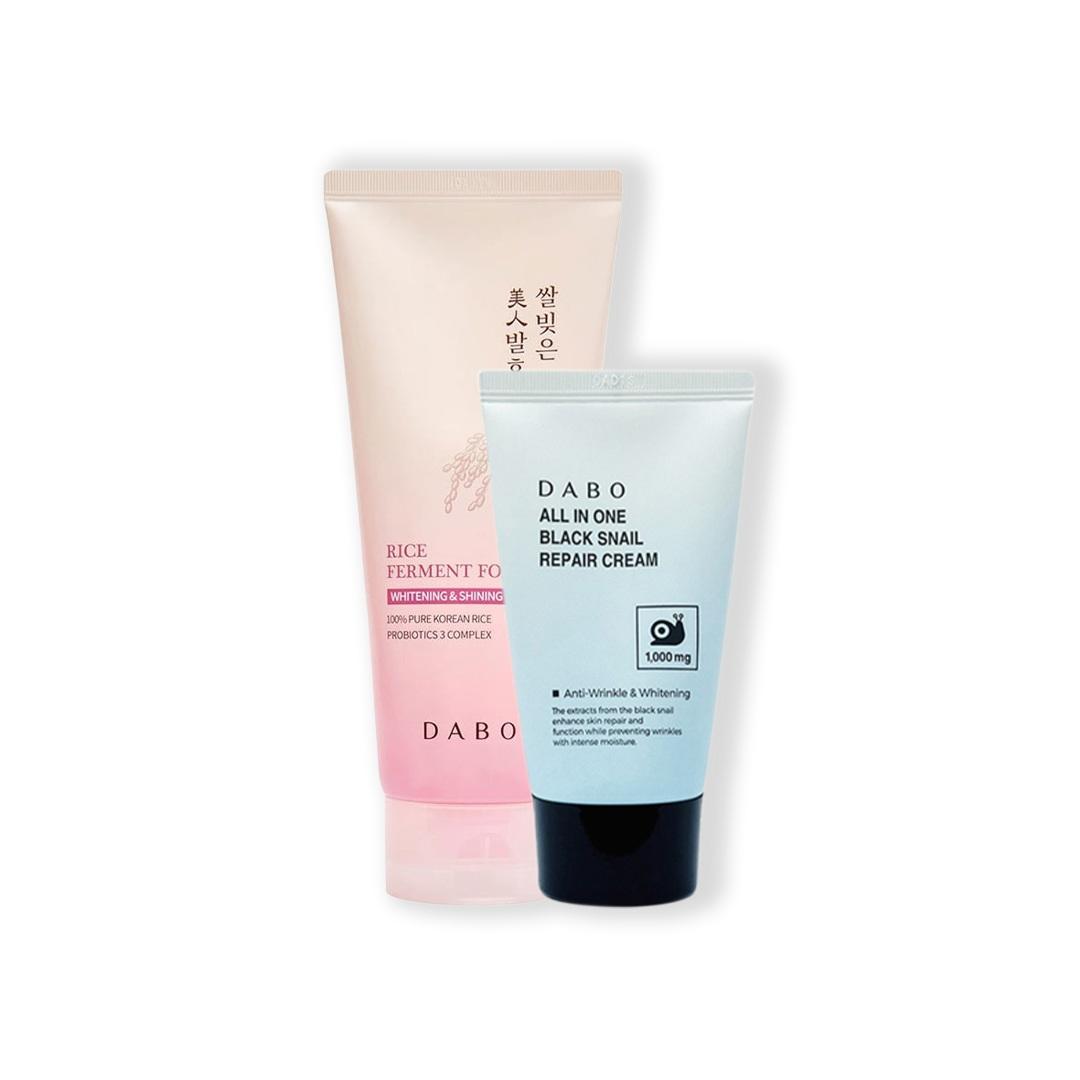
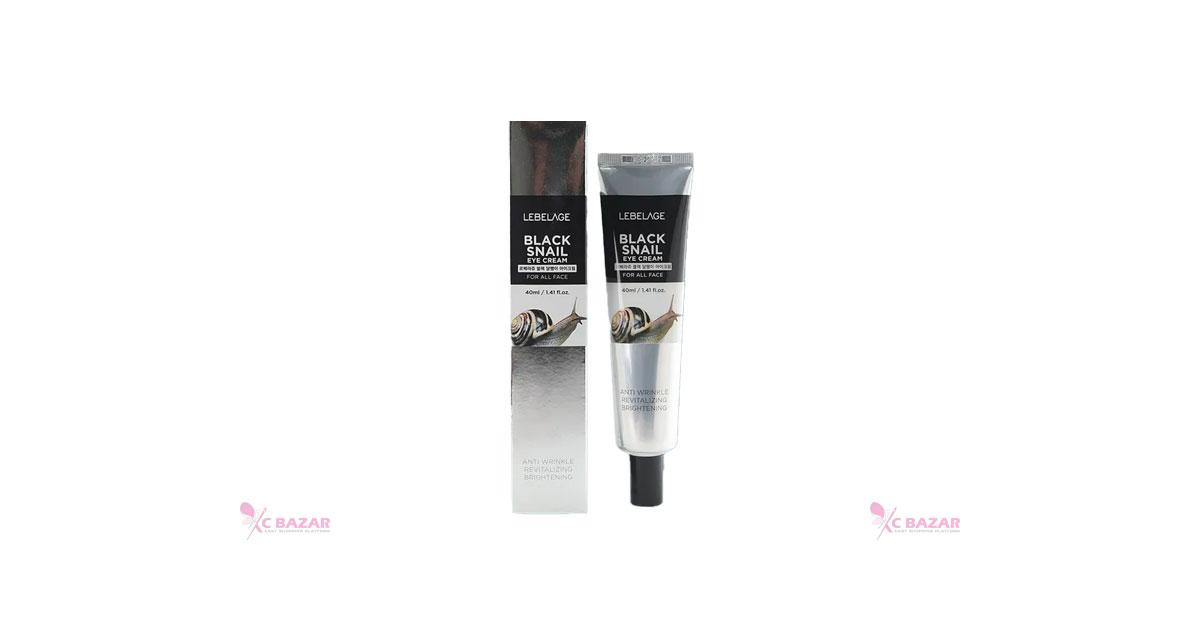
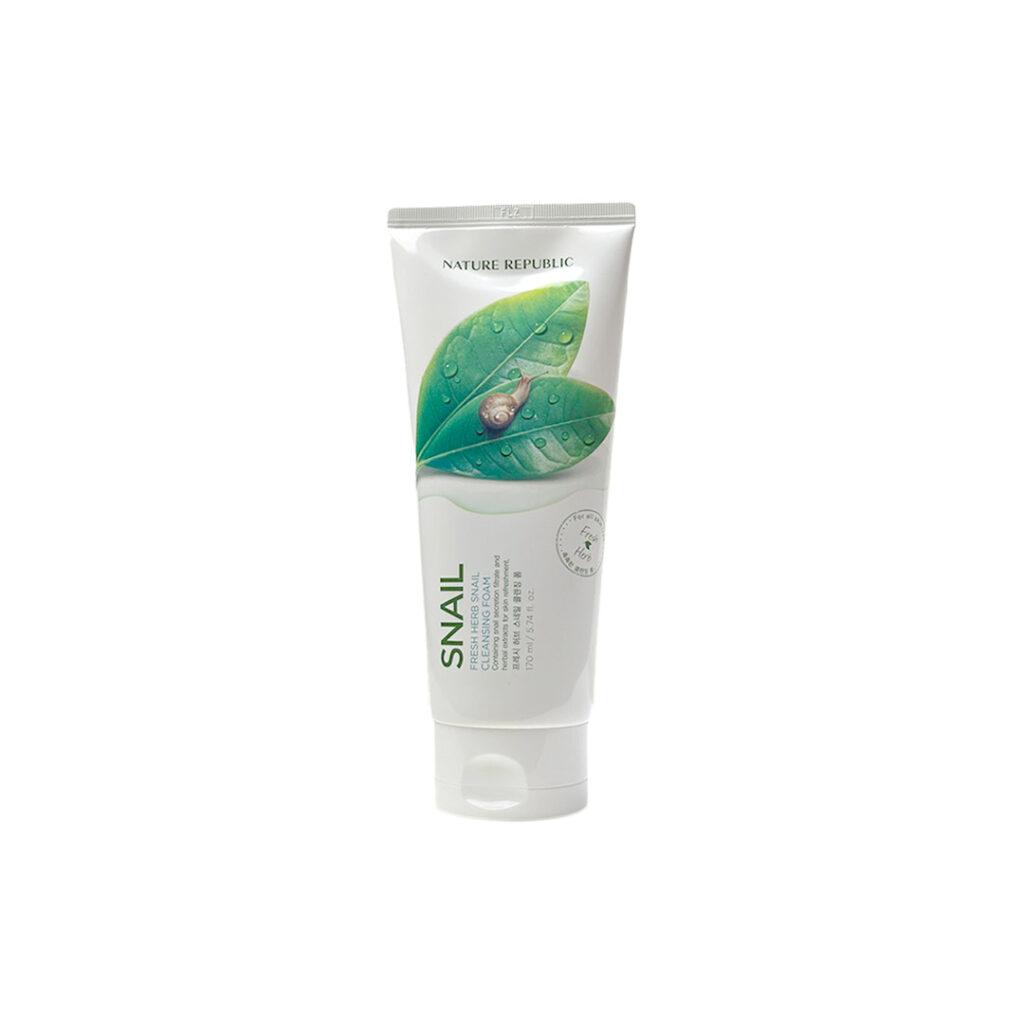
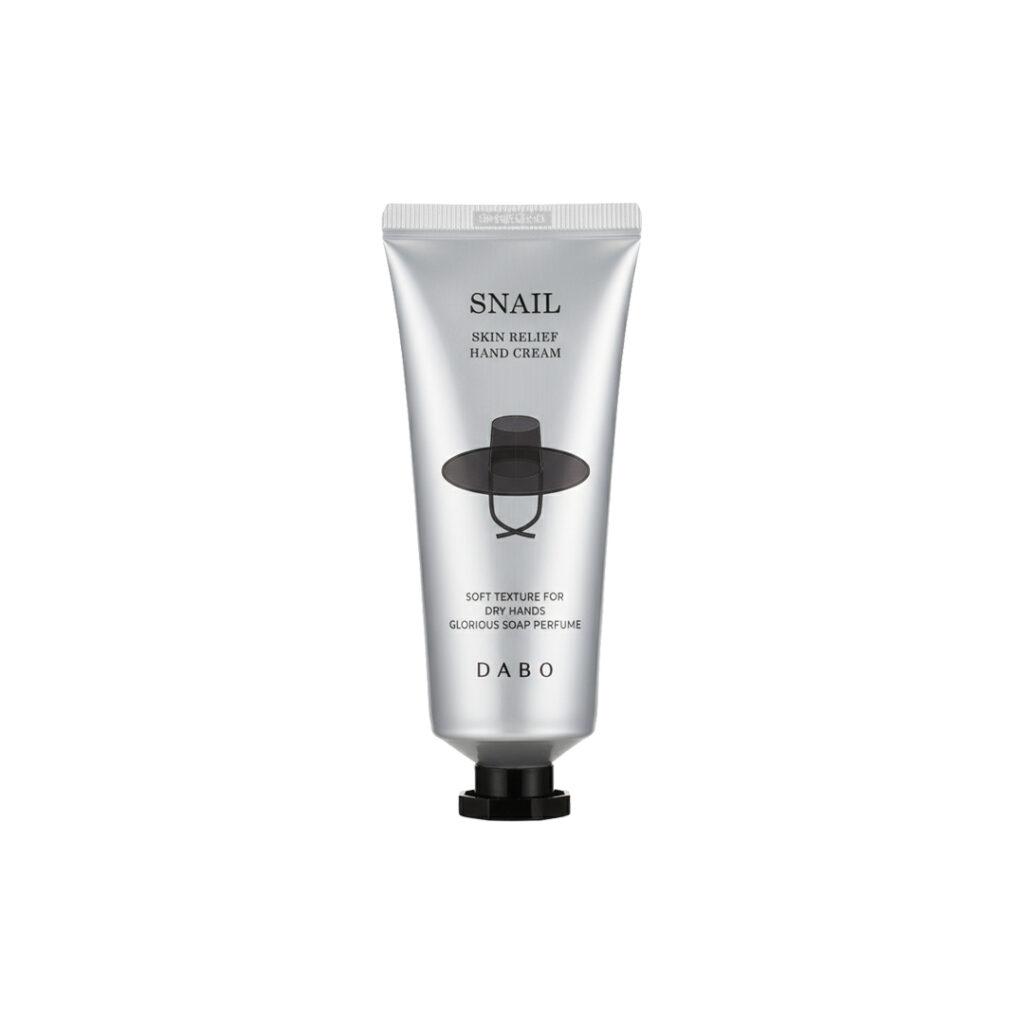
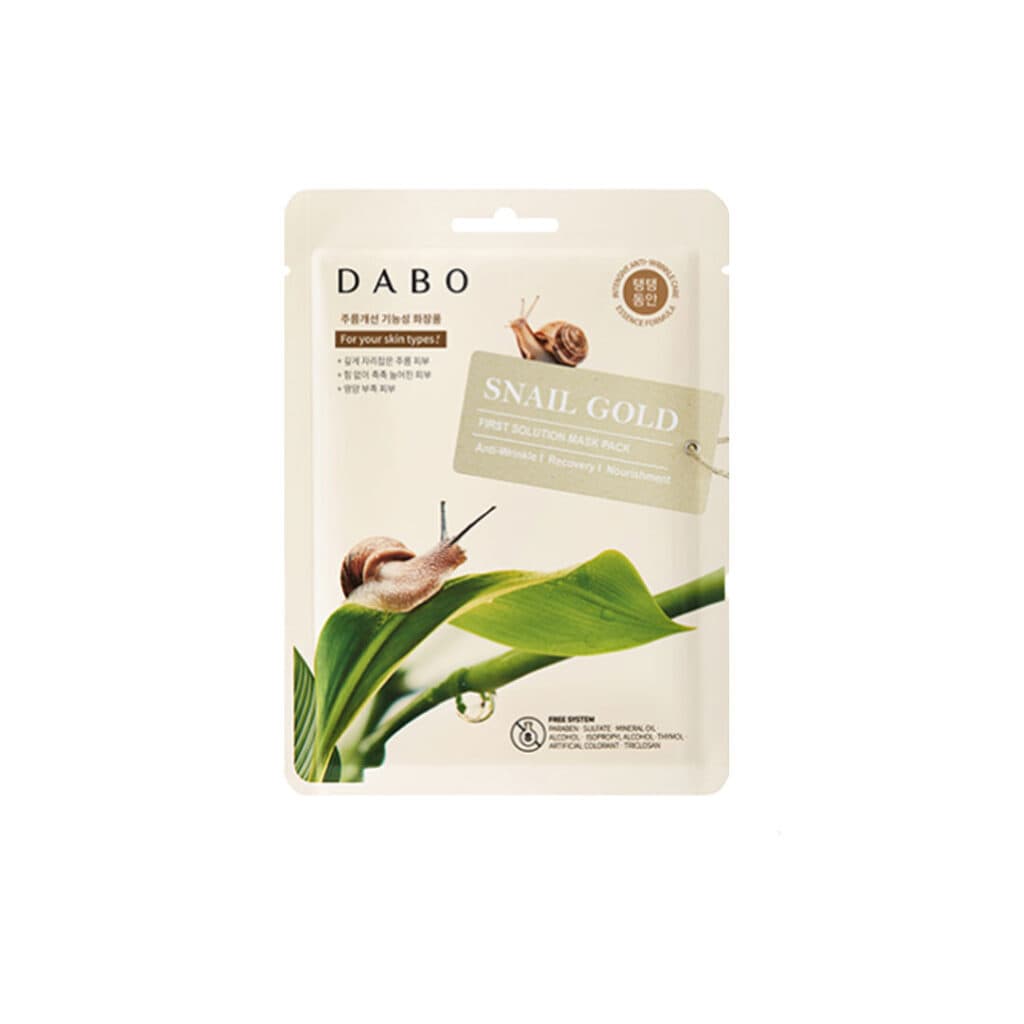
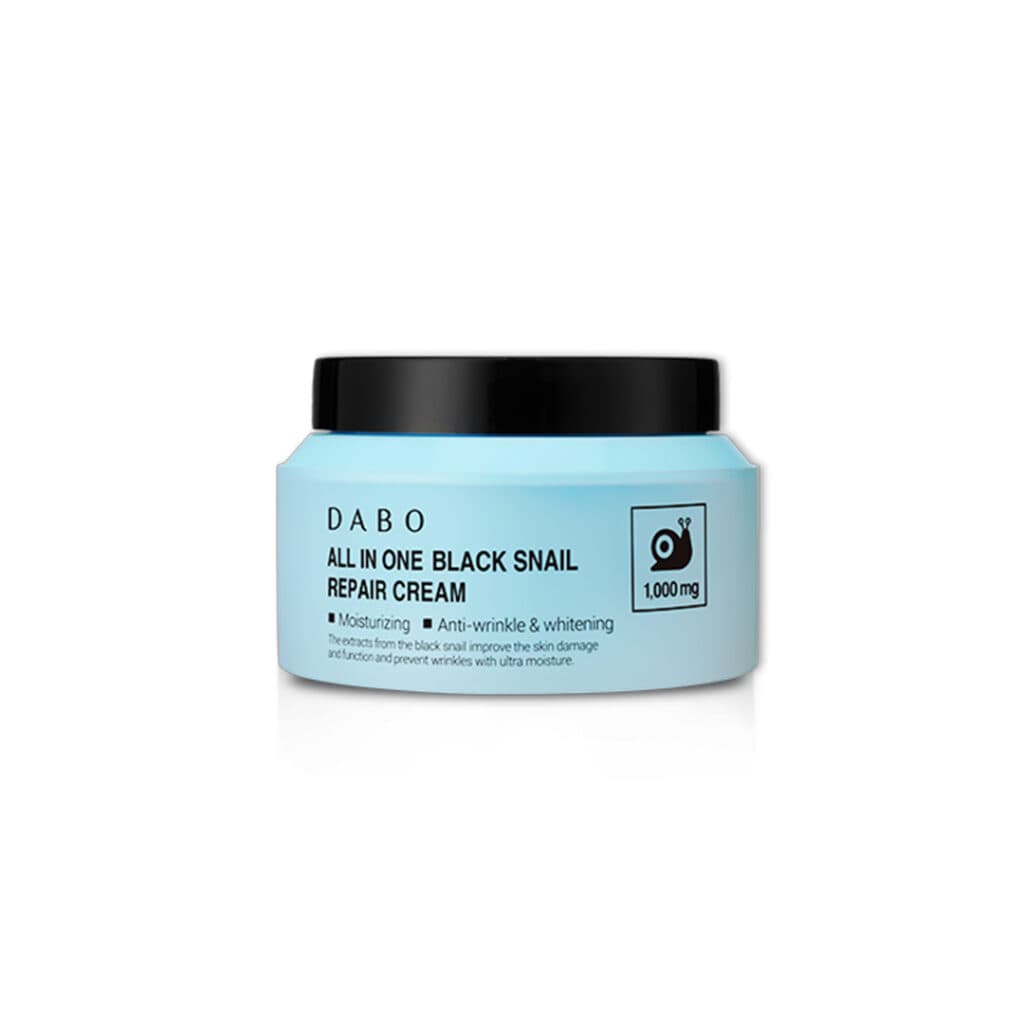
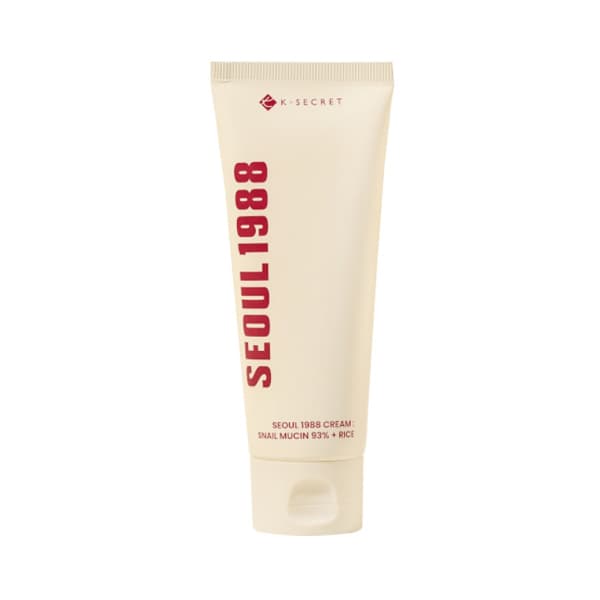
Snail Mucin is snail secretion filtrate that helps Bangladeshi shoppers build routines for hydration, bounce, barrier comfort, and post-blemish recovery routines. In real life, skincare here has to deal with more than an ingredient trend. Heat, monsoon humidity, sweat, dust, strong UV exposure, hard water in some areas, and long hours between outdoor commuting and air-conditioning can all change how skin behaves. Many people also have brown or wheatish skin tones where a small blemish can leave a visible mark for weeks, so comfort and consistency matter as much as strength. Snail Mucin appears in essences, creams, sheet masks, gels, and repair serums, and the best choice depends on skin type, texture preference, and what else is already in the routine. It is not a shortcut, bleaching treatment, or replacement for sunscreen and medical advice when a concern is severe. Its value is practical: use the right format, introduce it steadily, protect the barrier, and choose authentic products that feel wearable in Bangladesh weather. Emart shoppers should judge snail mucin by the full formula, not only the front-label claim.
Benefits
Snail Mucin is useful because it supports hydration, bounce, barrier comfort, and post-blemish recovery routines without needing the routine to become unnecessarily complicated. For shoppers in Bangladesh, the benefit has to be understood through daily conditions. A product may look perfect online but feel sticky during Dhaka summer, too rich under sunscreen, or too strong when the skin is already tight from cleansing.
The right snail mucin formula can help with dehydrated skin, rough patches, dullness, and marks that look worse when the barrier is stressed while keeping the routine easier to repeat. This is especially important for acne-prone and melanin-rich skin, where irritation can make post-blemish marks look deeper and last longer. Snail Mucin should not be treated as a miracle ingredient.
It works best when the basics are already in place: gentle cleansing, suitable moisturiser, and sunscreen in the morning. People who chase fast results often use too many actives together, then blame one ingredient when the skin becomes rough or reactive. A better approach is to use snail mucin as one focused support step.
When the texture fits local humidity and the formula matches your skin type, the benefit is more realistic: skin that looks more comfortable, more balanced, and easier to manage over several weeks.
How it works
Snail Mucin works in skincare by the role it plays inside a formula. In simple terms, it acts as a cushiony hydrating film with humectant and skin-conditioning benefits that make the surface look smoother. The exact feel depends on concentration, base texture, supporting ingredients, fragrance level, and whether the product is used with enough moisturiser and sunscreen.
This matters in Bangladesh because the skin can be oily on the surface but dehydrated underneath. Sweat and sebum may make the face look shiny, while harsh cleansers, air-conditioning, and sun exposure can leave the barrier feeling tight. Snail Mucin usually performs better when it is not forced to carry the whole routine alone.
It often works well with hyaluronic acid, niacinamide, peptides, panthenol, and ceramides, depending on the product type. The same ingredient can feel very different in a watery toner, a gel serum, a rich cream, or a rinse-off cleanser. Stronger is not automatically better, especially for brown skin tones where irritation may turn into visible dark marks.
Think of snail mucin as a tool with a specific job. If the product feels comfortable, layers well, and does not create burning or peeling, steady use is more meaningful than changing products every few days.
Who should use it
Snail Mucin may suit dehydrated, combination, dry, and acne-prone skin that wants comfort without a heavy oil layer. Oily skin usually needs breathable textures that do not trap sweat or make sunscreen slide by midday. Combination skin may need a lighter layer on the T-zone and more moisturiser on the cheeks.
Dry skin should look for snail mucin in a formula that also supports moisture, because many concerns become worse when the barrier is tight. Sensitive skin users should be cautious with any product that combines several strong ingredients in one bottle, even if Snail Mucin itself has a gentle reputation. Acne-prone shoppers should also look at the full routine.
If breakouts are being handled with harsh face wash, scrubs, frequent masks, or too many acids, adding one more active may not solve the problem. Snail Mucin is best used when the skin has enough basic comfort to tolerate it. If the face is swollen, painful, infected, cracked, or reacting badly to many products, a dermatologist is safer than repeated product experiments.
For everyday cosmetic goals, start with one product, use it consistently, and watch the skin for two to four weeks before adding another similar step.
How to use it in a routine
Use snail mucin according to the product format. A toner or essence usually goes after cleansing. A serum or ampoule usually goes before moisturiser.
A cream or lotion can be the moisturiser step. A cleanser or mask should be used according to the label and rinsed properly. In the morning, keep the routine practical: cleanse or rinse, apply the snail mucin product if it belongs in the morning, moisturise if needed, and finish with broad-spectrum sunscreen.
Sunscreen matters in Bangladesh because UV exposure can make dark spots, dullness, and uneven tone harder to improve. At night, cleanse well to remove sunscreen, sweat, dust, makeup, and pollution, then apply the treatment step before moisturiser unless the product directions say otherwise. Avoid using it as the only treatment for active acne, fungal-looking bumps, or severe irritation.
People with dust mite or snail-related allergy concerns should patch test carefully. If products pill under sunscreen, use less product, wait a short time between layers, or choose a thinner texture. During monsoon, lighter gels and essences may feel better.
During winter or long air-conditioned office days, the same skin may need more moisturiser. Comfort should guide frequency as much as ambition.
Products at Emart
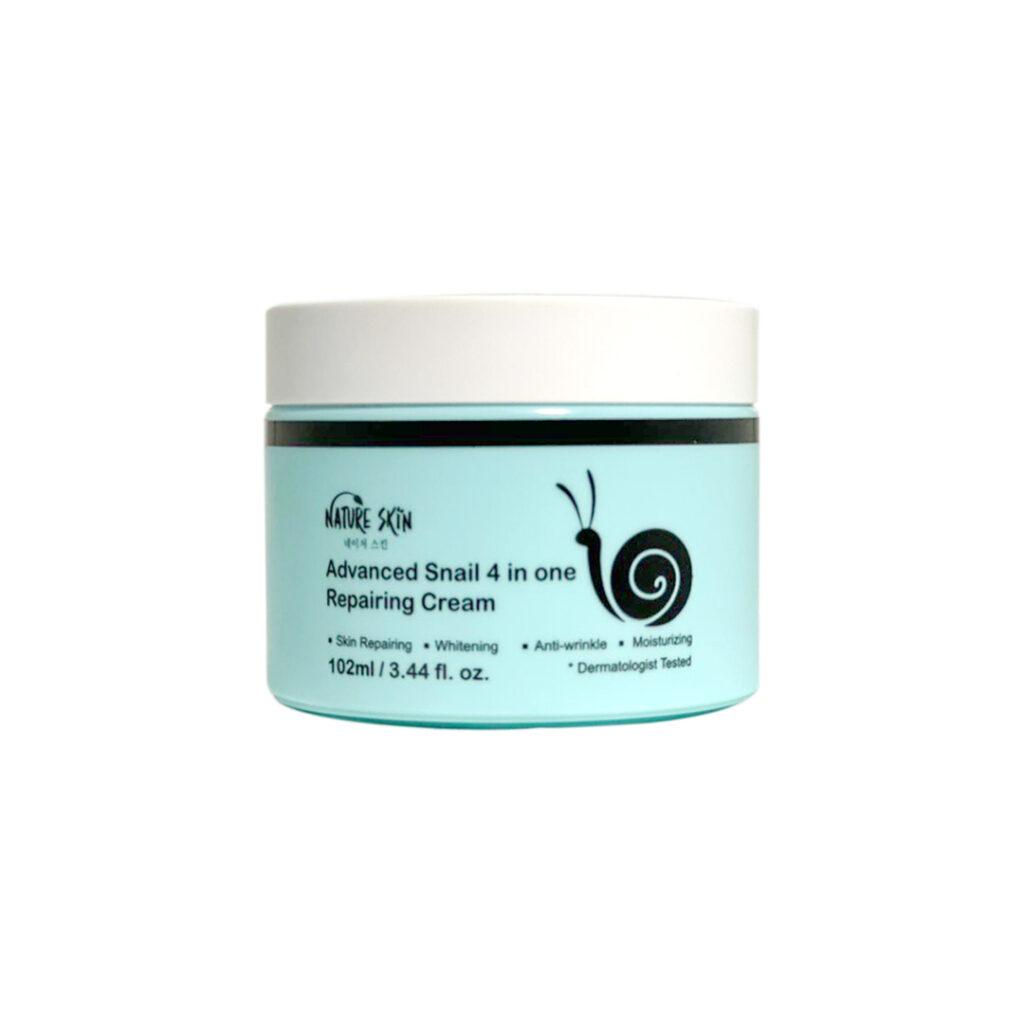
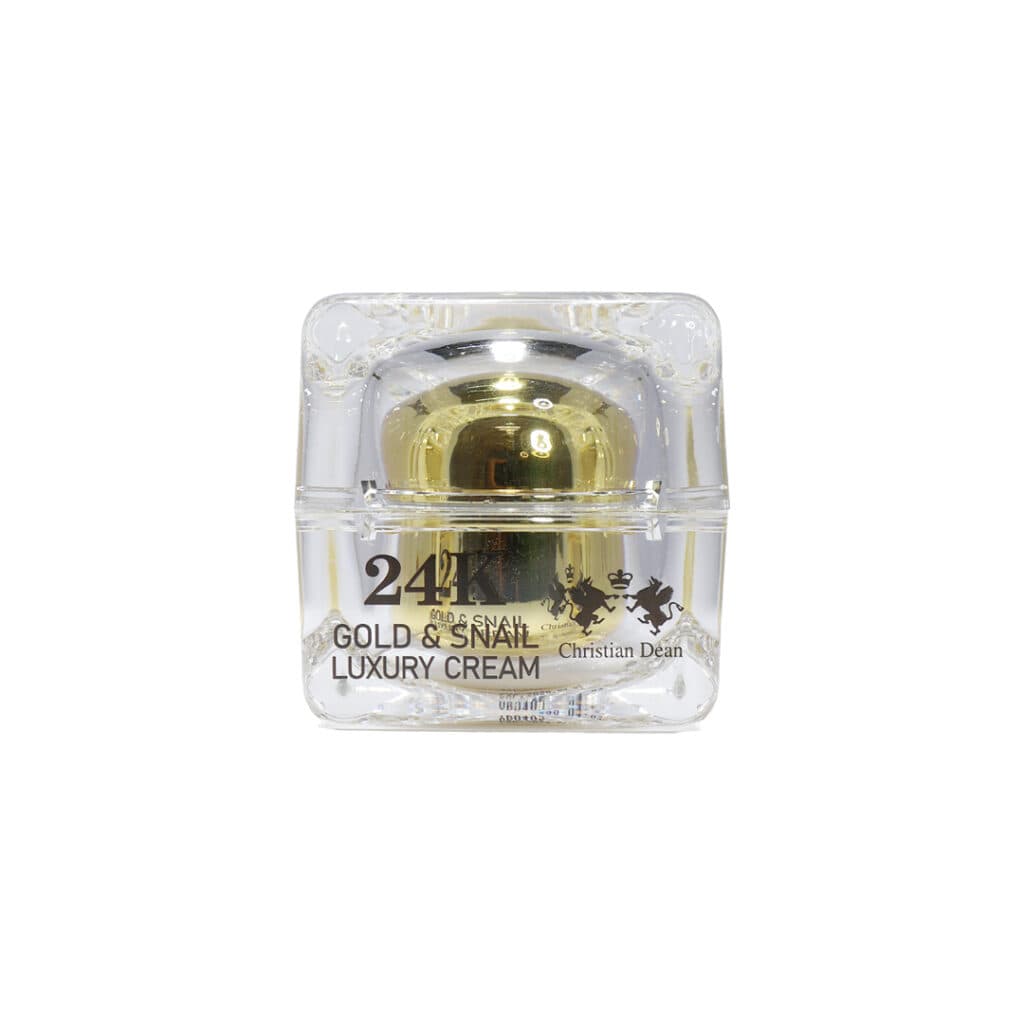
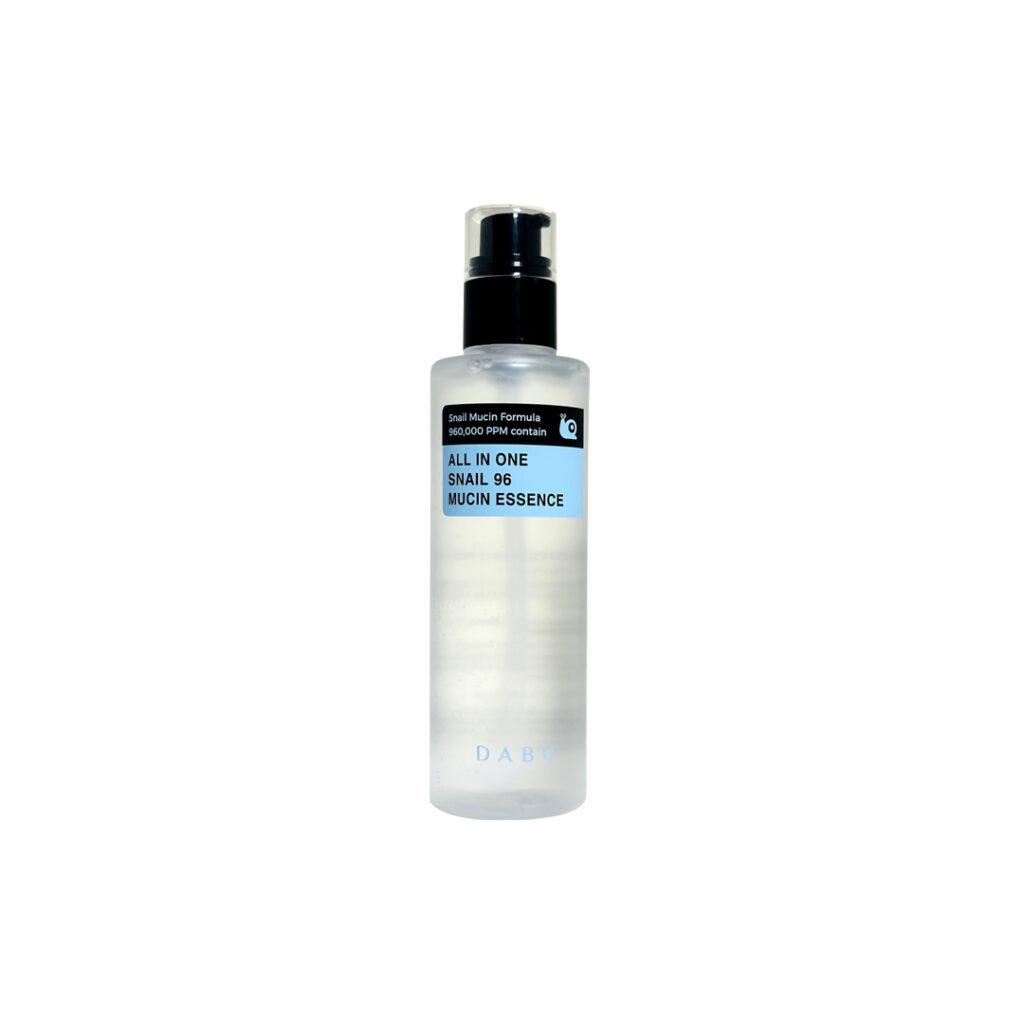
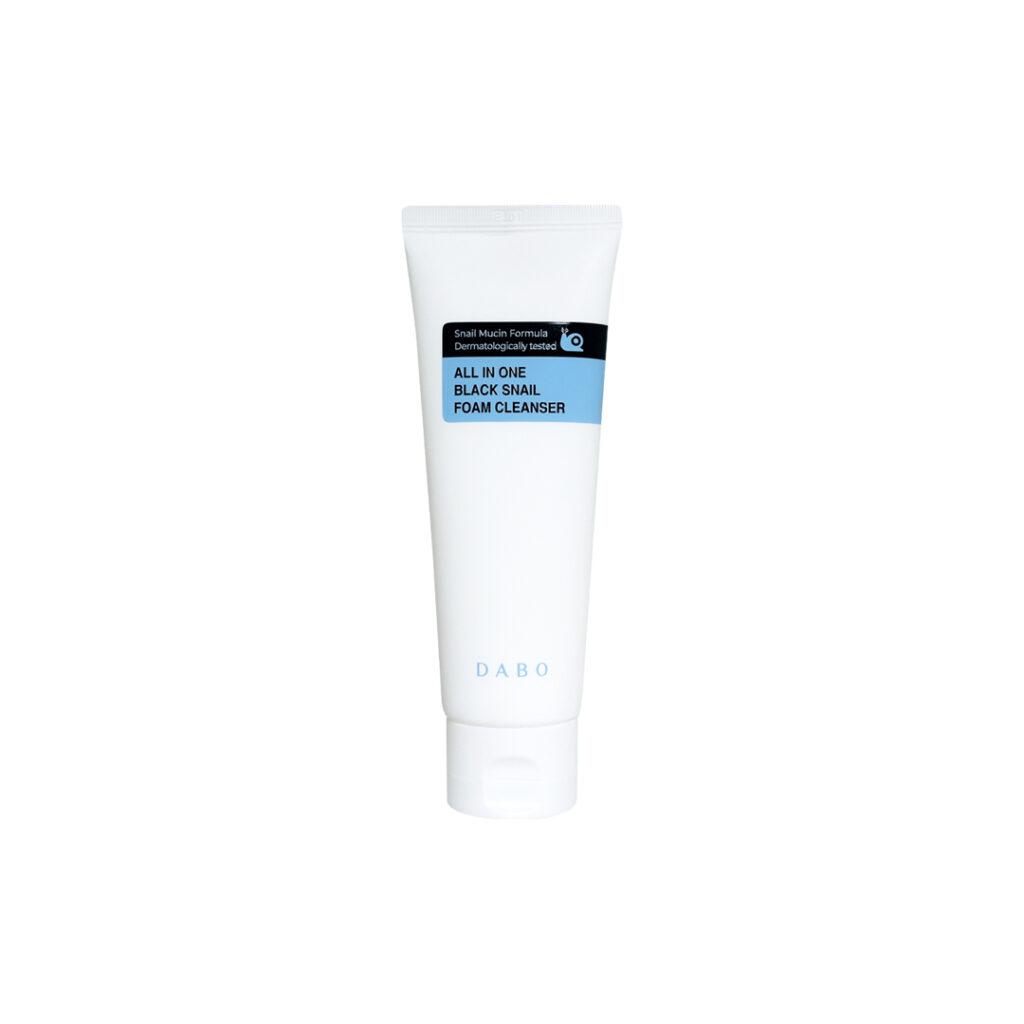
When shopping for snail mucin at Emart, compare the complete formula rather than buying only because the ingredient name is trending. The best option is the one that matches your skin type, climate, budget, and tolerance. For oily or acne-prone skin, look for stretchy essences, gel creams, and lightweight repair creams that can sit under sunscreen without greasiness.
For dry or sensitive skin, check whether the formula also includes supportive ingredients such as hyaluronic acid, niacinamide, peptides, panthenol, and ceramides. Authentic import matters because ingredient-led skincare depends on stable formulas, clear labels, and reliable storage. Emart shoppers should also avoid buying several products with the same role at once.
If you already own a snail mucin serum, you may not need a toner, cream, and mask built around the same ingredient unless each has a different purpose. choose an essence if you want light hydration, or a cream if your skin needs a more sealed finish. Use one new product long enough to judge comfort before adding another.
This is especially useful for Bangladesh shoppers managing acne marks, oiliness, sunscreen texture, and humidity together. A simple routine with one well-chosen product often performs better than a crowded shelf of overlapping actives. A helpful shopping check is to compare the product role with what you already own.
If your cleanser is strong, choose a calmer snail mucin step instead of another active. If your sunscreen feels heavy, choose a thinner texture so morning use stays realistic. If you are treating dark spots, remember that irritation can make marks look deeper on brown skin, so comfort is part of brightening support.
Check product directions, patch test when unsure, and keep photos or notes for two weeks. This makes it easier to see whether the change came from snail mucin, the texture, or another product in the routine.
Frequently Asked Questions
Can I use Snail Mucin in Bangladesh summer?+
Yes, but choose the texture carefully. Humidity makes heavy layers feel uncomfortable, so oily and combination skin usually prefer lighter gels, watery serums, or breathable lotions. If the product feels sticky under sunscreen, use less or switch to a thinner format.
Is Snail Mucin good for dark spots or acne marks?+
Snail Mucin can support routines for dehydrated skin, rough patches, dullness, and marks that look worse when the barrier is stressed, but it should not replace sunscreen. On brown and wheatish skin tones, UV exposure and irritation can keep marks looking darker. Use it as one part of a consistent routine, not as a bleaching shortcut.
Can sensitive skin use Snail Mucin?+
Sensitive skin may use it if the formula is suitable, but patch testing is sensible. Avoid products that combine many strong actives, heavy fragrance, or harsh alcohol bases. If the skin burns, peels, or feels hot, pause actives and rebuild comfort first.
Can I layer Snail Mucin with niacinamide or hyaluronic acid?+
Often yes. Niacinamide and hyaluronic acid are common support ingredients and may make the routine feel more balanced. Introduce one new product at a time so you can tell what is helping and what is irritating.
How long should I use Snail Mucin before judging results?+
Give most cosmetic skincare several weeks of steady use unless irritation appears. Texture and comfort can change sooner, but tone, marks, oil balance, and visible smoothness need consistency. Stop earlier if the product causes persistent burning, swelling, or unusual breakouts.