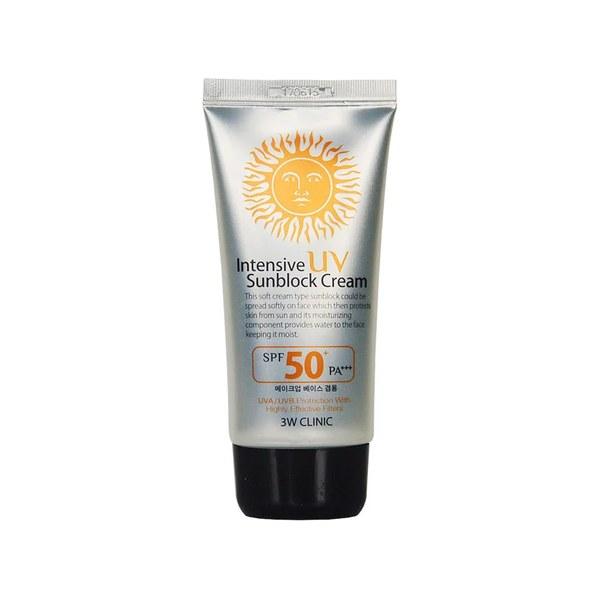
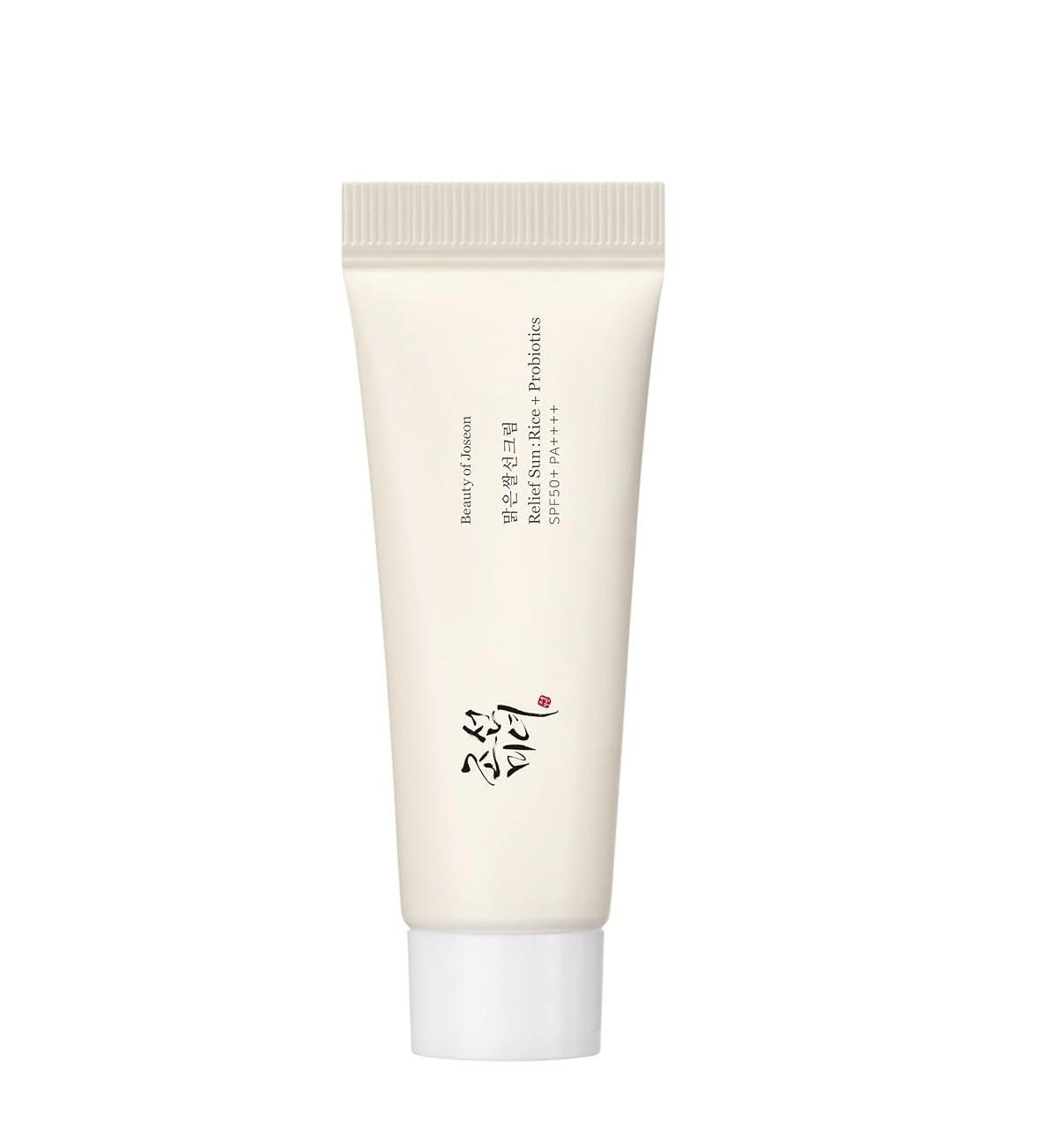
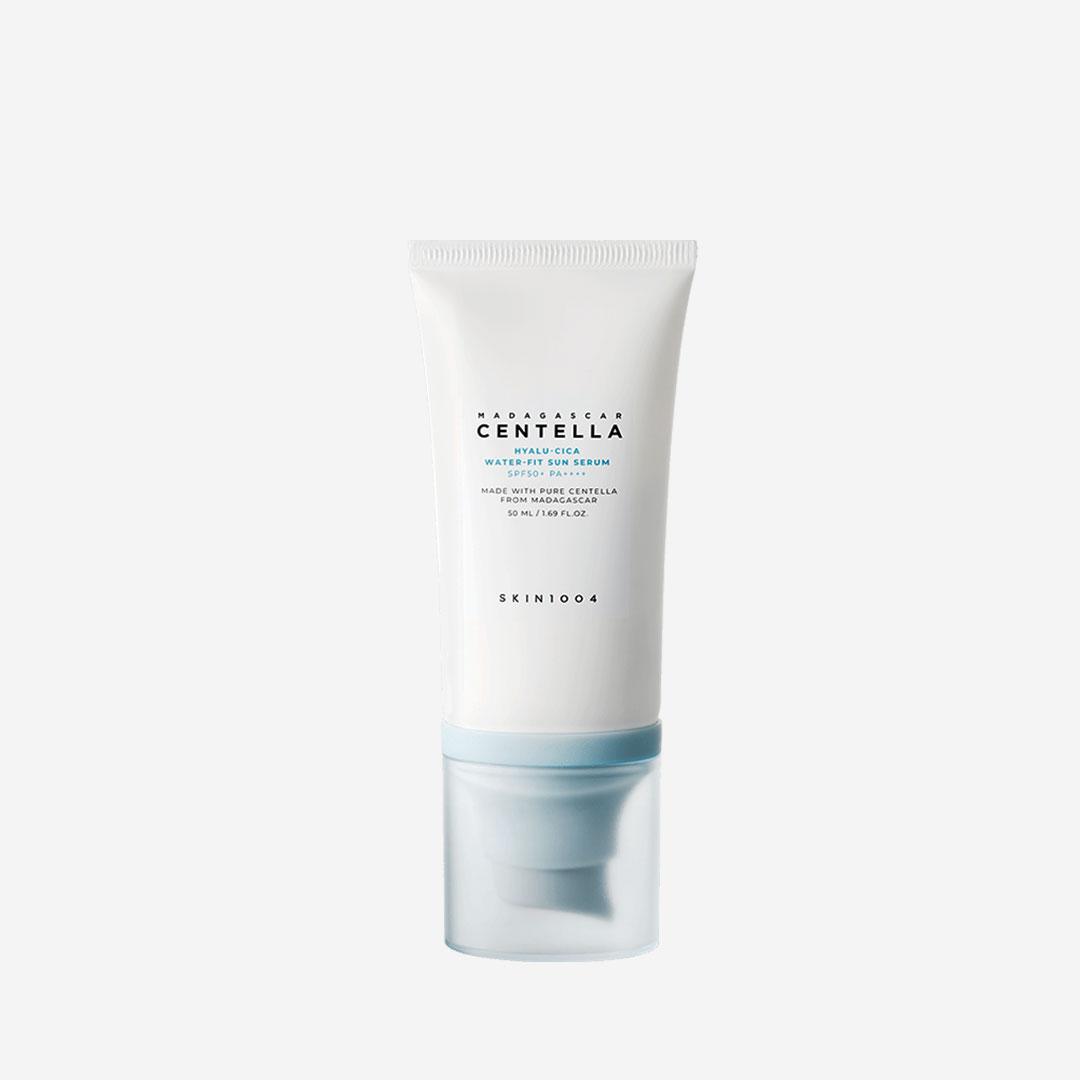
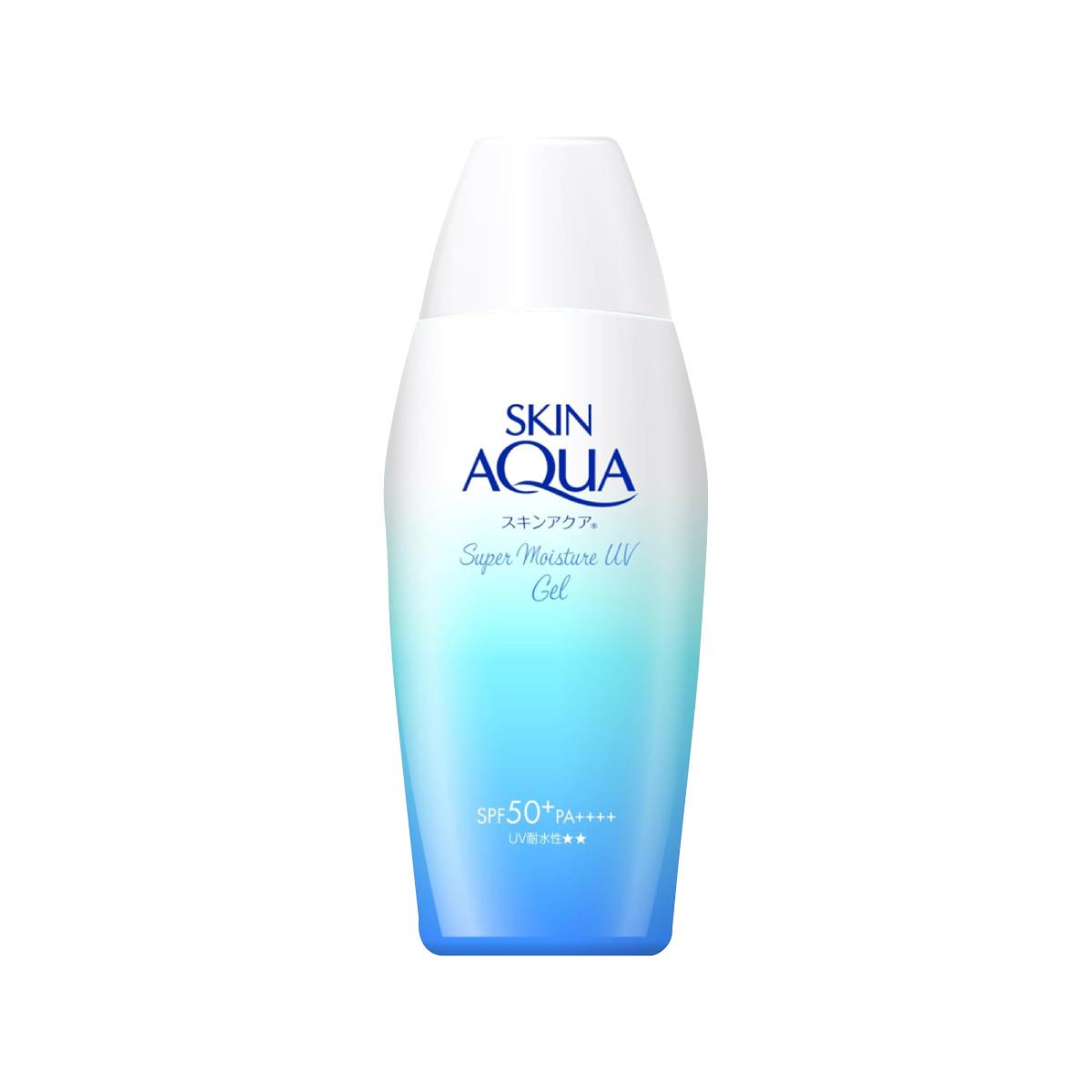
Sunscreen is the single most important step in any Bangladesh skincare routine — and the one shoppers most often get wrong. Dhaka sits under a high UV index for most of the year, and unprotected sun exposure is the leading cause of tanning, dark spots, uneven tone, premature lines, and worsening melasma. The good news is that a sunscreen you actually enjoy wearing every day beats an expensive one that sits in a drawer. This page explains how SPF and PA ratings work, how to pick a formula that suits oily, dry, or sensitive skin in humid weather, and how much to apply so you get the protection on the label. It focuses on practical, daily-wear advice for the local climate rather than perfect-lab conditions. Sunscreen is cosmetic sun protection, not a treatment for a diagnosed skin condition — if you have a painful or spreading skin problem, see a dermatologist. The goal here is simple: help you choose one sunscreen you will reapply without thinking twice.
Understanding SPF and PA Ratings
Two numbers matter on a sunscreen label. SPF (Sun Protection Factor) measures protection against UVB rays — the ones that cause burning and most skin-cancer risk. SPF 30 blocks about 97% of UVB and SPF 50 about 98%; for Bangladesh's strong sun, SPF 50 / 50+ is the sensible daily default.
The PA rating (PA+ to PA++++) measures protection against UVA rays, which penetrate deeper and drive tanning, dark spots, and visible ageing. For a country with year-round UVA exposure, look for PA+++ or PA++++. The phrase "broad spectrum" means the formula covers both UVA and UVB.
A high SPF with low PA is an incomplete choice for local conditions, because UVA is what worsens pigmentation and melasma — concerns that are very common on South Asian skin. When comparing products, read both numbers together rather than chasing the highest SPF alone.
Why Daily Sunscreen Matters in Bangladesh
Up to 80–90% of visible skin ageing is linked to UV exposure, and in Dhaka the UV index stays high even on hazy or cloudy days because UVA passes through clouds and glass. If you are using actives like Vitamin C, retinol, niacinamide, or exfoliating acids, sunscreen is what protects that investment — without it, these ingredients can leave skin more sun-sensitive and the results fade faster. Sunscreen is also the most effective step for anyone managing tanning, dark spots, or melasma: no brightening serum can keep up with daily unprotected exposure.
Commuters, bikers, and anyone near windows accumulate UV throughout the day, not just outdoors at noon. Treating sunscreen as the non-negotiable final morning step does more for long-term tone and texture than almost any other product in a routine.
Choosing the Right Sunscreen for Your Skin Type
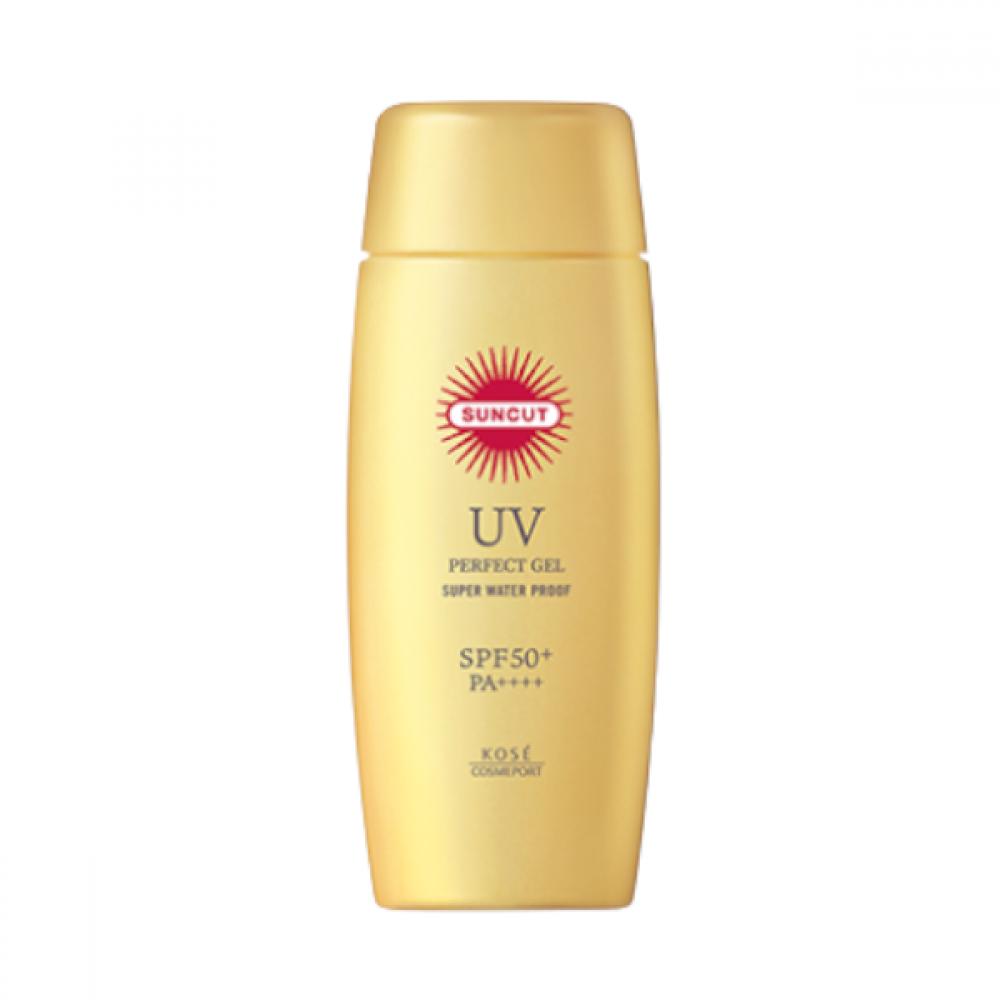
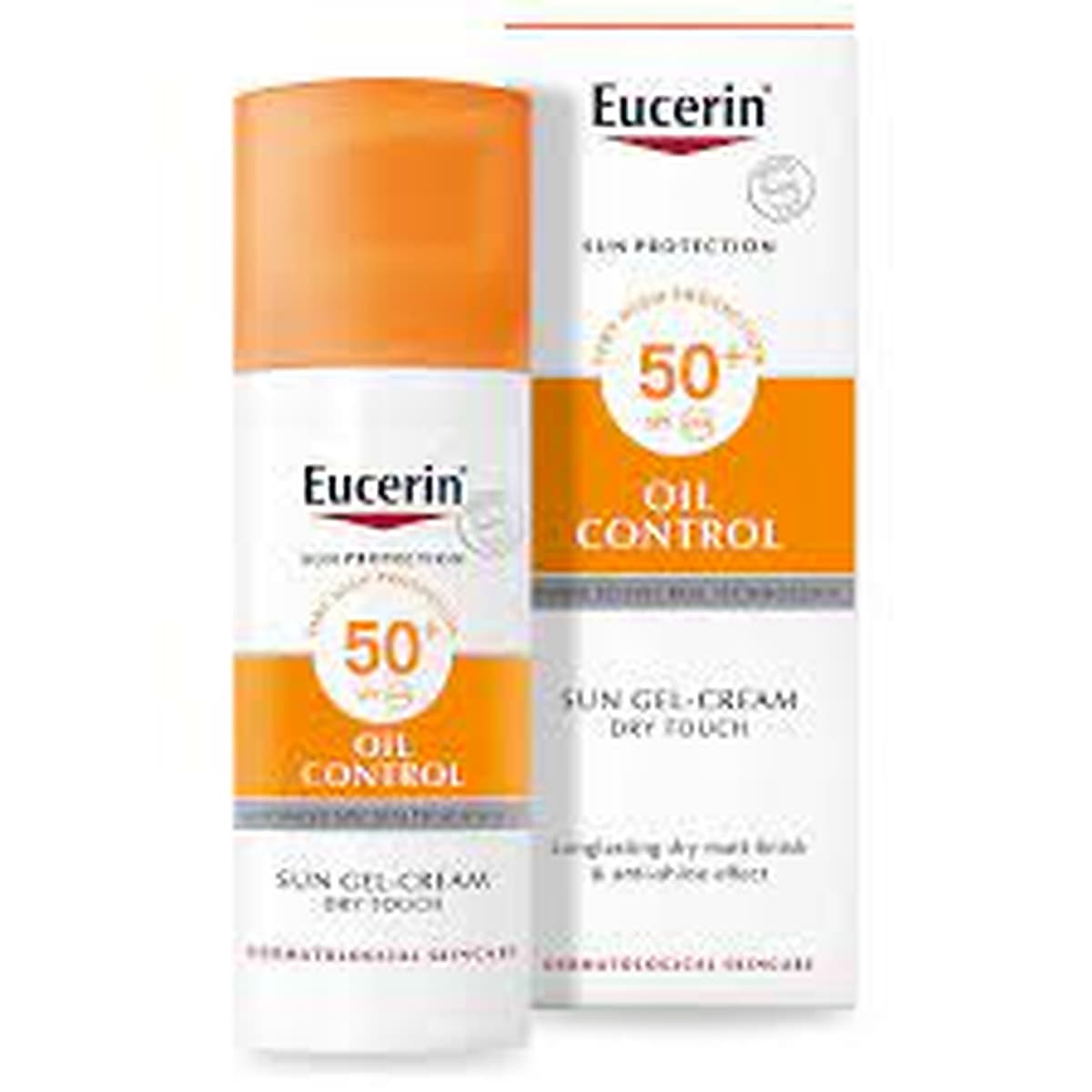
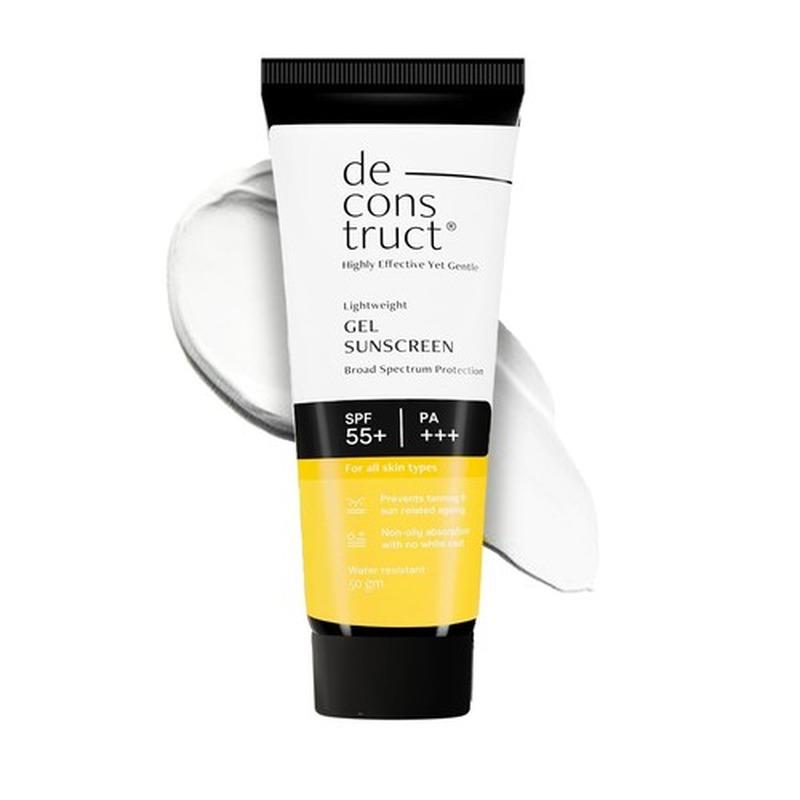
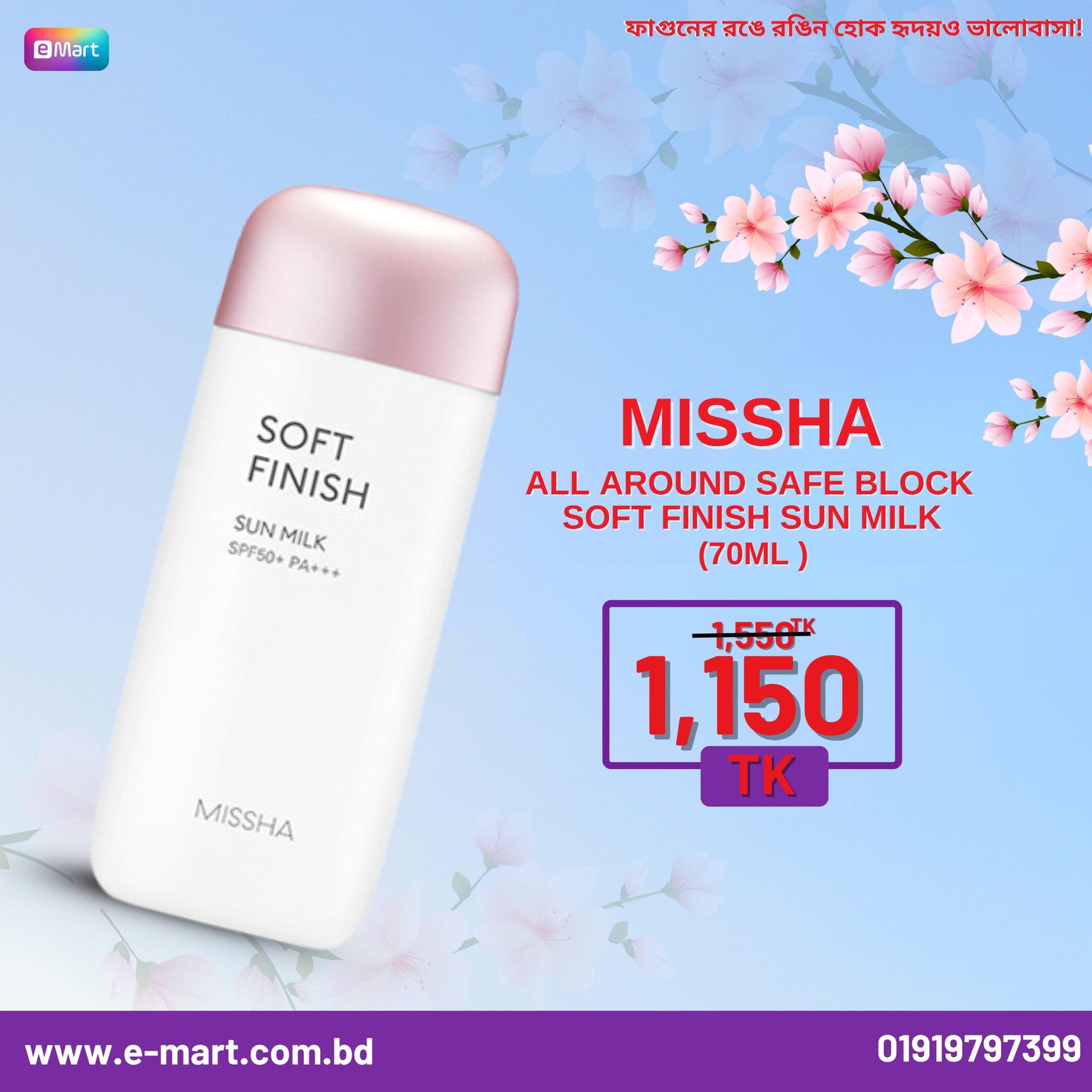
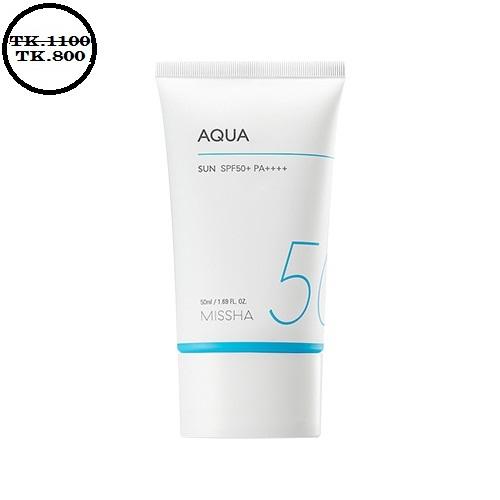
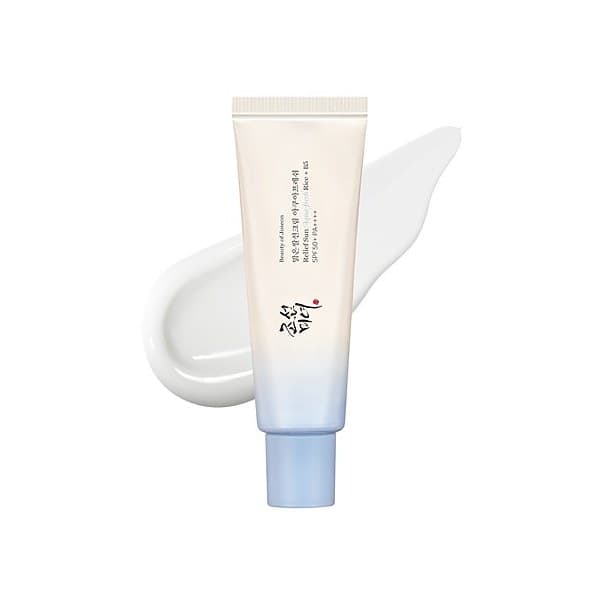
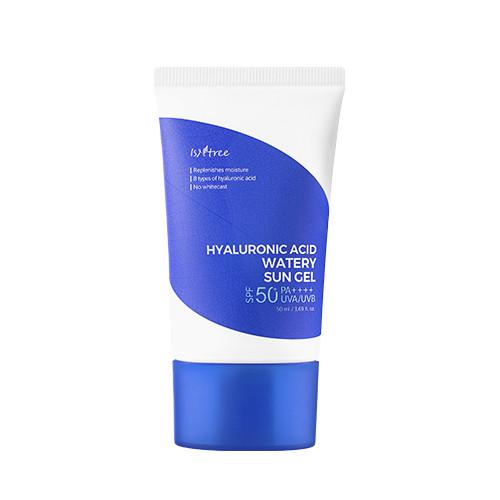
The best sunscreen is the texture you will happily reapply. For oily and acne-prone skin in humid weather, choose lightweight gel, fluid, or "watery" Korean-style sunscreens labelled oil-free or non-comedogenic; formulas with Niacinamide can also help with oil control and tone. For dry or sensitive skin, a hydrating cream sunscreen with Ceramides keeps the barrier comfortable.
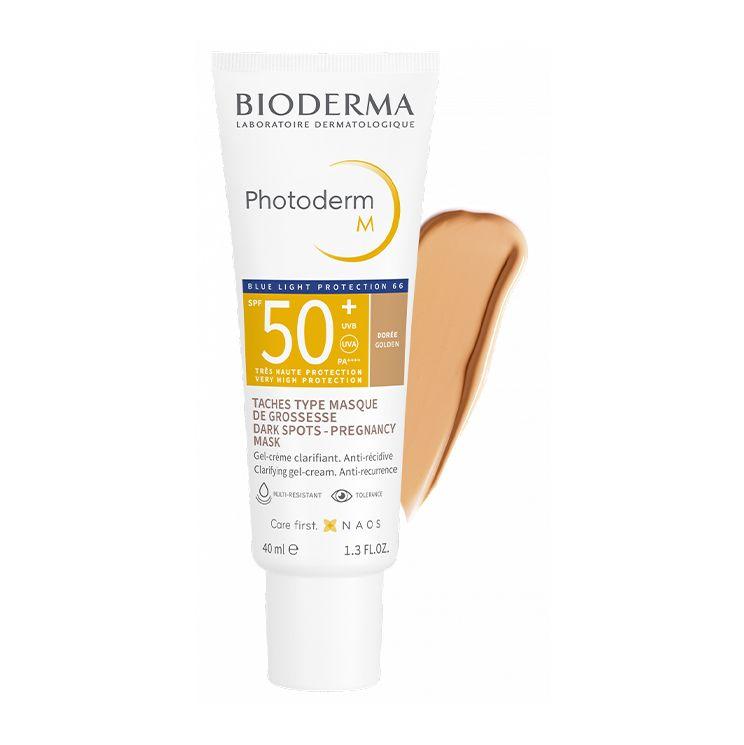
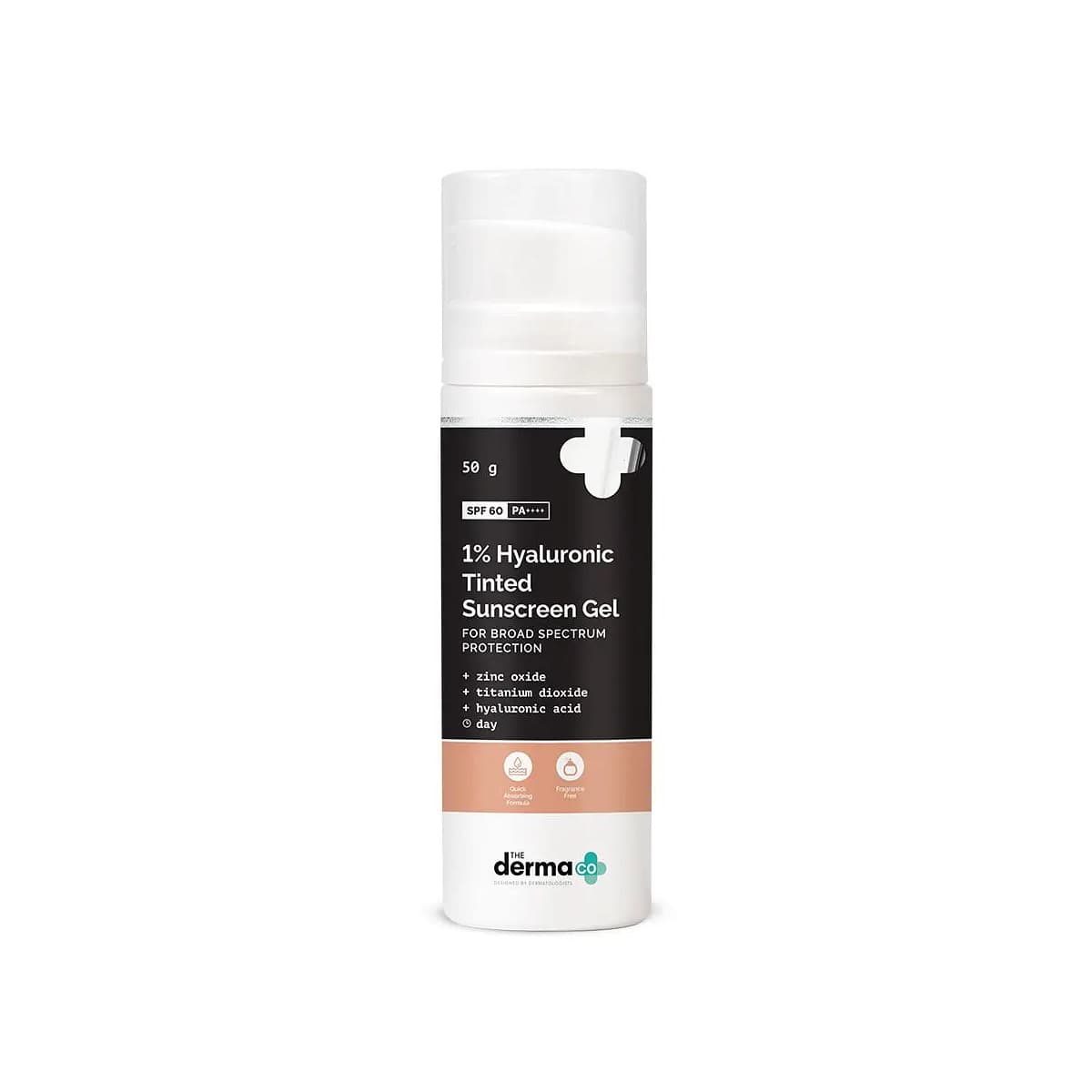
Chemical (organic) sunscreens tend to feel lighter and leave no white cast, which suits deeper South Asian skin tones; mineral (zinc/titanium) sunscreens are gentler for reactive skin but can leave a white or grey cast unless tinted. If pigmentation or melasma is your main concern, a tinted sunscreen adds visible-light protection and evens tone instantly. Try a small size first to check feel and cast before committing to a full bottle.
How to Apply and Reapply
Most people apply far too little sunscreen and get a fraction of the SPF on the label. For the face and neck, use about two finger-lengths of product (roughly a quarter-teaspoon) as your daily minimum. Apply it as the last step of your morning skincare, before makeup, and let it set for a couple of minutes.
Don't forget commonly missed spots: ears, hairline, sides of the neck, and the back of the hands. Reapply every 2–3 hours when you are outdoors, sweating, or commuting in the heat — a single morning application does not last a full Dhaka day. For reapplication over makeup, a sunscreen stick, cushion, or powder is far more practical than a cream.
If you are indoors and away from windows all day, a single morning application is usually enough, but step outside often and you should top up.
Sunscreen in Bangladesh's Climate
Humidity and heat decide whether you will actually wear your sunscreen, so texture matters as much as the numbers on the label. In Dhaka's summer, heavy or greasy formulas pill under sweat and makeup, while a light gel or fluid stays comfortable. During monsoon, sweat and pollution build up quickly — look for water-resistant formulas and cleanse properly at night to remove sunscreen, sweat, and grime.
A sticky sunscreen you skip on hot days protects nothing, so it is worth testing a few textures to find one that disappears into the skin. Store sunscreen out of direct heat, as high temperatures can degrade the filters over time. If a formula feels too heavy in May, save it for cooler months or evening errands rather than abandoning daily protection altogether.
Common Sunscreen Mistakes
The biggest mistakes are using too little product, skipping reapplication, and only wearing sunscreen on sunny days outdoors. Many shoppers also rely on the SPF in their makeup or moisturiser, which is almost never applied thickly enough to count. Others choose a high SPF but ignore the PA rating, leaving UVA-driven pigmentation unaddressed.
Skipping sunscreen on cloudy or indoor-near-window days is another common slip, since UVA is still present. Finally, abandoning a sunscreen because the first one felt greasy or left a white cast — rather than switching to a lighter or tinted formula — leaves skin unprotected for months. Sunscreen only works when it is worn consistently and generously, so the right product is the one that fits your skin type and daily routine well enough to never skip.
Frequently Asked Questions
Which SPF and PA rating is best for Bangladesh?+
For Dhaka's high year-round UV, choose a broad-spectrum sunscreen with SPF 50 or 50+ and PA+++ or PA++++. The SPF handles burning UVB, while the PA rating protects against UVA that causes tanning, dark spots, and ageing — both matter on South Asian skin.
What is the best sunscreen for oily skin in Bangladesh?+
Look for lightweight gel, fluid, or watery Korean-style sunscreens labelled oil-free or non-comedogenic. Formulas with niacinamide help control shine. Avoid heavy creams in humid weather — a light texture you'll reapply protects better than a rich one you skip.
How much sunscreen should I apply to my face?+
Use about two finger-lengths (roughly a quarter-teaspoon) for face and neck — most people apply far too little and get a fraction of the labelled SPF. Reapply every 2–3 hours when outdoors, sweating, or commuting in the heat.
Do I need sunscreen indoors or on cloudy days?+
Yes. UVA rays pass through clouds and windows, so daily sun exposure continues even indoors near glass or on hazy Dhaka days. If you sit away from windows all day a single morning application is usually enough, but reapply if you step outside often.
How do I avoid white cast with sunscreen?+
Choose a chemical (organic) or hybrid sunscreen, which tends to leave no cast and suits deeper skin tones, or use a tinted mineral sunscreen that blends with your skin. Trying a small size first lets you check the finish before buying a full bottle.