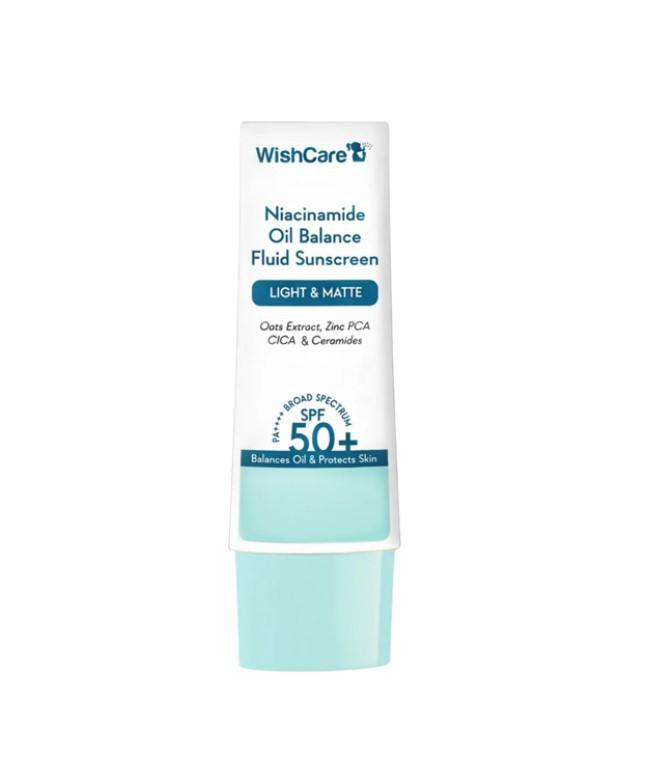
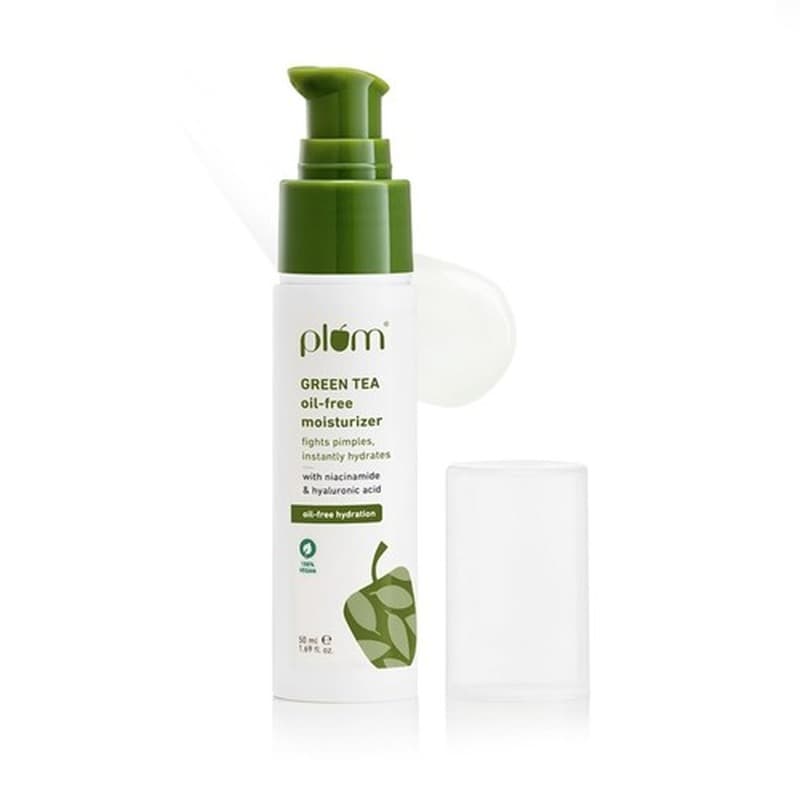
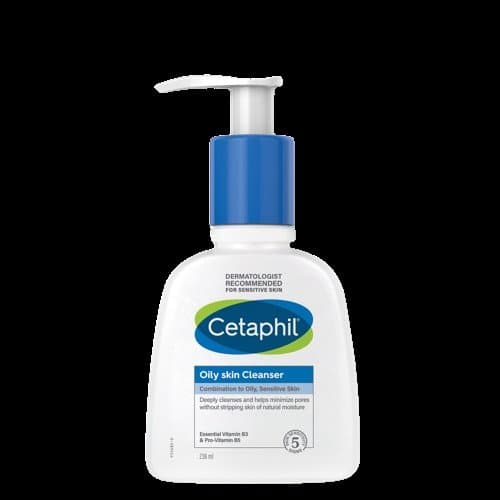
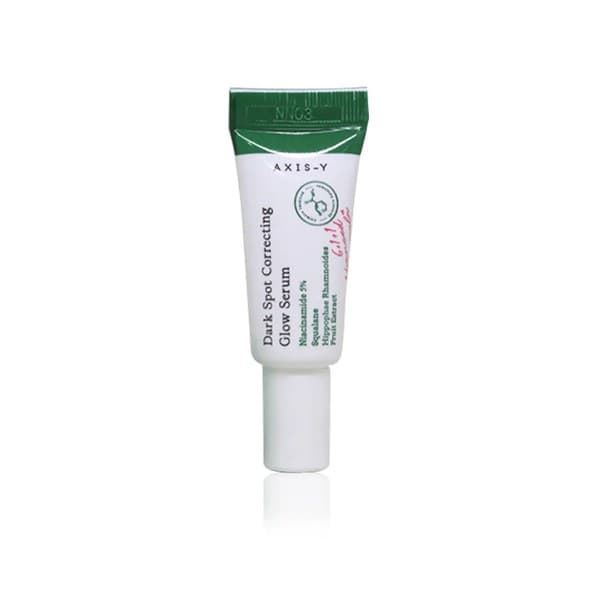
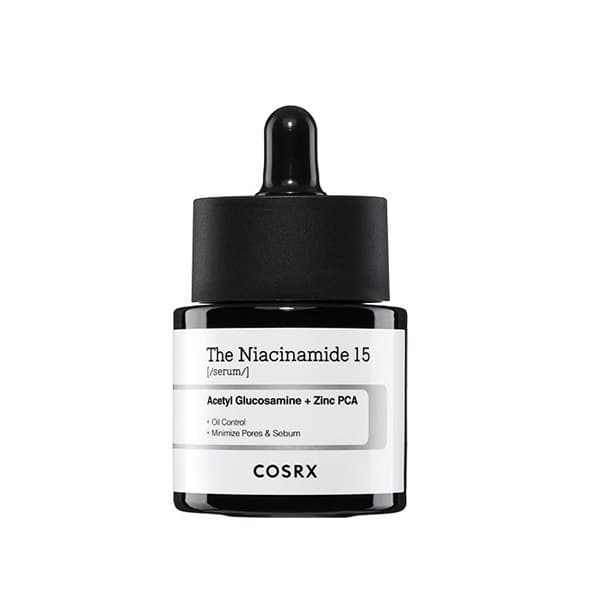
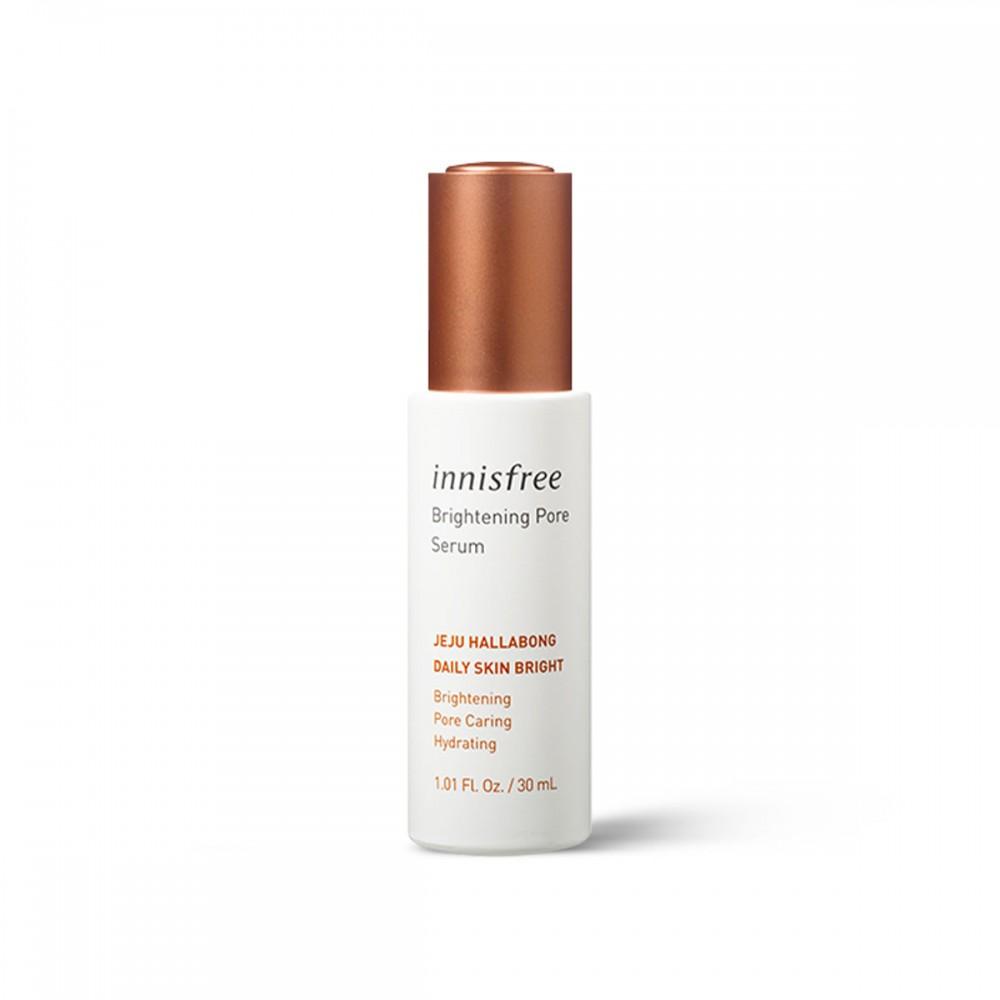
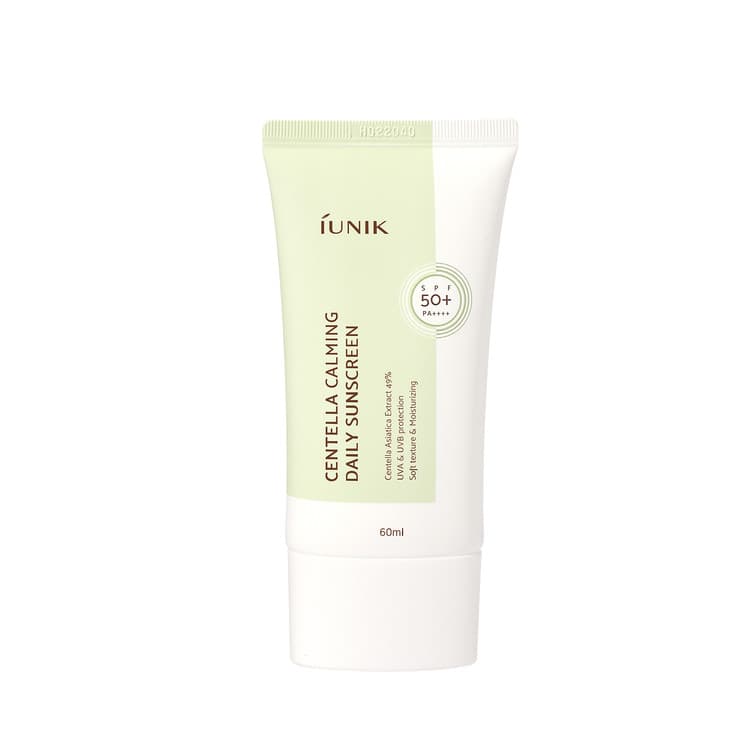
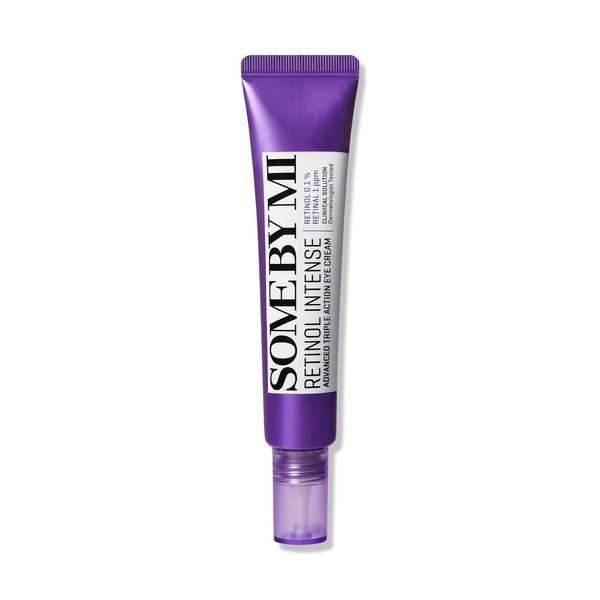
Niacinamide, also called vitamin B3, is one of the most useful everyday ingredients for Bangladeshi skincare because it supports several concerns without forcing the routine to become harsh. Many shoppers in Dhaka, Chittagong, Sylhet, and other humid cities deal with a familiar mix: oily T-zone, sweat, clogged-looking pores, post-acne marks, dullness, and skin that still feels tight after cleansing. Niacinamide fits that reality because it is usually comfortable in lightweight serums, toners, gels, and moisturisers, and it can support a calmer-looking barrier while helping the skin appear more even. It is especially relevant for brown and wheatish skin tones, where a small blemish can leave a visible dark mark for weeks. Niacinamide is not a bleaching ingredient and it is not a medical treatment for acne or melasma. Its value is steadier: it helps the routine feel balanced, supports oil-control goals, and works well beside sunscreen, moisturiser, and gentle cleansing. For Emart shoppers, the best choice is usually a formula that feels breathable in Bangladesh humidity and can be used consistently without stickiness or irritation.
Benefits
Niacinamide is popular because it answers several everyday skin goals at once. For oily and combination skin, it can help the face look less shiny through the day when used in a balanced formula. This matters in Bangladesh because heat, traffic, masks, helmets, and monsoon sweat can make sebum feel heavier by noon.
For acne-prone routines, niacinamide is useful because it supports a calmer-looking barrier and can help the skin look more even after blemishes fade. On brown and wheatish skin tones, post-inflammatory hyperpigmentation often looks more obvious than redness, so a routine that supports tone without over-exfoliating is valuable. Niacinamide also supports barrier comfort, which is important if your cleanser leaves the skin squeaky, if you use actives like salicylic acid or retinol, or if sunscreen feels difficult to wear daily.
It does not replace exfoliants, prescription acne care, or sunscreen, but it can make a routine feel more stable. Many people like it because it works in simple routines: cleanser, niacinamide serum or toner, moisturiser, and sunscreen in the morning. The benefit is not an overnight glow.
It is the gradual look of more balanced oil, smoother texture, fewer visible rough patches, and a routine that is easier to repeat in local weather.
How it works
Niacinamide works as a supportive ingredient rather than a dramatic peeling active. In cosmetic skincare, it is valued for helping the skin barrier feel stronger, reducing the look of excess shine, and supporting a more even-looking surface. The barrier point is important because skin that loses water easily can behave badly in Bangladesh weather.
It may feel oily on top but tight underneath, especially after foaming cleansers, hard water, air-conditioning, or frequent washing during summer. A comfortable barrier helps the skin tolerate sunscreen, moisturiser, and targeted treatments more calmly. Niacinamide also fits well into tone-focused routines because it supports the look of uneven colour without making the skin more sun-sensitive in the way some exfoliating acids can.
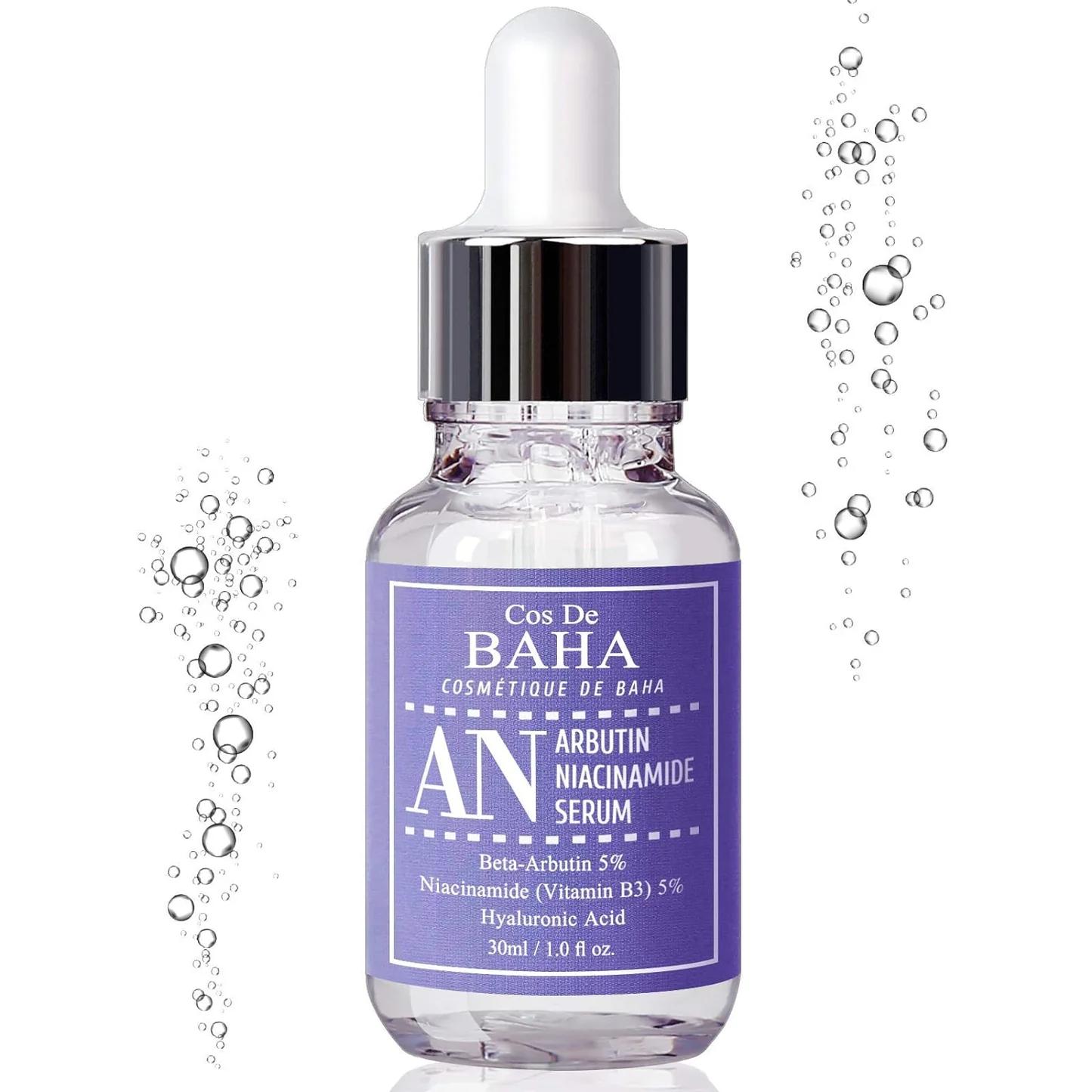
That said, results depend heavily on the full product. A 5 percent niacinamide serum with hydrating ingredients may feel gentle, while a stronger formula with acids, fragrance, or a sticky base may not suit sensitive users. More percentage is not automatically better.
In humid conditions, the product base often matters as much as the ingredient name. Look for textures that absorb cleanly, layer under sunscreen, and do not make the face feel coated. Consistent use over several weeks is a better test than one or two applications, because tone, oiliness, and barrier comfort change gradually.
Who should use it
Niacinamide is a sensible option for many Bangladeshi shoppers, but the best format depends on skin type. Oily skin usually does best with a watery serum, light gel, or toner-style formula that does not add a greasy layer. Combination skin can use it mainly on the T-zone or choose a light all-over serum followed by a moisturiser only where needed.
Dry skin may prefer niacinamide inside a cream with ceramides, panthenol, glycerin, or other moisturising ingredients, because niacinamide alone is not enough to fix tightness. Acne-prone users often choose niacinamide because it is less aggressive than frequent scrubbing or daily acid use, and because it pairs well with gentle salicylic acid routines when introduced slowly. People dealing with dark spots after pimples may also find it useful as part of a long-term routine with sunscreen.
Sensitive skin can use niacinamide, but should avoid starting with very high percentages or formulas that contain many actives at once. If your face burns, cracks, swells, or has persistent acne, product shopping should not replace dermatology advice. Niacinamide is best for cosmetic support: oil balance, visible tone, texture, and barrier comfort.
It is also good for beginners because it teaches a steady approach. Start with one product, observe the skin, then decide whether the routine needs more.
How to use it in a routine
Niacinamide is flexible, so place it according to the product format. A toner or essence goes after cleansing. A serum goes after toner and before moisturiser.
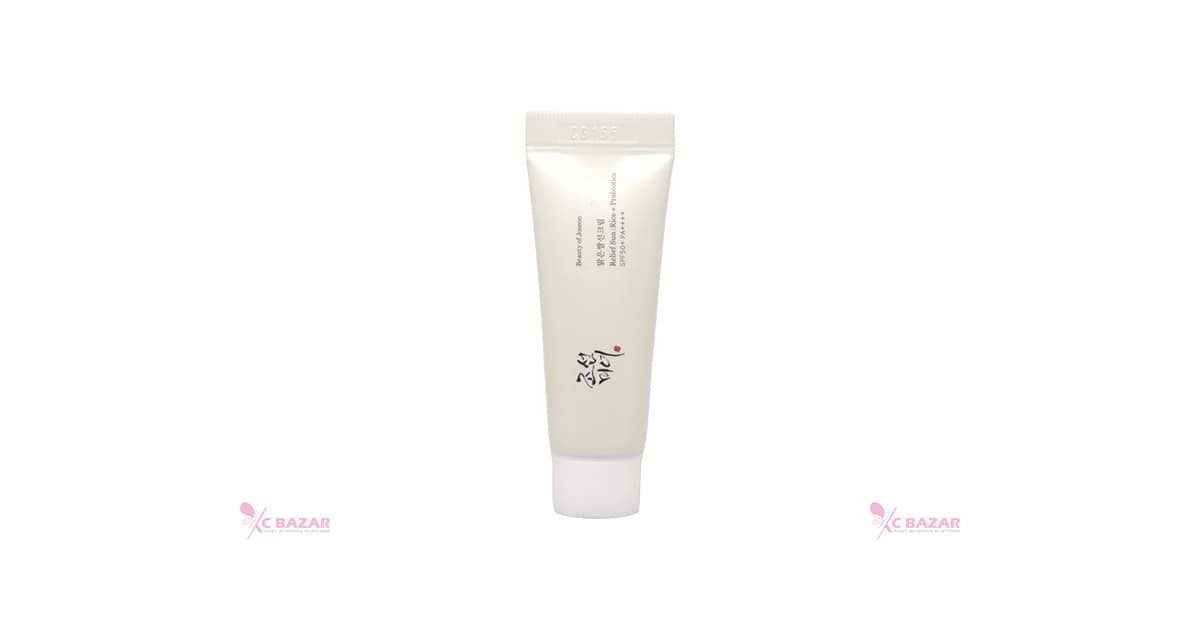
A moisturiser with niacinamide can be used as the cream step. In the morning, a practical Bangladesh routine is gentle cleanser or rinse, niacinamide if your skin likes it, lightweight moisturiser if needed, then broad-spectrum sunscreen. Sunscreen is non-negotiable for dark spot routines because strong UV exposure can keep marks looking deeper, especially on brown skin tones.
At night, cleanse properly to remove sunscreen, sweat, dust, and pollution, then apply niacinamide before moisturiser. If you also use vitamin C, retinol, AHA, BHA, azelaic acid, or tranexamic acid, avoid starting everything in the same week. Niacinamide often pairs well with many ingredients, but your skin barrier may not enjoy too many new steps at once.
Begin three or four times a week if you are cautious, then increase if there is no stinging or unusual dryness. If products pill under sunscreen, use less serum, wait a minute between layers, or switch to a thinner texture. During monsoon, you may need a lighter moisturiser over it; during winter or heavy air-conditioning, you may need more barrier support.
The right routine is the one you can repeat without discomfort.
Products at Emart
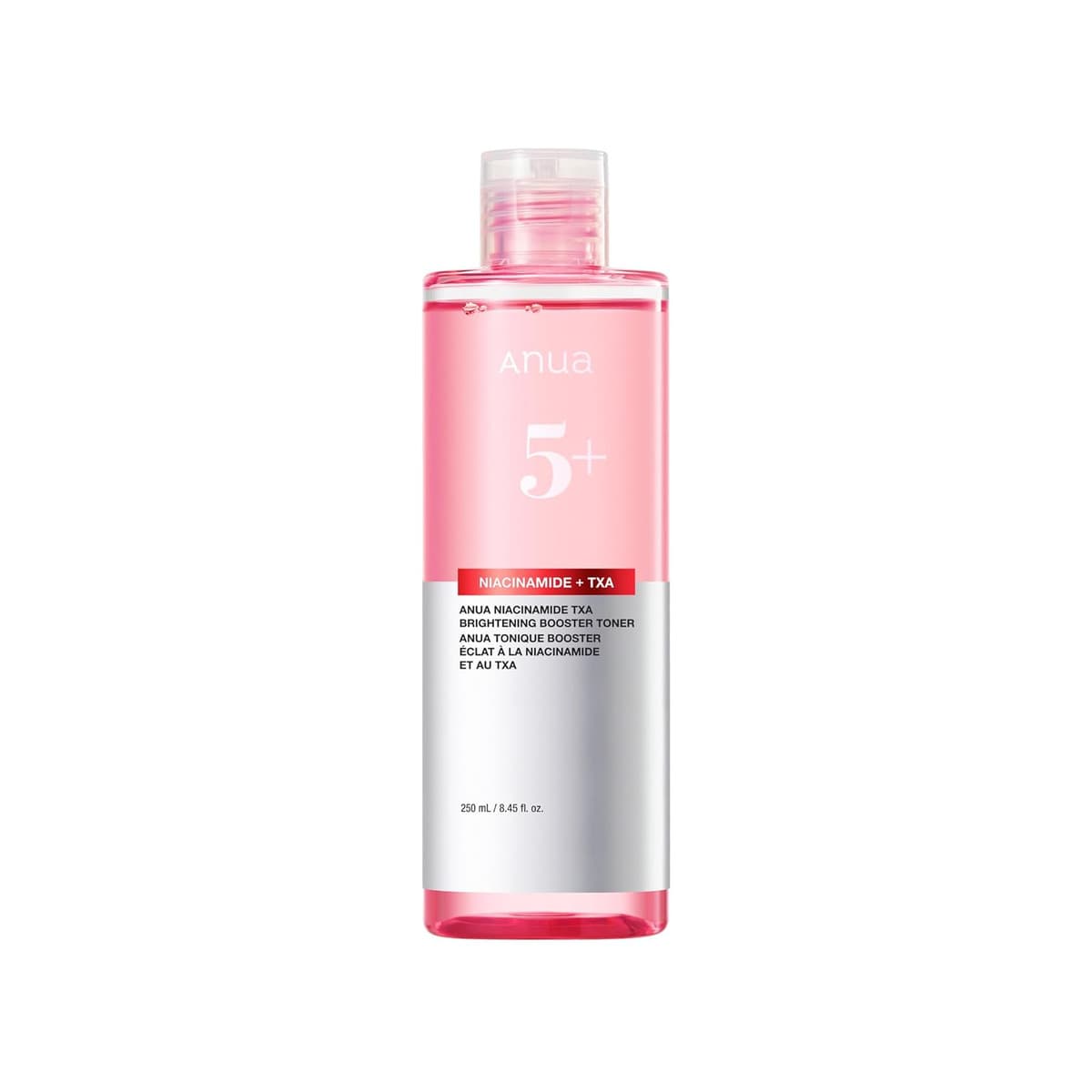
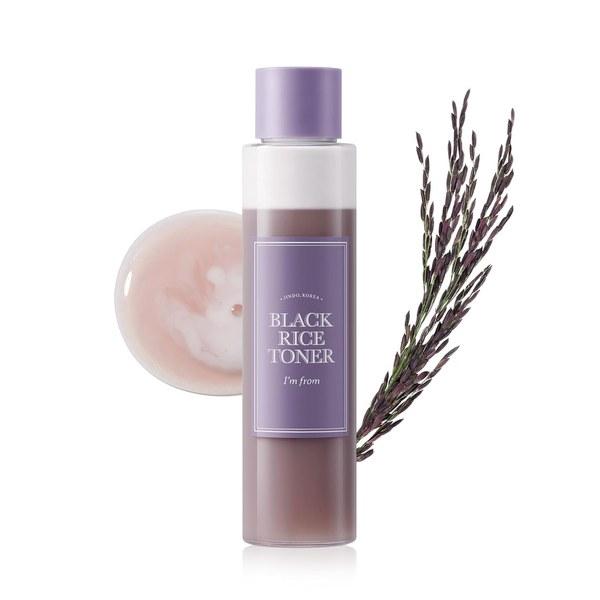
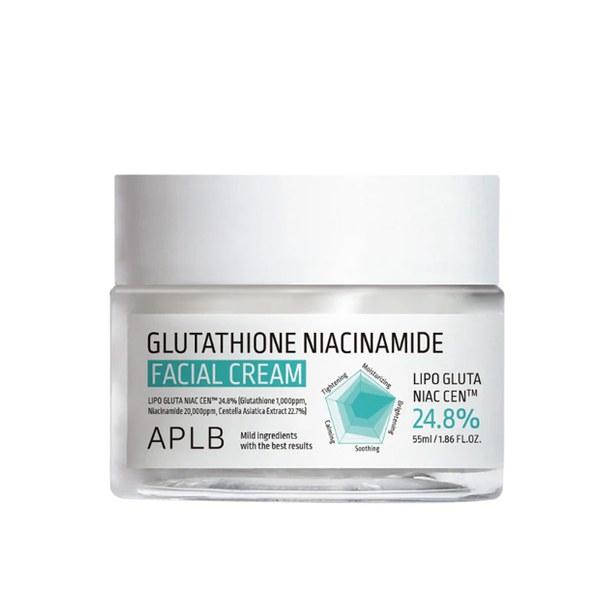
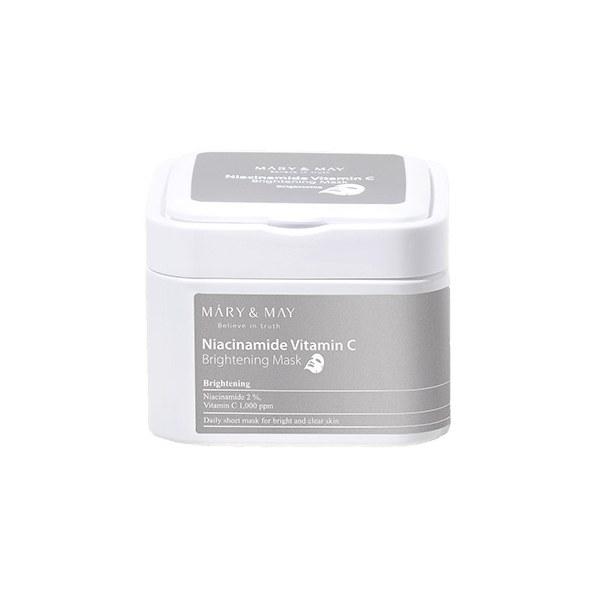
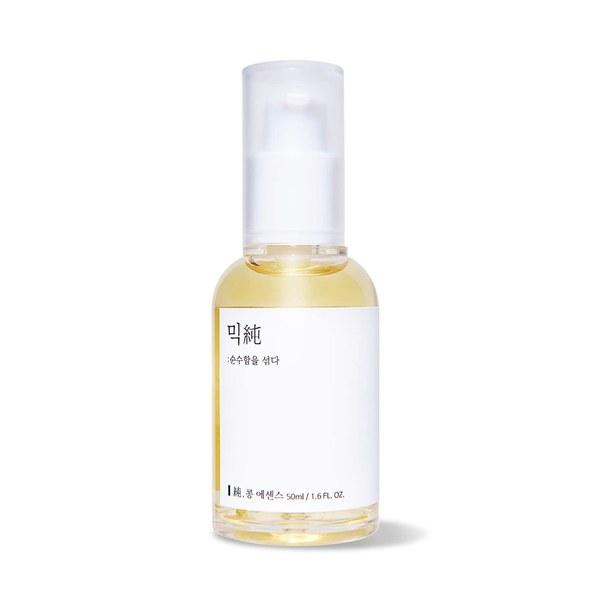
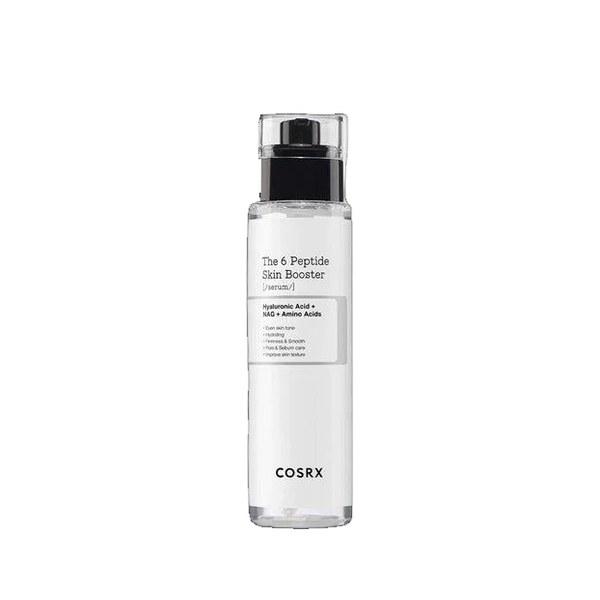
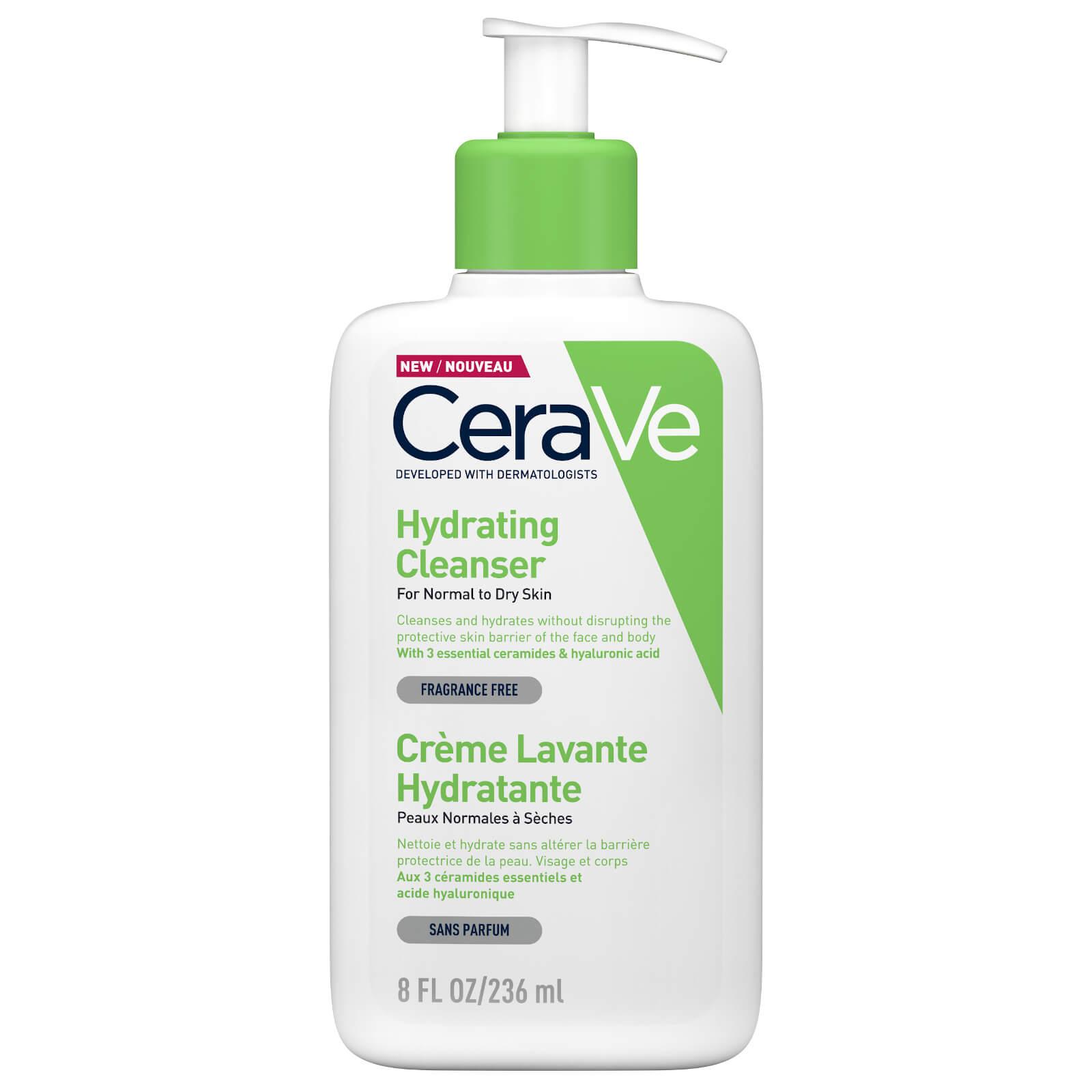
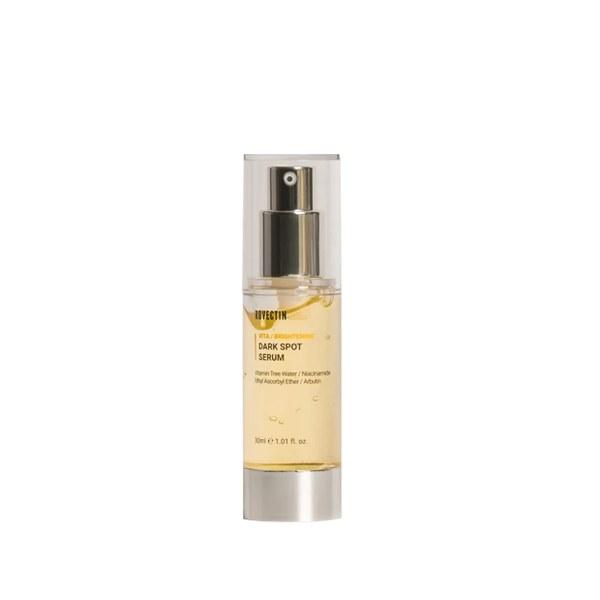
When shopping for niacinamide at Emart, compare the whole formula instead of buying only by percentage. A moderate niacinamide serum can be more useful than a very strong one if it layers well under sunscreen and does not make the face sticky in humid weather. Korean skincare often uses niacinamide in brightening serums, calming ampoules, moisturisers, and sunscreens, while derma-style brands may include it in barrier creams and oil-control formulas.
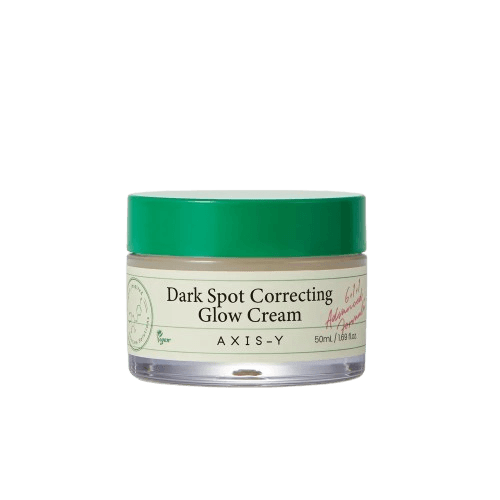
For oily skin in Dhaka heat, look for water-light textures, gel serums, and non-greasy moisturisers. For dry or sensitive skin, look for niacinamide with ceramides, panthenol, madecassoside, centella, beta-glucan, or hyaluronic acid. For dark spots after acne, niacinamide can sit in a routine with sunscreen and other tone-support ingredients, but avoid stacking too many brightening products if your skin is easily irritated.
Emart focuses on authentic imported products, which matters because ingredient-led skincare depends on stable formulas, clear labels, and reliable storage. If you are unsure, choose one niacinamide product that fits your skin type and finish preference, then use it consistently for four to six weeks before judging. A simple, original product used correctly usually beats a crowded routine of trendy duplicates.
The goal is not to own every niacinamide item; it is to find the one format your skin will actually tolerate in Bangladesh weather.
Frequently Asked Questions
Is niacinamide good for oily skin in Bangladesh?+
Yes, niacinamide is often a good fit for oily and combination skin because it can support a less shiny look without needing a heavy cream. Choose a watery serum, gel, or light lotion so it stays comfortable in humidity. If your skin is oily but dehydrated, pair it with a light moisturiser instead of skipping hydration completely.
Can niacinamide help with dark spots after acne?+
Niacinamide can support a more even-looking tone, which makes it useful in routines for post-acne marks on brown and wheatish skin tones. It works best with daily sunscreen, because UV exposure can make marks look darker and last longer. It is not a bleaching treatment and severe pigmentation should be discussed with a dermatologist.
Can I use niacinamide with vitamin C or retinol?+
Many people can use niacinamide with vitamin C or retinol, but introduce slowly. If you are new to actives, use vitamin C in the morning and retinol at night on separate days, with niacinamide in whichever routine feels comfortable. If stinging or peeling starts, reduce frequency and rebuild the barrier first.
What percentage of niacinamide should beginners choose?+
Beginners usually do not need the highest percentage. A moderate formula around 2 to 5 percent, or a moisturiser that includes niacinamide, is often easier to tolerate. Very high percentages may feel sticky or irritating for some users, especially when the skin barrier is already stressed.
Do I still need sunscreen when using niacinamide?+
Yes. Niacinamide does not replace sunscreen. In Bangladesh, strong UV exposure is a major reason dark spots, dullness, and uneven tone become harder to manage. Use sunscreen every morning, especially if your goal is brighter-looking skin or fewer visible post-acne marks.