Hyaluronic acid is a hydration-focused ingredient that helps skin feel plumper, smoother, and less tight without adding a heavy oily layer. That makes it especially useful in Bangladesh, where many people have confusing skin: the face looks shiny in humidity, but still feels dehydrated after cleansing, air-conditioning, long commutes, or sun exposure. Hyaluronic acid is a humectant, meaning it helps attract and hold water in the surface layers of the skin. It does not exfoliate, bleach, or treat acne, but it can make a routine more comfortable so other steps are easier to tolerate. For brown and wheatish skin tones, hydration matters because a damaged or tight barrier can make texture, dullness, and post-acne marks look more noticeable. The ingredient appears in toners, essences, serums, sheet masks, gels, creams, and sunscreens, so the best product is the one that matches your climate and skin type. In Dhaka heat or monsoon humidity, a light hyaluronic acid serum under sunscreen can feel fresher than a rich cream. In winter or air-conditioned rooms, it works best when sealed with moisturiser.
Benefits
The main benefit of hyaluronic acid is comfortable hydration. It helps the skin surface feel less tight, less rough, and more flexible, which can make makeup, sunscreen, and moisturiser sit better. This is useful for Bangladeshi shoppers because local weather can create both sweat and dehydration at the same time.
You may feel oily around the nose and forehead but still notice tight cheeks, dullness, or fine dehydration lines after washing. Hyaluronic acid is helpful because it adds water-like comfort without necessarily adding a greasy finish. It can suit oily, combination, dry, and sensitive skin when the texture is chosen well.
For acne-prone users, hydration is often overlooked. Many people use strong cleansers, clay masks, or acids to control breakouts, then the barrier becomes tight and reactive. A light humectant step can support comfort without clogging the routine.
For dry skin, hyaluronic acid can make moisturiser feel more effective when applied before cream. For skin with post-acne marks or uneven tone, hydration will not erase pigmentation, but it can improve the look of dullness and help the barrier tolerate sunscreen and tone-support ingredients. The result is usually subtle but important: skin that feels calmer, looks fresher, and handles daily products more predictably.
This is why a humble hydrating step can be important even when the main concern is oiliness, acne marks, or sunscreen comfort.
How it works
Hyaluronic acid is naturally associated with water-binding, and in skincare it works as a humectant. It helps draw water to the upper layers of the skin and gives a temporary plumped, smoother feel. Many formulas use sodium hyaluronate or different molecular weights of hyaluronic acid, but shoppers do not need to overcomplicate the science.
What matters most is whether the product adds hydration and whether you seal it properly. In humid Bangladesh weather, hyaluronic acid can feel lovely because there is already moisture in the air, but it still needs a balanced formula. If you apply a watery serum and leave the skin bare in air-conditioning, the face may eventually feel tight again.
That is why moisturiser matters, even if it is a light gel cream. Hyaluronic acid does not repair every barrier issue on its own. It works best with glycerin, panthenol, beta-glucan, ceramides, squalane, or other supportive ingredients depending on skin type.
It is also not the same as exfoliating acids such as glycolic acid or salicylic acid. Despite the word acid, hyaluronic acid is not used to peel the skin. It is usually gentle, but any formula can irritate if it contains fragrance, alcohol-heavy bases, or too many added actives.
Judge the whole product, not only the hero ingredient.
Who should use it
Hyaluronic acid can fit almost anyone who feels dehydration, tightness, roughness, or dullness, but different skin types need different textures. Oily skin should look for thin toners, essences, or gel serums that disappear quickly and do not leave a sticky film under sunscreen. Combination skin can use it all over, then apply moisturiser only on areas that need more comfort.
Dry skin should use hyaluronic acid before a richer cream, because humectants need something to seal them in. Sensitive skin often appreciates simple hydrating formulas, especially when the skin is stressed from heat, cleansing, shaving, acne products, or retinoids. Acne-prone users can also benefit because dehydration can make the skin feel more irritated and may push people to use even harsher products.
Hyaluronic acid is not a spot treatment for pimples and it will not fade dark marks by itself, but it supports the routine around those goals. It is useful for people who wear sunscreen daily and want a smoother base without heaviness. It can also help mature skin look temporarily plumper, especially around areas that show dehydration lines.
If your skin is swollen, painful, infected, or reacting strongly to many products, keep the routine minimal and seek professional advice rather than adding more layers.
How to use it in a routine
Hyaluronic acid usually works best after cleansing and before moisturiser. Apply it to slightly damp skin, because humectants perform better when there is water available. A simple morning routine is cleanser or rinse, hyaluronic acid toner or serum, light moisturiser if needed, then sunscreen.
In Bangladesh, sunscreen can feel heavy, so a hydrating serum should be thin enough to layer without pilling. Use a small amount first; more serum often creates stickiness rather than better hydration. At night, cleanse thoroughly to remove sunscreen, sweat, dust, and pollution, then apply hyaluronic acid before your moisturiser.
If you use retinol, AHA, BHA, vitamin C, azelaic acid, or other actives, hyaluronic acid can be a supporting step that reduces the feeling of dryness, but it should not be used to push through irritation. If your skin stings from every product, pause strong actives and focus on cleanser, moisturiser, and sunscreen. During monsoon, you may prefer a watery essence and gel cream.
During winter, Ramadan sleep changes, travel, or long air-conditioned office days, you may need a creamier moisturiser over it. For best results, think of hyaluronic acid as the water step, not the final seal. Hydrate first, then lock it in according to your skin type.
Products at Emart
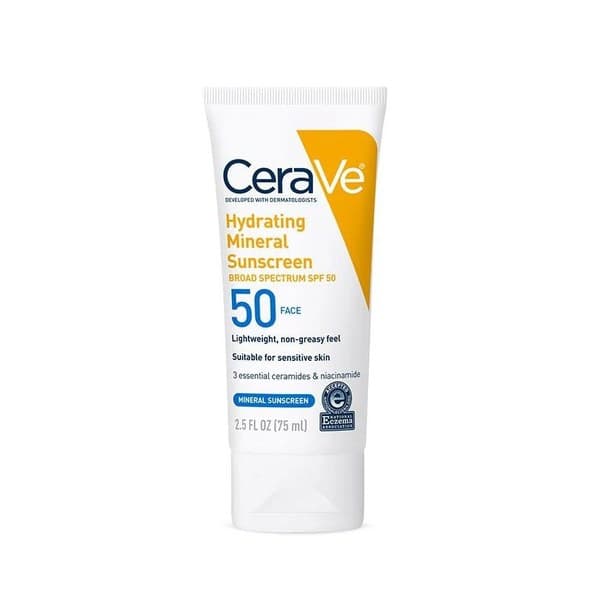
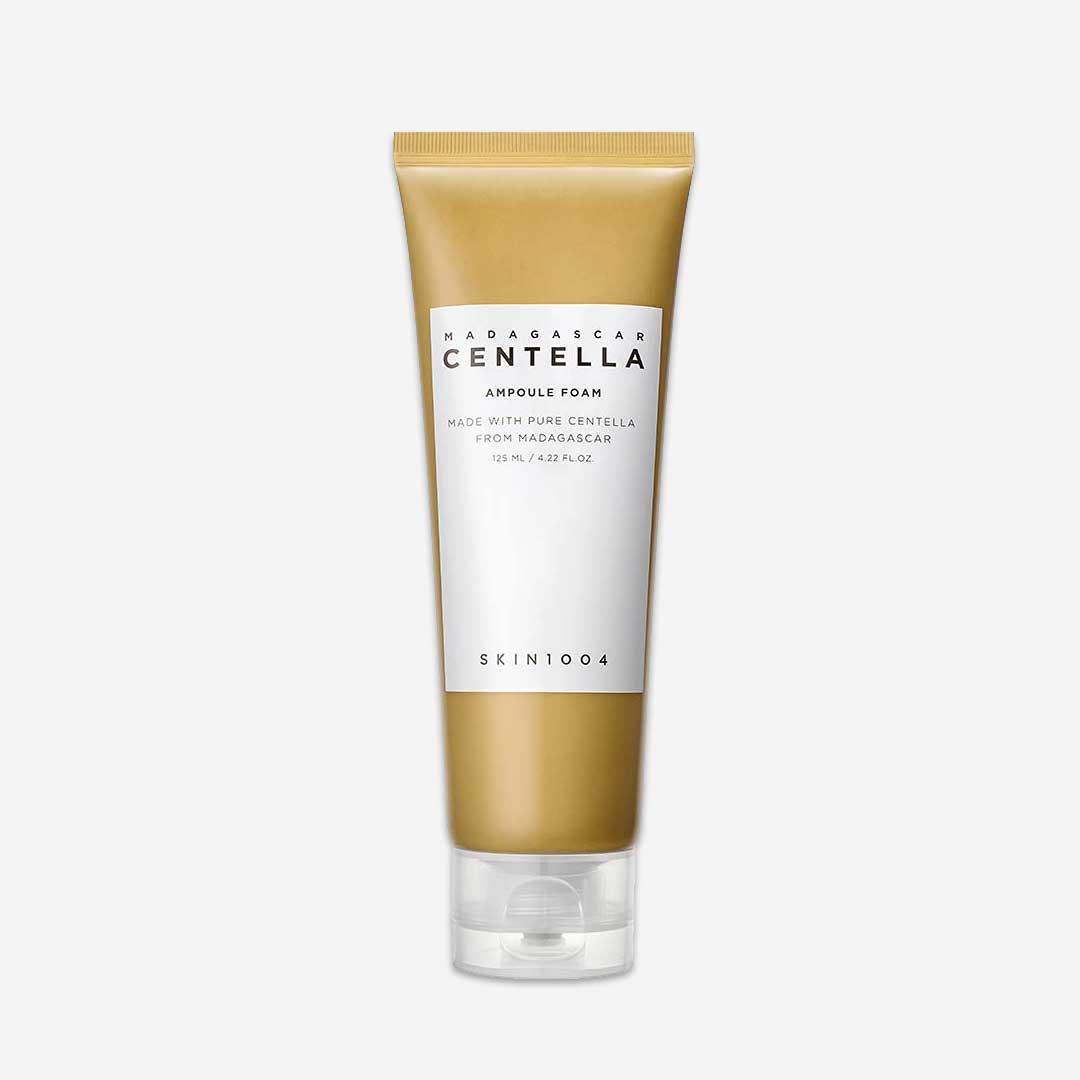
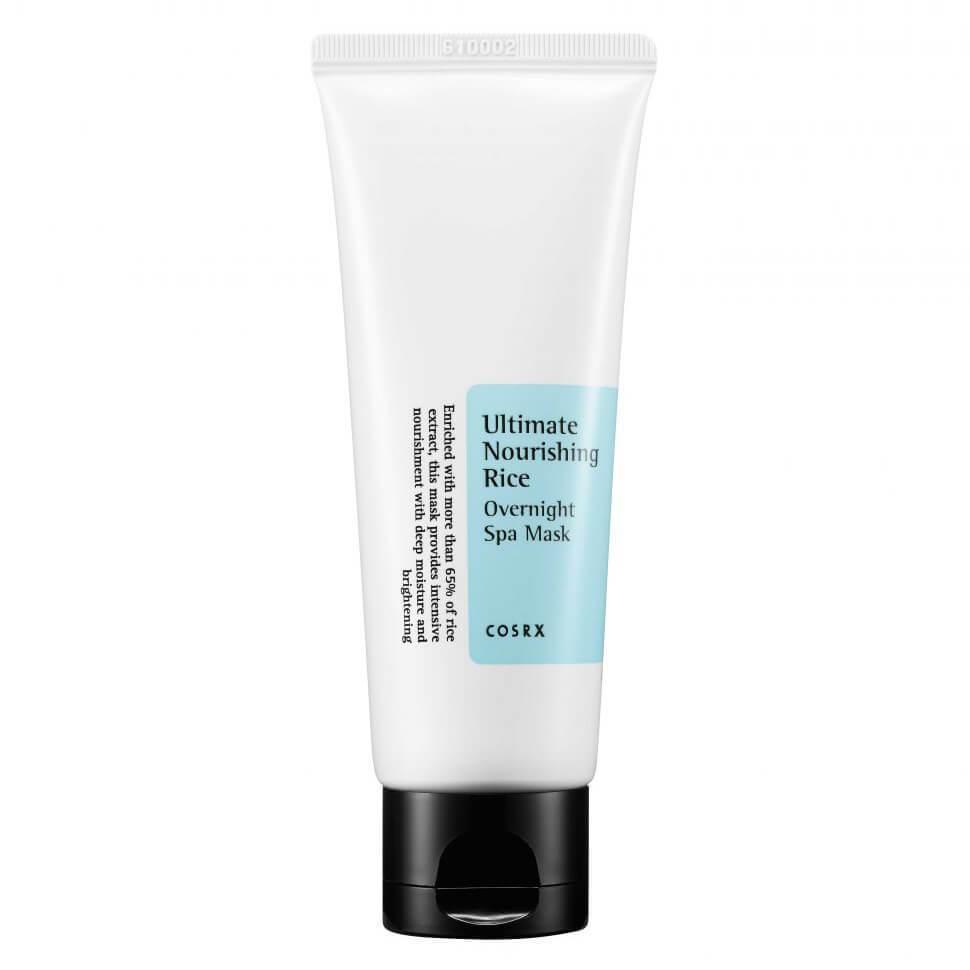
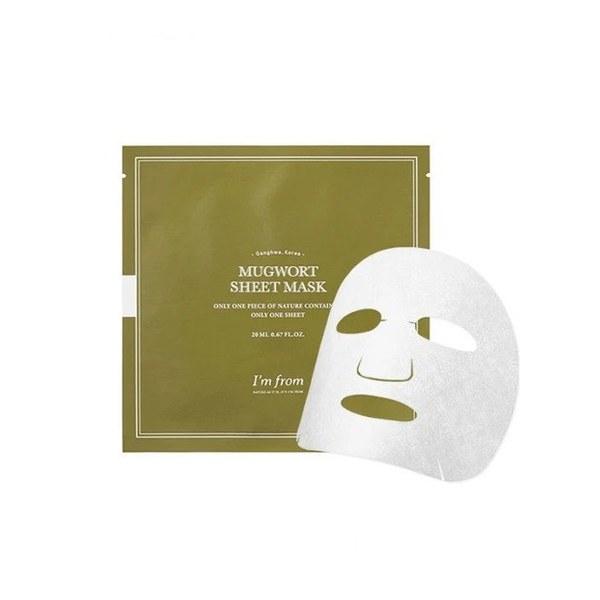
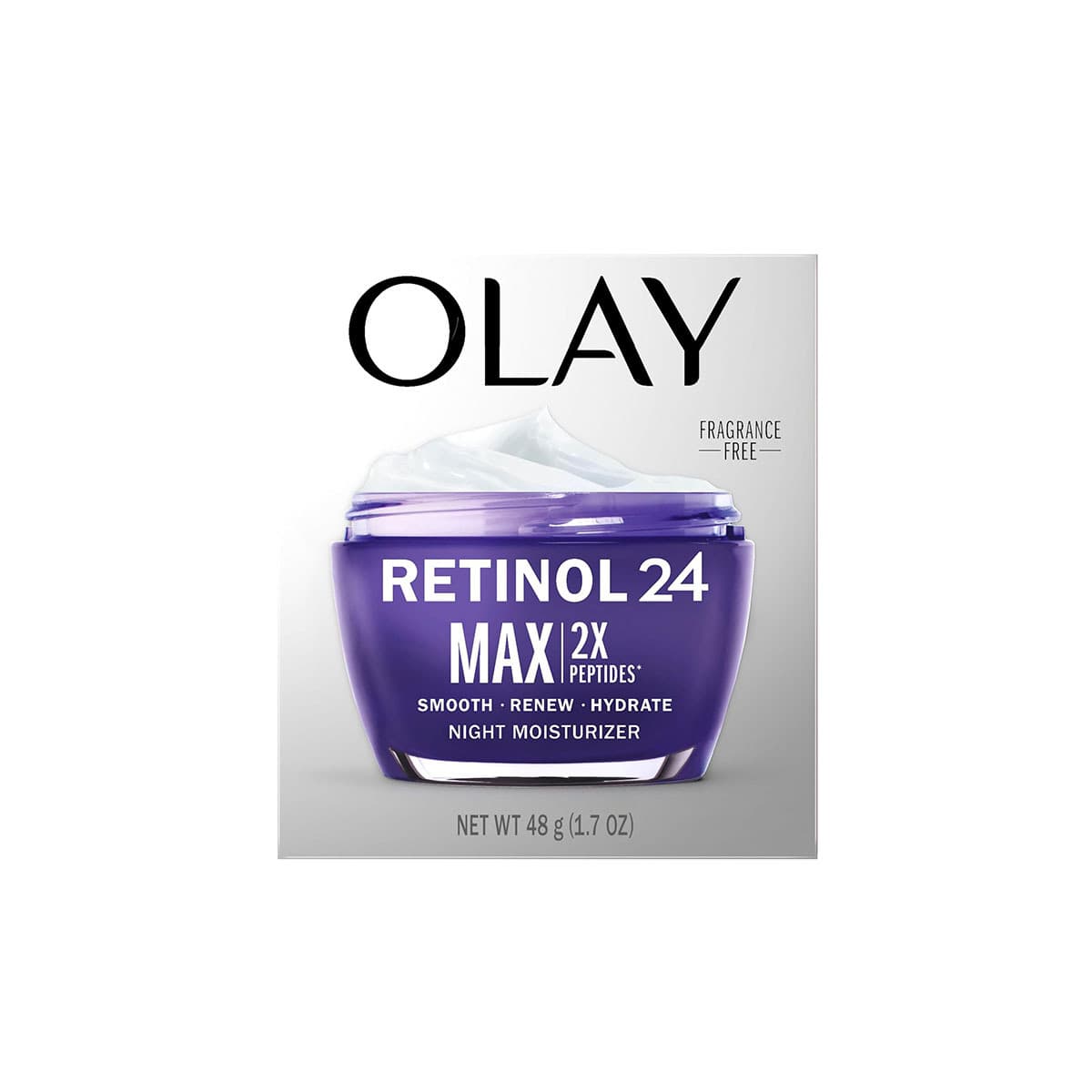
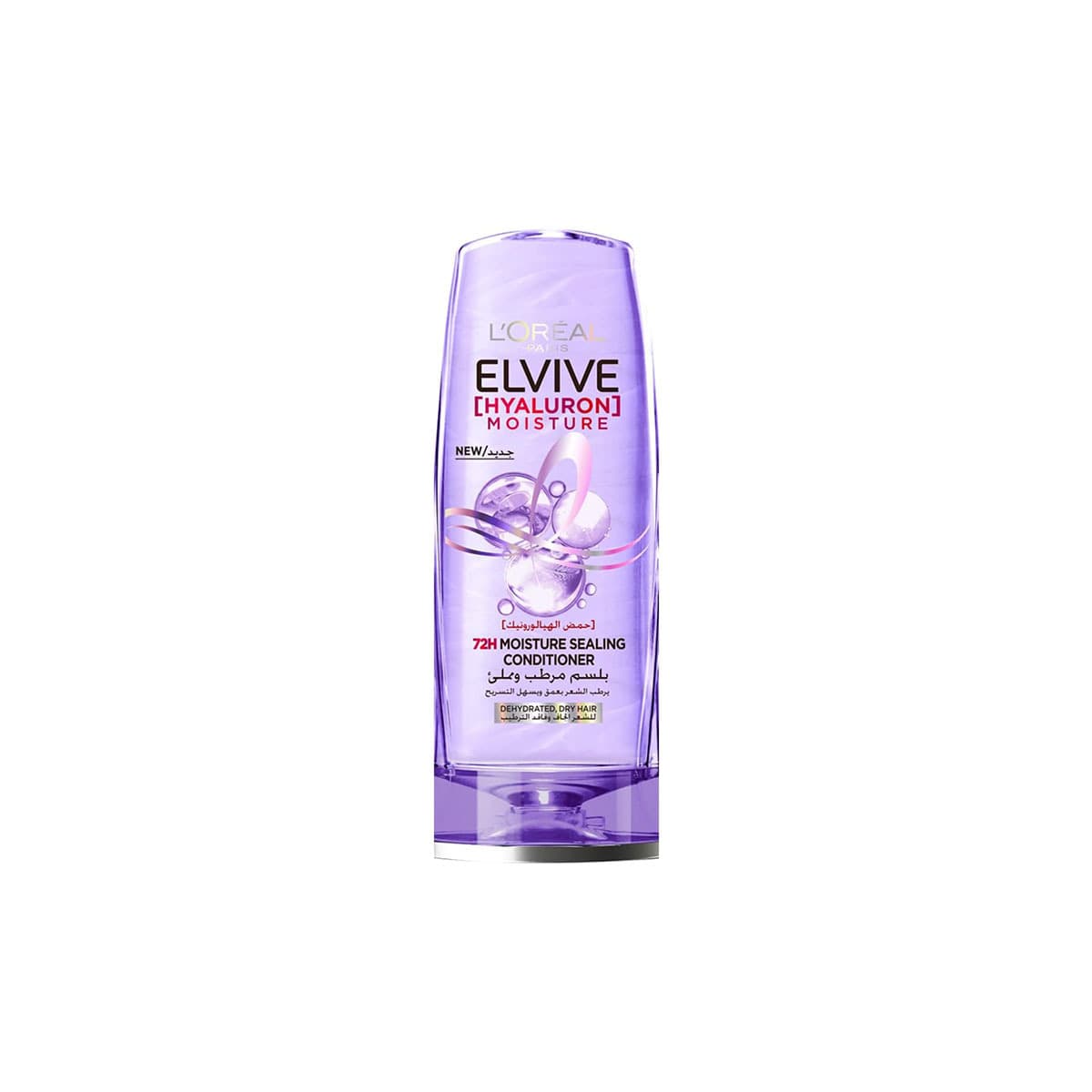
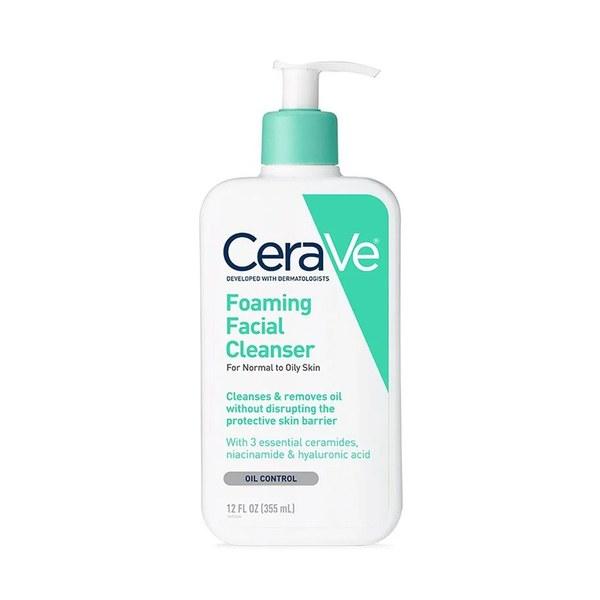
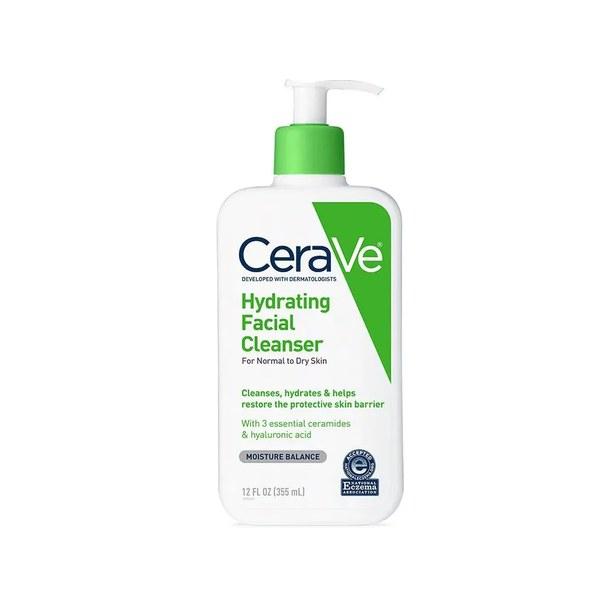
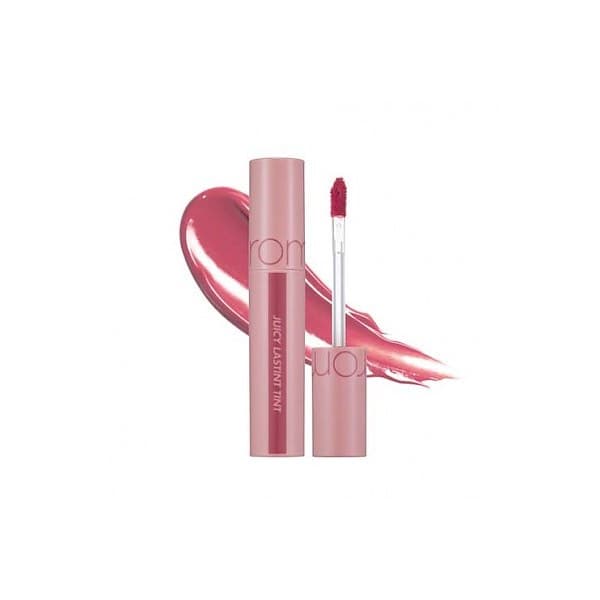
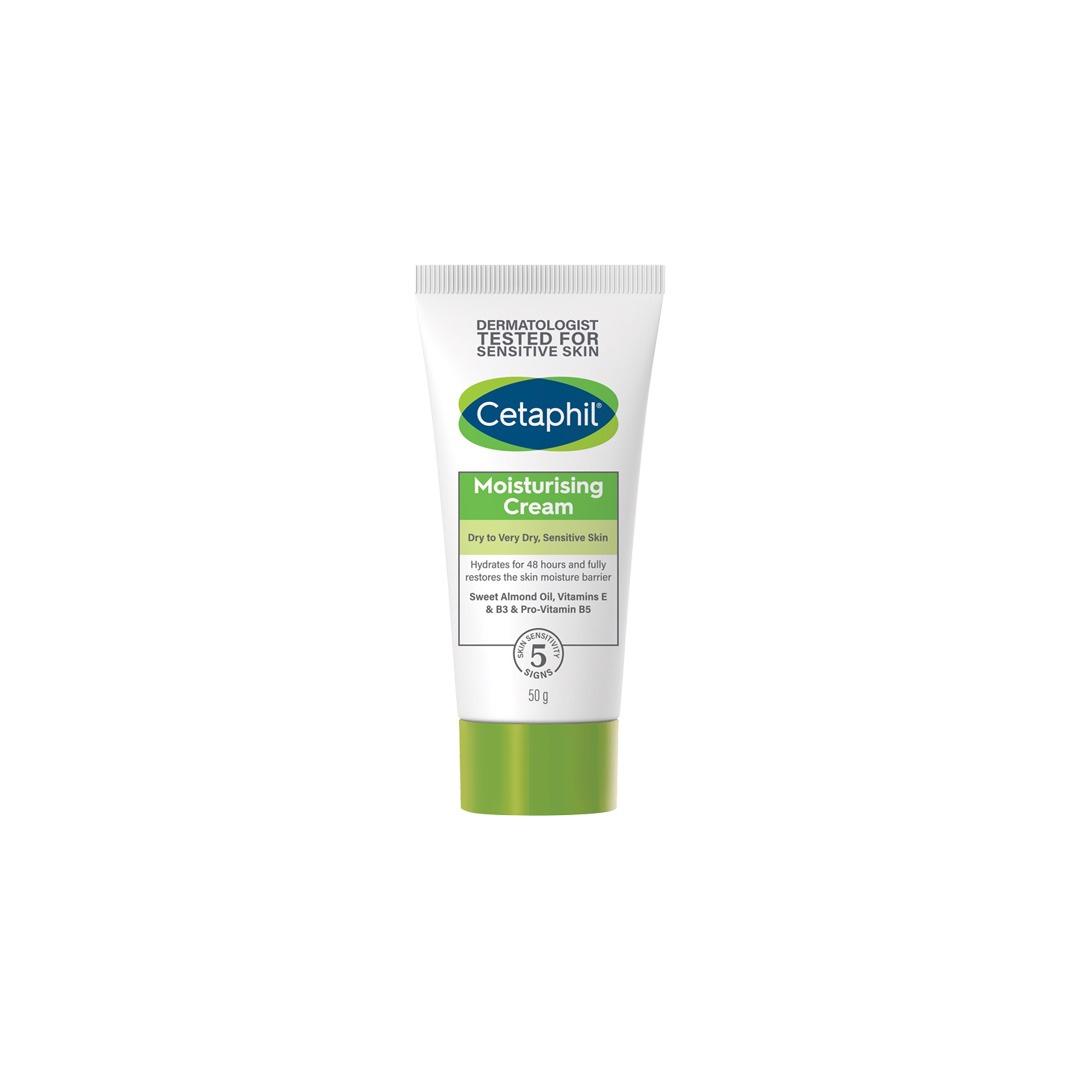
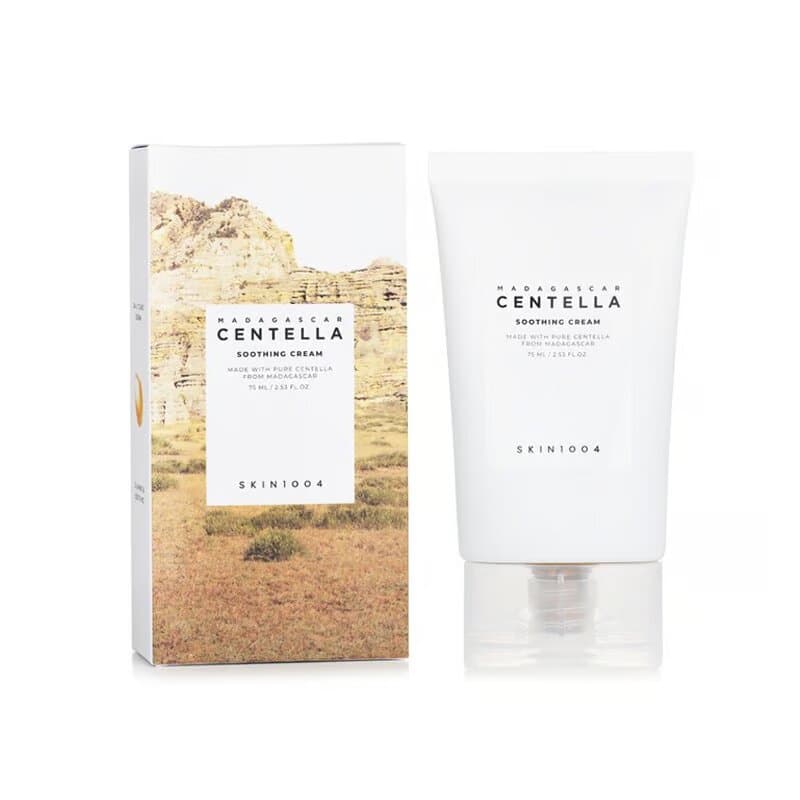
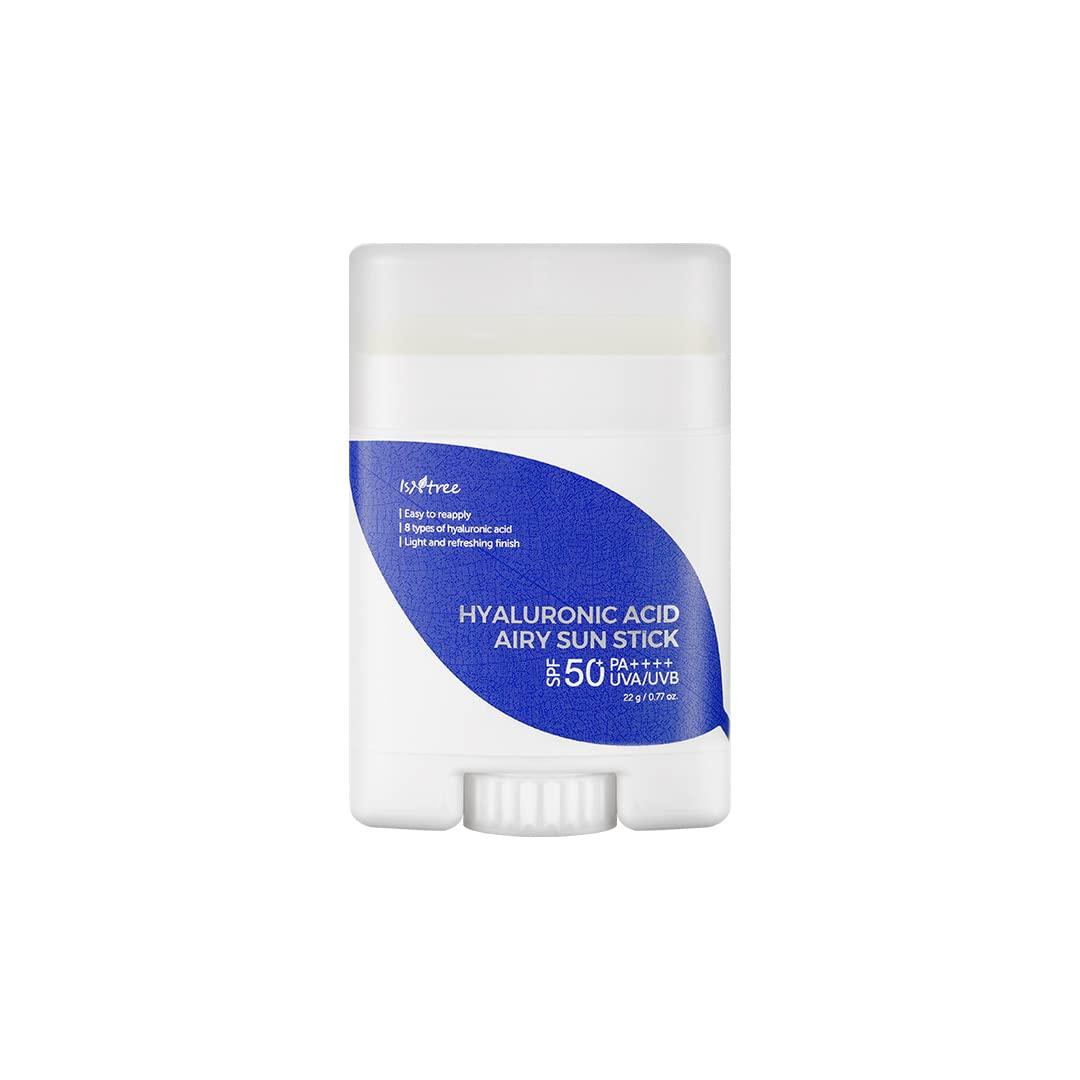
At Emart, hyaluronic acid appears across many K-beauty and derma-style products, from simple toners to multi-ingredient serums and moisturisers. When choosing, start with your skin feel. If your face becomes shiny quickly in Dhaka heat, pick a light, watery serum or gel that layers cleanly under sunscreen.
If your cheeks feel tight but your T-zone is oily, a toner or essence may be enough before a small amount of moisturiser. If your skin is dry, look for hyaluronic acid combined with ceramides, panthenol, peptides, squalane, or nourishing creams. If your barrier is sensitive, choose fragrance-light or fragrance-free formulas where possible.
Authentic import matters for hydration products too, because texture, preservation, and storage can affect how comfortable a formula feels. Emart shoppers should avoid buying several hyaluronic acid products at the same time. One well-chosen hydrating step is usually enough.
Pair it with a cleanser that does not strip, a moisturiser that fits your skin type, and sunscreen you can wear daily. For dark spots or acne routines, hyaluronic acid is not the hero that changes pigment, but it can make the rest of the routine more wearable. That practical comfort is often what keeps people consistent.
In skincare, especially in Bangladesh weather, consistency beats an overloaded shelf.
Frequently Asked Questions
Is hyaluronic acid good for oily skin in humid weather?+
Yes, oily skin can use hyaluronic acid if the texture is light. Choose watery toners, essences, or gel serums instead of heavy creams. Oily skin can still be dehydrated, especially after strong cleansing or long hours in air-conditioning, so hydration can help the face feel more balanced.
Should I apply hyaluronic acid on wet or dry skin?+
Slightly damp skin is usually best. Apply after cleansing or toner, then follow with moisturiser so the hydration is sealed in. If you apply hyaluronic acid and skip moisturiser in an air-conditioned room, the skin may start to feel tight again.
Can hyaluronic acid fade dark spots?+
Hyaluronic acid does not directly fade dark spots. Its role is hydration and comfort. For post-acne marks on brown or wheatish skin tones, pair a hydrating step with daily sunscreen and suitable tone-support ingredients such as niacinamide, vitamin C, azelaic acid, or tranexamic acid if your skin tolerates them.
Can I use hyaluronic acid with retinol or acids?+
Yes, hyaluronic acid is often used with retinol, AHA, BHA, or vitamin C because it supports hydration. Apply it before moisturiser and avoid using it as an excuse to continue a routine that is clearly irritating. If peeling or burning appears, reduce the stronger active first.
Do I need moisturiser after hyaluronic acid in Bangladesh?+
Most people should use some moisturiser after hyaluronic acid, but the texture can be light. In summer or monsoon humidity, a gel cream may be enough. In winter, dry skin, or air-conditioning, a richer moisturiser may be needed to keep the hydration comfortable.