Acne & Blemish Care is a common skincare search area for Bangladeshi shoppers because local weather can make clogged-looking pores, blemishes, oiliness, and post-blemish marks more noticeable. A useful routine should be realistic, not harsh. It should consider cleansing, hydration, sunscreen, active ingredients, and the way skin behaves during Dhaka humidity, monsoon sweat, hard-water cleansing, pollution, and high UV exposure. This page explains the concern in cosmetic skincare language, then connects it with ingredients that are commonly used for visible support. It does not replace a dermatologist, especially when symptoms are painful, spreading, or linked to a diagnosed skin condition. The goal is to help shoppers build a routine that is consistent, comfortable, and evidence-led enough to use beyond the first few days. A good page should also help users understand why a simple routine often works better than repeatedly adding stronger products. It also helps users decide when skincare shopping is enough and when professional advice is the more sensible next step. That clarity matters when a concern has many similar-looking product choices online today.
Understanding Acne & Blemish Care
Acne & Blemish Care refers to visible skin concerns connected with clogged-looking pores, blemishes, oiliness, and post-blemish marks. It may appear differently from person to person. Some shoppers notice oiliness by midday, while others notice tightness, dullness, marks, rough texture, visible lines, or sensitivity after cleansing.
The first step is to understand what the concern looks like on your own skin rather than copying a long routine from someone else. Many concerns overlap: oily skin can be dehydrated, dry skin can look dull, and sensitive skin can still need sunscreen. Cosmetic skincare can support the look and feel of skin, but it cannot diagnose medical causes.
A balanced routine usually starts with gentle cleansing, a suitable moisturiser, and daily sun protection. Targeted ingredients can then be added one at a time. This approach is slower than buying many products together, but it is easier to troubleshoot and more comfortable for the skin barrier.
It also makes shopping easier, because you can choose products by role instead of collecting several formulas that do the same job. This makes the page useful for shoppers who need education before they compare products in the grid.
Common Causes of Acne & Blemish Care in Bangladesh
Bangladesh’s climate can make acne & blemish care harder to manage. Dhaka humidity, monsoon sweat, strong sun, air pollution, dust, and hard water can all change how skin feels through the day. Sweat and sunscreen may mix with makeup or pollution, while frequent washing can leave the barrier tight.
Long commutes, helmets, masks, and indoor air-conditioning can create different stress points on the face. Diet, sleep, hormones, and stress may also influence how the skin looks, but triggers vary widely. A practical routine should therefore focus on habits as well as ingredients.
Cleanse gently at night, avoid scrubbing, keep towels and pillowcases fresh, and choose sunscreen textures that you will actually wear. If the skin feels uncomfortable, reduce active steps before blaming one ingredient. Climate-aware skincare is about consistency: products should match local heat and humidity, but still provide enough support for the barrier.
During monsoon, this may mean lighter layers in the morning and a more comforting moisturiser at night. Small habit changes can make ingredient choices work more predictably in local heat and humidity.
Key Ingredients for Acne & Blemish Care
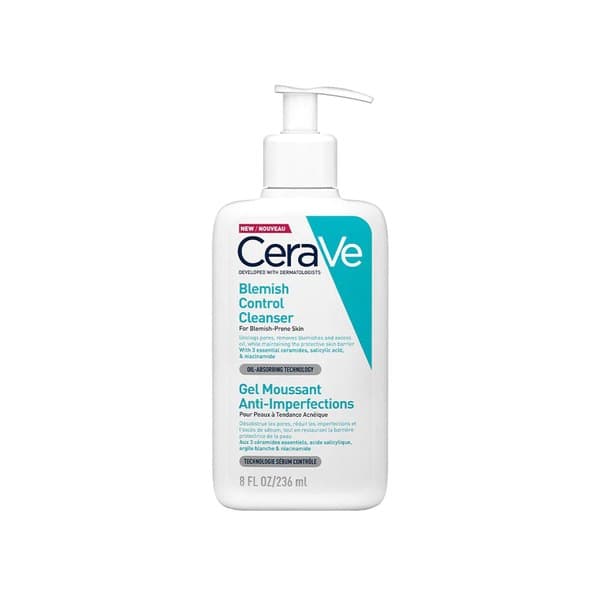
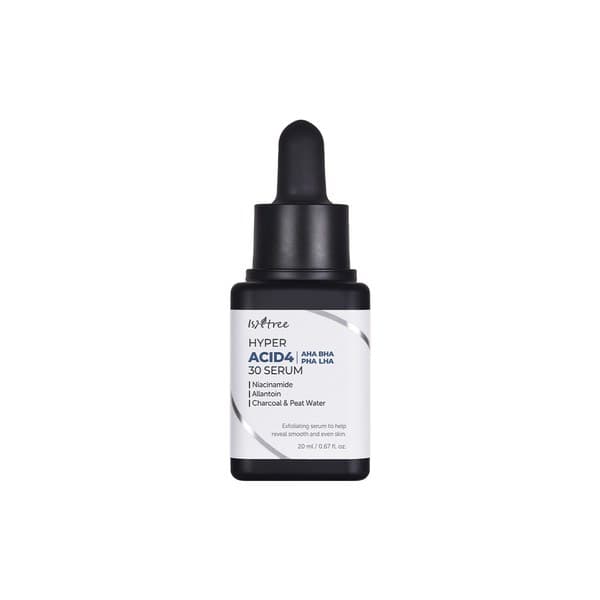
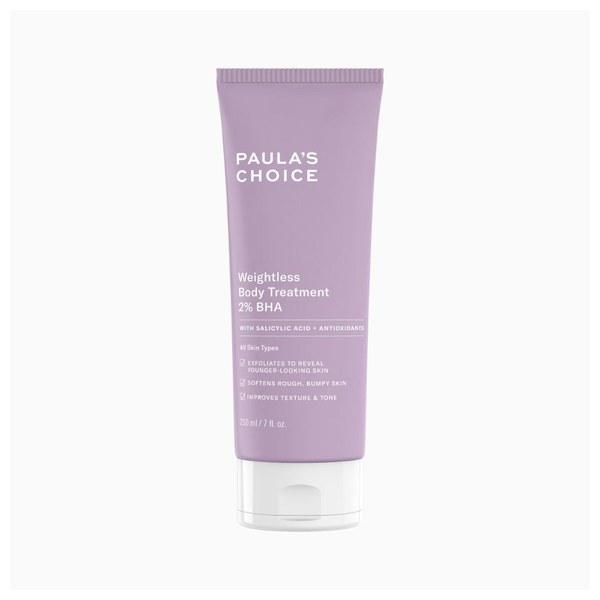
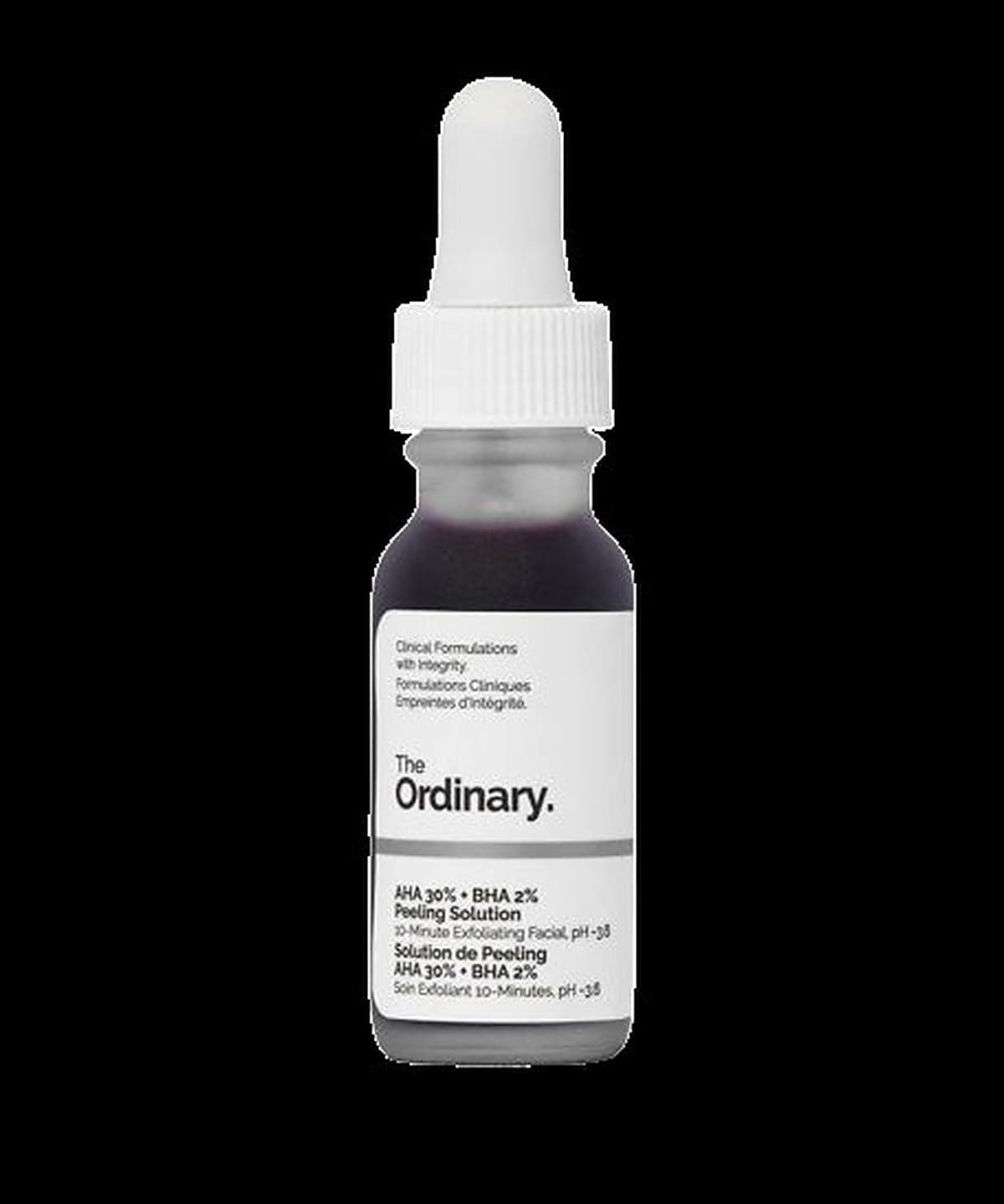
Several ingredients are commonly used for acne & blemish care routines. BHA Salicylic Acid can be useful when the routine needs focused support for the visible concern. Niacinamide is often chosen when shoppers want a more balanced-looking complexion or better routine comfort.
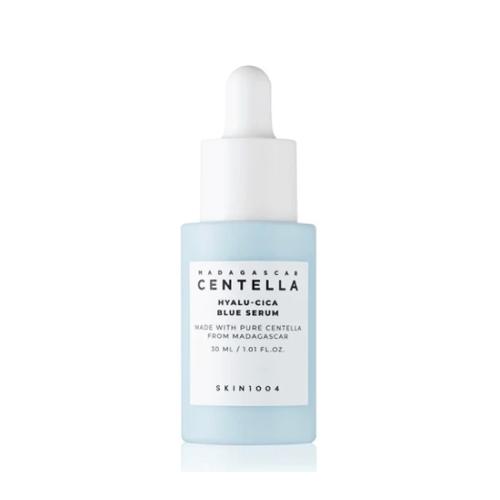
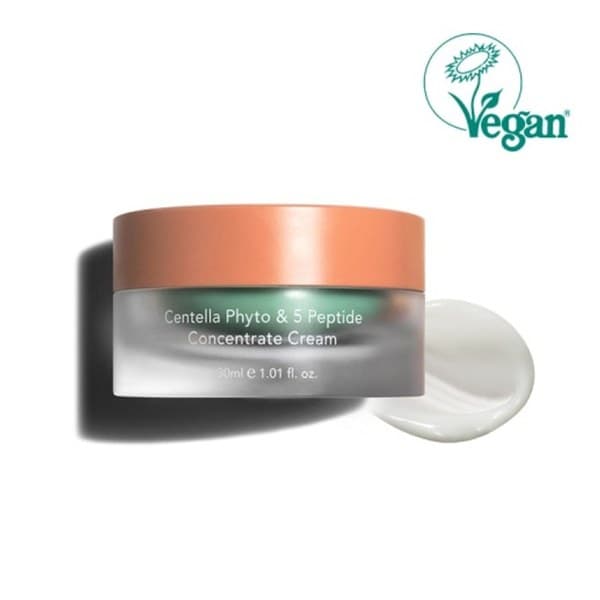
Centella can support the skin when the barrier feels stressed or when the routine needs a gentler base. The right ingredient depends on your current skin state. If skin is oily but comfortable, an exfoliating or oil-balancing step may fit.
If skin is tight, stinging, or peeling, barrier support should come first. Do not start every ingredient at once. Add one product, use it consistently, and observe how the skin feels after a week or two.
Internal links can help shoppers learn the role of each ingredient before choosing products from the grid below. This keeps the page educational without pushing one specific product as a universal answer. It also helps compare actives by routine role: exfoliating, hydrating, calming, brightening-support, or barrier-support.
Learning ingredient roles first also reduces the chance of buying several products that overlap too much.
Building a Routine for Acne & Blemish Care
A routine for acne & blemish care should be simple enough to repeat. In the morning, start with a gentle cleanse or rinse, then use a targeted product if your skin tolerates it, follow with moisturiser, and finish with sunscreen. Sunscreen matters because UV exposure can make tone, lines, sensitivity, and mark visibility harder to manage.
At night, cleanse more thoroughly to remove sunscreen, sweat, pollution, and makeup. Then use one active step or a barrier-support product, depending on what your skin needs most. Avoid adding multiple exfoliants, retinoids, and brightening serums together at the beginning.
If the skin becomes uncomfortable, pause active products and return to cleanser, moisturiser, and sunscreen. Once settled, reintroduce one step at a time. People often improve their routine by changing texture rather than adding more products.
A lighter moisturiser, less sticky sunscreen, or gentler cleanser can make the whole routine easier to maintain. Keep the routine written down for two weeks if you are testing a new ingredient, because memory can make product reactions hard to track. A repeatable routine is easier to improve because you can identify which step is helping or causing discomfort.
Acne & Blemish Care in Bangladesh's Climate
For acne & blemish care, Bangladesh’s weather should influence product texture and timing. In Dhaka’s humid summer, heavy creams may feel greasy, while very drying cleansers can make skin feel tight by evening. During monsoon, sweat and pollution build up quickly, so night cleansing becomes important.
High UV index remains relevant even when the sky looks cloudy, so sunscreen should stay in the morning routine. Hard water can make some cleansers feel harsh, and air pollution can leave skin looking dull or congested. A climate-aware routine uses breathable daytime layers and more supportive night care if needed.
People who commute, ride bikes, wear helmets, or spend time outdoors may need extra attention around the hairline, forehead, and jawline. The goal is not to fight the climate with stronger products. It is to choose formulas that remain comfortable enough for daily use in local heat, humidity, and changing seasons.
If a product feels heavy in May, save it for night use or cooler months instead of abandoning the whole routine. This climate-first thinking is important for Bangladesh because the same product can feel different across seasons.
When to See a Dermatologist
See a dermatologist if acne & blemish care is painful, spreading, sudden, severe, or not improving after a consistent basic routine. Professional advice is also important if the skin is burning, cracking, bleeding, swelling, or leaving scars. In Bangladesh, many shoppers try several strong products before seeking help, which can make the barrier more reactive and the concern harder to understand.
Bring a list or photos of products you use, including cleanser, sunscreen, hair products, makeup, and any prescription creams. This helps the dermatologist identify possible irritation or product overlap. Avoid using prescription products from friends, social media, or old family medicine boxes without guidance.
Some conditions can look similar on the surface but need different care. Skincare content can explain ingredients and routine structure, but a dermatologist can assess patterns, triggers, and whether medical treatment is needed. Early advice can save time, money, and unnecessary irritation.
This is especially useful before major events, when people are tempted to rush with several unfamiliar active products. Professional guidance is also useful when a concern affects confidence, sleep, work, or daily comfort.
Frequently Asked Questions
What routine is good for acne & blemish care in Bangladesh?+
Start with cleanser, moisturiser, sunscreen, and one targeted ingredient. Choose textures that feel comfortable in humidity so you can use them consistently. If irritation appears, pause new actives and return to a basic routine.
Which ingredients are commonly used for acne & blemish care?+
BHA Salicylic Acid, Niacinamide, and Centella are commonly used in this routine category. The right choice depends on skin type and tolerance. If irritation appears, pause new actives and return to a basic routine.
Does Dhaka humidity make acne & blemish care worse?+
Humidity can make sweat, oil, sunscreen, and pollution feel heavier on the skin. Gentle night cleansing and lighter daytime textures can help the routine feel manageable. If irritation appears, pause new actives and return to a basic routine.
Can sunscreen help with acne & blemish care?+
Sunscreen is useful for most routines because UV exposure can make visible tone, texture, and ageing concerns harder to manage. Pick a formula you can wear daily. If irritation appears, pause new actives and return to a basic routine.
When should I see a dermatologist for acne & blemish care?+
Seek professional advice if the concern is painful, severe, spreading, scarring, or not improving with a simple routine. A dermatologist can assess causes that skincare content cannot diagnose. If irritation appears, pause new actives and return to a basic routine.