
Sunscreen Guide
The Best Cleansers for Every Skin Type
Why the Right Cleanser Matters Bangladesh weather is a roller‑coaster. Humid mornings in Dhaka turn into sweltering afternoons, and the AC in offices can leave your skin
Why the Right Cleanser Matters
Bangladesh weather is a roller‑coaster. Humid mornings in Dhaka turn into sweltering afternoons, and the AC in offices can leave your skin feeling tight by evening. A cleanser that matches your skin type is the first line of defence against that fluctuation. It strips away oil, sweat, and pollution without tearing the skin’s natural barrier.
Gel Cleansers for Oily & Combination Skin
Here’s the thing: gel cleansers are water‑based, so they rinse cleanly and leave little residue. They usually sit in the pH range of 5.0‑5.5, which is close to the skin’s own acidity. That low‑pH environment tells oil‑producing cells to calm down.
- Key ingredients: Salicylic acid (BHA) to dissolve sebum, tea tree oil for antimicrobial action, and niacinamide to reduce shine.
- How it works: The gel’s light texture penetrates the pores, loosening the oil film. Salicylic acid then breaks down the “glue” that holds dead cells together, preventing blackheads.
- Local tip: Look for products that list “non‑comedogenic” on the label. In the monsoon season, a gel that foams lightly will wash away rain‑mixed grime without over‑drying.
My go‑to gel in Dhaka is a Korean‑style formula that costs about ৳650 and still feels refreshing after a sweaty commute. You’ll notice less midday shine and fewer breakouts within a week.
Cream Cleansers for Dry & Dehydrated Skin
If you’ve ever felt like your skin is a desert after a hot day on the rooftop, you need a cream cleanser. Creams are oil‑in‑water emulsions that trap moisture inside instead of pulling it out.
- Key ingredients: Ceramides to rebuild the lipid barrier, glycerin for humectancy, and oat extract to soothe irritation.
- How it works: The creamy texture forms a thin film on the skin. When you massage it in, the lipids dissolve makeup and sunscreen, then rinse off with water, leaving a subtle film of hydration.
- Local tip: In winter, when the AC is blasting, use a cream cleanser with at least 3% ceramides. It will prevent that tight, flaky feeling that many Dhaka residents complain about.
I switched to a cream cleanser after a month of using a gel, and my cheeks stopped feeling “peeled” after each wash. The skin feels plump, especially after a rainy evening walk.
Micellar Water for Sensitive Skin
Micellar water is basically tiny “magnetic” spheres that attract dirt without needing a vigorous rub. For sensitive skin, that gentle approach is a lifesaver.
- Key ingredients: Mild surfactants derived from coconut, soothing aloe vera, and a tiny dose of vitamin E.
- How it works: The micelles glide over the skin, trapping particles like a magnet. No friction = less inflammation.
- Local tip: Choose a formula free of fragrance and alcohol. In the summer, a chilled bottle feels refreshing after a sweaty bus ride.
My sister, who reacts to most foaming cleansers, uses micellar water every night. She wakes up with no redness and her dermatologist says her skin barrier is finally stable.
Low‑pH Cleansers: The Unsung Hero
Most commercial soaps sit at pH 9‑10, which can strip away the acid mantle. A low‑pH cleanser (5.0‑5.5) respects that natural shield. The result? Less irritation, fewer breakouts, and a smoother complexion.
One study from Bangladesh University of Health Sciences found that participants who switched to a pH‑balanced cleanser had a 30% reduction in acne lesions after four weeks. That’s not a myth; it’s data.
If you can’t find the exact pH printed on the label, look for “acidic” or “skin‑balanced.” Many local brands have started adding this info after consumer demand grew.
Double Cleansing: Oil First, Foam Second
Double cleansing sounds fancy, but it’s simple: start with an oil‑based cleanser to dissolve makeup and sebum, then follow with a low‑pH foam or gel to clear away the oil residue.
Why it works:
- Oil attracts oil. A light facial oil (like jojoba or sunflower) melts stubborn sunscreen that a gel alone would leave behind.
- The second cleanse removes any leftover particles, ensuring no clogging overnight.
- In humid Dhaka, this two‑step routine keeps pores clear without over‑drying.
My routine on a Saturday night: 1 minute massage with 2 ml of a non‑comedogenic facial oil, rinse, then a pea‑sized amount of gel cleanser. Skin feels clean but never tight.
Putting It All Together: A Simple Guide
Pick your primary cleanser based on skin type, then add the double‑cleanse step if you wear makeup or sunscreen.
- Morning*: Low‑pH gel (oily) or cream (dry). No micellar water needed unless you have makeup.
- Evening*: Oil cleanser → low‑pH foam/gel. Sensitive skin? Skip the oil and use micellar water alone.
- Weekly*: Exfoliate (once) with a mild BHA for oily skin or a lactic‑acid polish for dry skin. Never over‑do it; 2‑3 times a month is enough in our climate.
Stay consistent for at least three weeks. Your skin will adjust to the new pH balance and you’ll notice fewer pimples, less flakiness, and a glow that survives the monsoon.
Where to Find These Products
Most of the cleansers mentioned are available at Emart Skincare Bangladesh. You’ll find both international and locally formulated options, often with price tags that suit a student budget or a household shopper.
Give one of these a try, and you’ll see how a small switch in your cleansing routine can make a big difference in the Bangladeshi climate.
These products are stocked at Emart, so you can pick them up on your next visit.
Shop Related Products
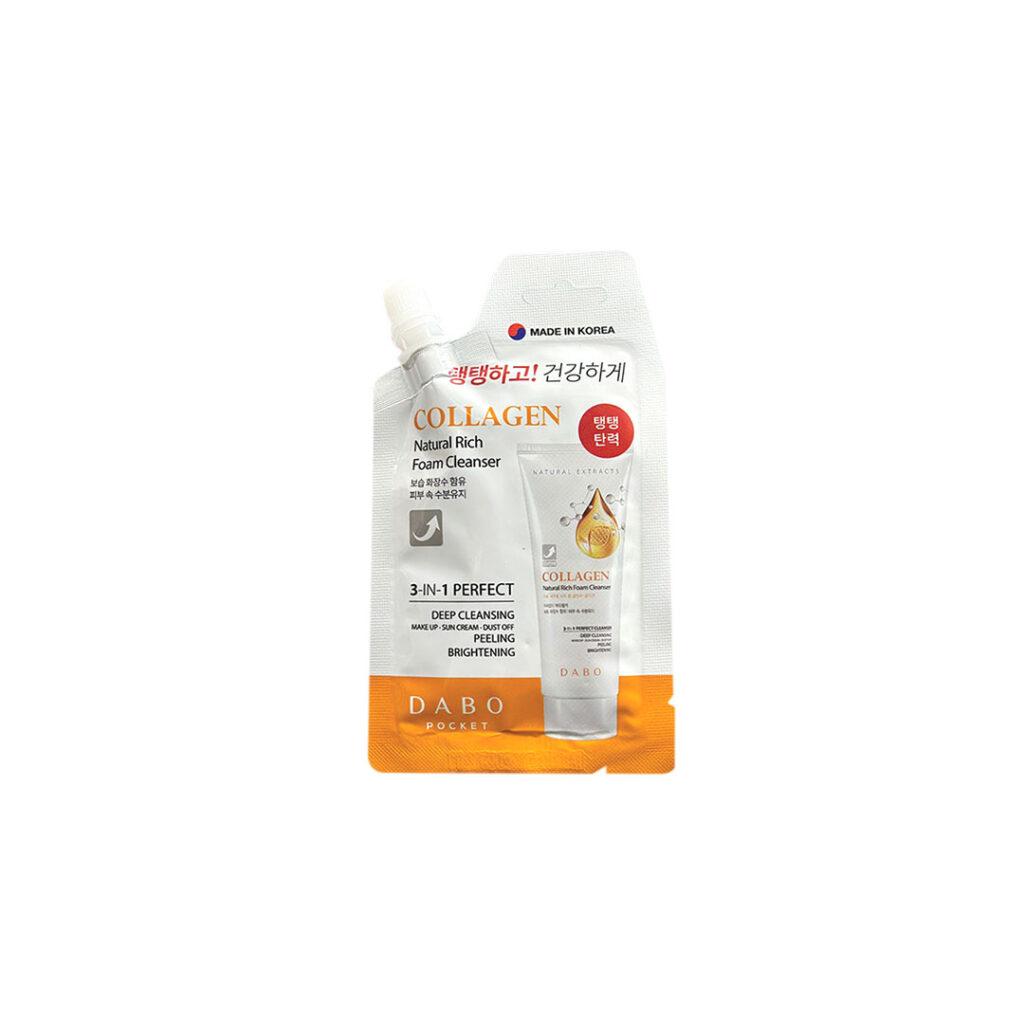
Dabo Natural Rich Foam Cleanser Collagen 20 ml
৳250
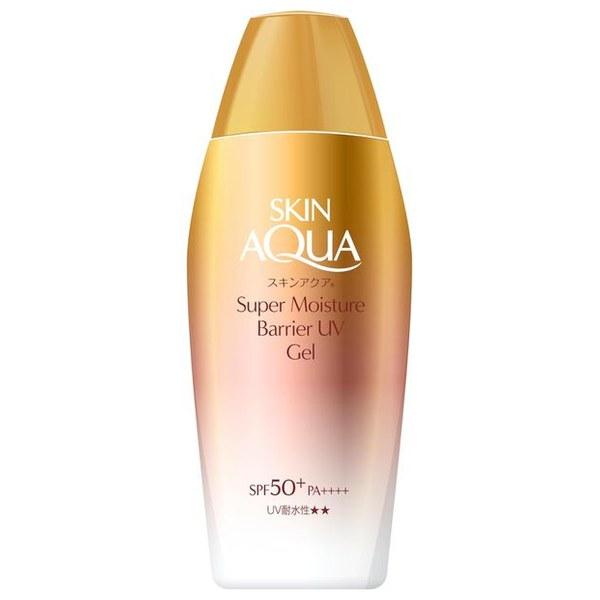
Skin Aqua Super Moisture Barrier UV Gel SPF 50+ PA++++ 100g
৳1,490
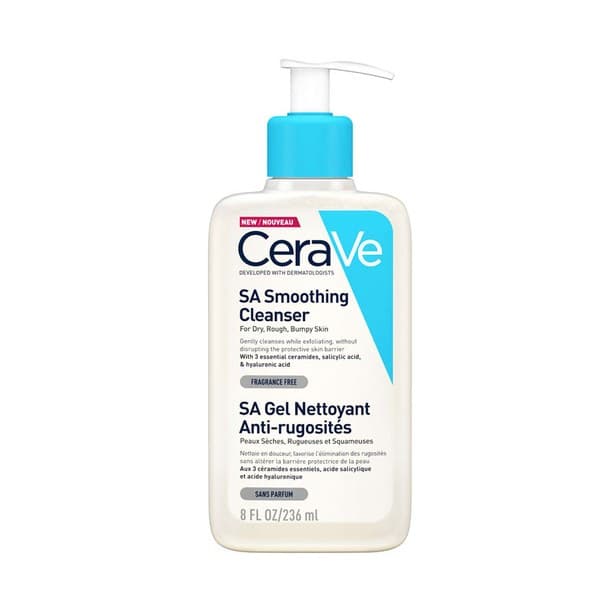
CeraVe SA Smoothing Cleanser 236ml
৳2,000
The Body Shop Vitamin E Cream Cleanser 250ml
৳1,490