
Sunscreen Guide
Sensitive Skin Skincare: What to Use and What to Avoid
The “Less is More” Vibe for Sensitive Skin Ever felt like your face is fighting you? One day it’s fine, and the next, a new cream makes you break out in tiny red bumps. I
The “Less is More” Vibe for Sensitive Skin
Ever felt like your face is fighting you? One day it’s fine, and the next, a new cream makes you break out in tiny red bumps. If you’re dealing with sensitive skin, you know the struggle. Our skin in Bangladesh takes a beating. Between the oppressive humidity of a Dhaka afternoon and the drying blast of office AC, the skin barrier often just gives up.
The trend right now is “skin minimalism.” People are ditching 10-step routines for a few high-quality basics. It’s not just a fad. For sensitive skin, it’s a survival strategy.
Too many ingredients mean more chances for a reaction. Fragrances are the biggest culprits here. They smell great but do nothing for your skin. In fact, they often trigger inflammation. Stick to fragrance-free labels. Your skin will thank you.
The Holy Grail Brands
You’ve probably seen CeraVe, La Roche-Posay, and Avene all over your feed. There’s a reason they’re everywhere. These brands focus on the skin barrier, which is basically your skin’s security guard. When that guard is tired, moisture escapes and irritants get in.
CeraVe is a favorite because of ceramides. These are lipids that naturally occur in the skin. Their hydrating cleansers don’t leave your face feeling “squeaky clean”—which is actually a bad thing. That tight feeling is just your barrier screaming for help.
La Roche-Posay and Avene use thermal spring water. It’s soothing. If your face feels hot or itchy after being outside in the sun, a spray of Avene thermal water is like a cold glass of water for your pores. It calms the redness instantly.
What to Use (and What to Ditch)
Keep your routine lean. You only need three core things: a gentle cleanser, a basic moisturizer, and a mineral sunscreen.
- Avoid: Harsh scrubs with beads, high-percentage glycolic acids, and anything with “parfum” high up on the list.
- Look for: Hyaluronic acid for hydration, Ceramides for repair, and Centella Asiatica (Cica) to soothe redness.
Stop using those foaming cleansers that leave your skin feeling stripped. Switch to a non-foaming cream or lotion cleanser. It feels different, almost like you’re not washing your face, but it keeps your natural oils intact.
The Golden Rule: Patch Testing
Don’t just slather a new product all over your face. That’s a recipe for disaster. Patch testing is non-negotiable.
Apply a tiny bit of the product on your inner forearm or behind your ear. Wait 24 to 48 hours. If you don’t see redness or feel itching, you’re likely good to go. It’s a boring process, but it saves you from a week of breakouts.
Start one product at a time. If you introduce three new things at once and your skin reacts, you’ll have no idea which one caused the problem. Patience wins here.
Repairing the Barrier
When your skin is stinging or peeling, stop all actives. No Vitamin C. No Retinol. No exfoliating acids. Just stop.
Focus entirely on barrier repair. Use a thick, bland moisturizer. Apply it to slightly damp skin to lock in the moisture. This gives your skin the space it needs to heal itself. Once the stinging stops and the glow returns, you can slowly bring back your other products.
Shopping for these can be tricky because of fakes in the market. I usually check Emart Skincare Bangladesh to make sure I’m getting the authentic versions of CeraVe or LRP. It’s worth paying for the real deal when your skin is this reactive.
Most of these dermatologist-recommended staples are available at Emart if you’re looking to simplify your shelf.
Shop Related Products
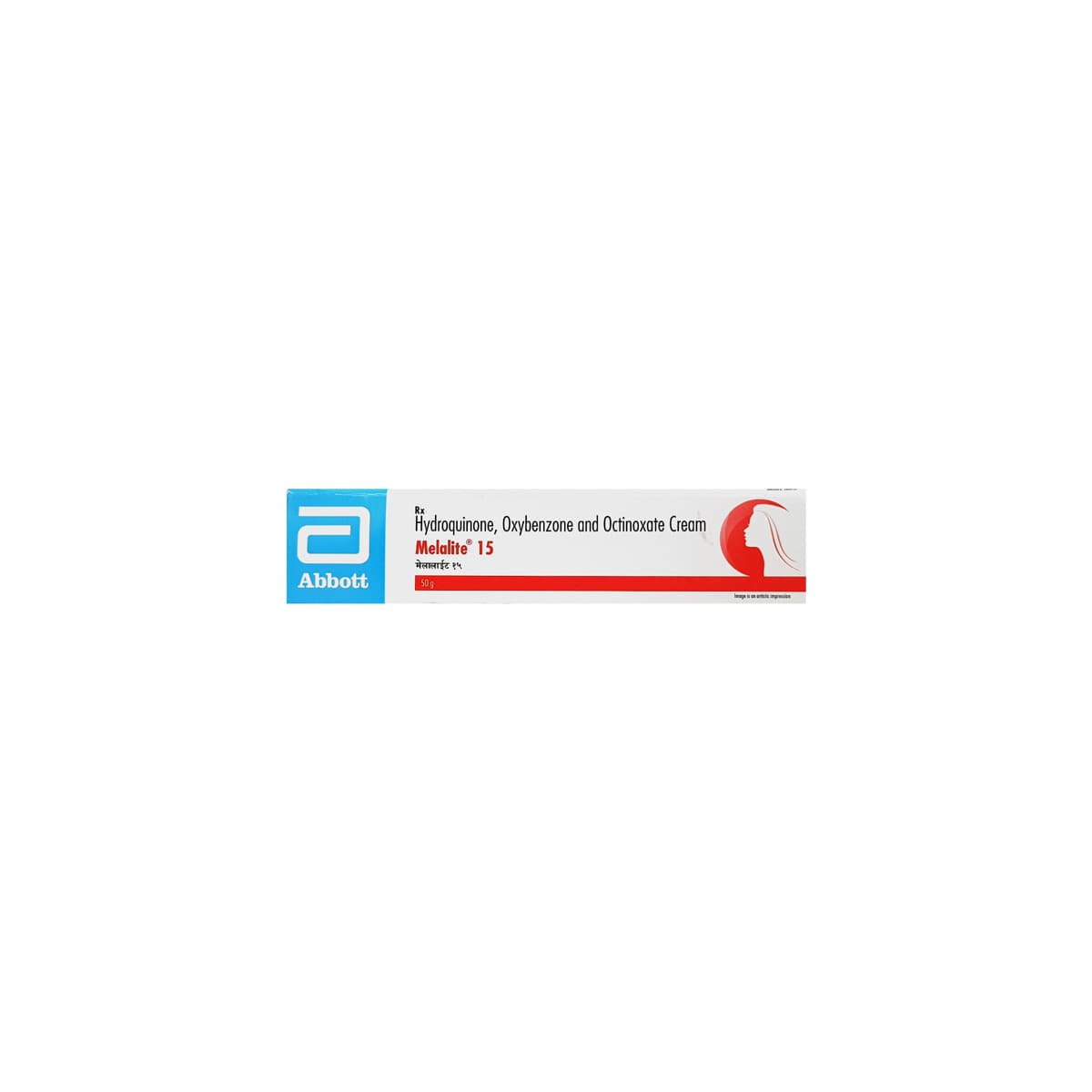
Abbott Melalite 15 Cream – 15gm
৳950
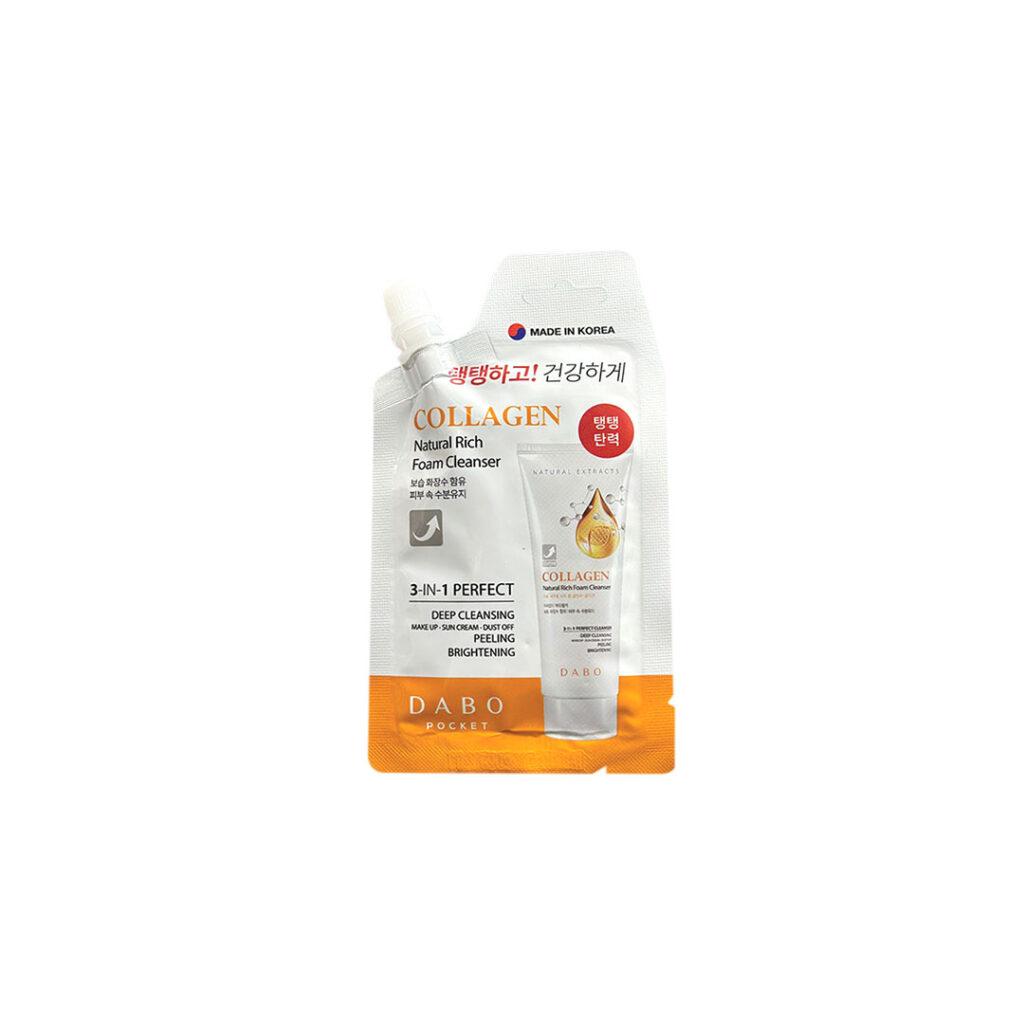
Dabo Natural Rich Foam Cleanser Collagen 20 ml
৳250
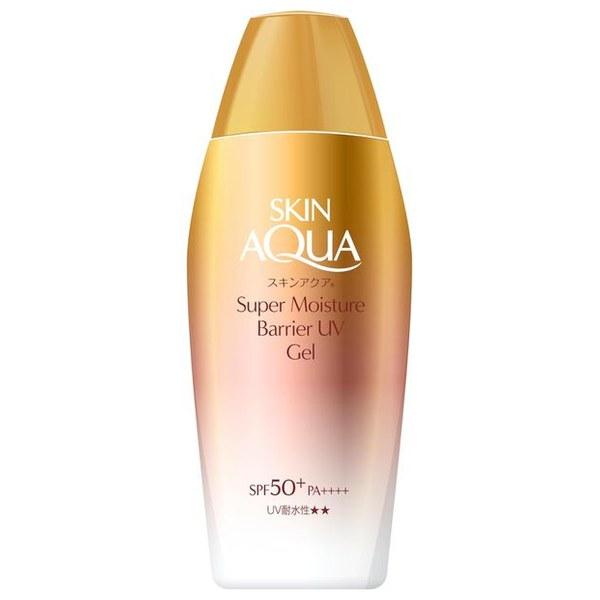
Skin Aqua Super Moisture Barrier UV Gel SPF 50+ PA++++ 100g
৳1,490
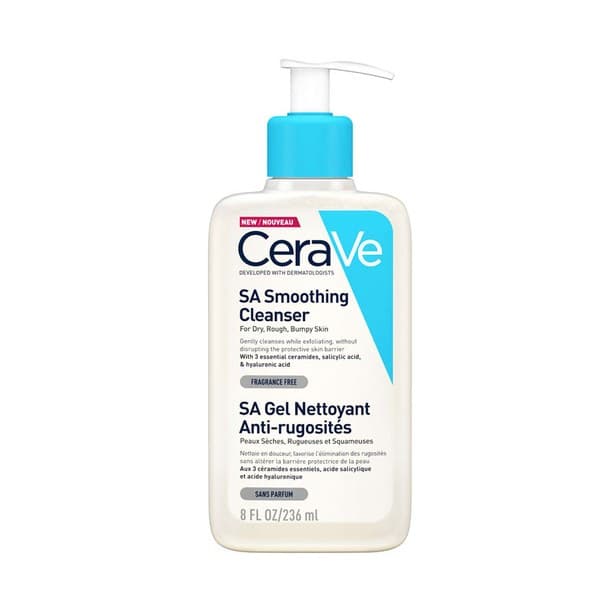
CeraVe SA Smoothing Cleanser 236ml
৳2,000