
Sunscreen Guide
How to Prevent and Treat Dehydrated Skin in Bangladesh
Dry vs. Dehydrated Skin: Know the Difference First things first: dry skin and dehydrated skin are not the same. Dry skin lacks oil. It feels rough, may flake and often lo
Dry vs. Dehydrated Skin: Know the Difference
First things first: dry skin and dehydrated skin are not the same. Dry skin lacks oil. It feels rough, may flake and often looks dull. Dehydrated skin, on the other hand, is low on water. It can belong to any skin type—oily, combination, even normal. When you see a tight feeling after washing or fine lines that pop up after a long day, that’s usually dehydration, not a lack of oil.
In Bangladesh, you’ll meet both problems in a single week. A humid monsoon afternoon can leave your pores clogged, while the same day in an air‑conditioned office at 22 °C strips away moisture like a sponge.
Why the Bangladeshi Climate Messes with Your Moisture Balance
Summer in Dhaka feels like walking through a steam room. Relative humidity often hits 80 % and temperatures hover around 34 °C. Your skin sweats, the barrier swells, and you might think you’re “moisturized” already. But that sweat is salty and can actually draw water out of the deeper layers.
Flip the switch to the cooler side of the city—shopping malls, offices, or your home with an AC set to 24 °C. The air becomes dry, sometimes dropping to 30 % humidity. In that environment, the outermost skin cells lose water fast, leaving that dreaded tight, cracked feeling.
Both extremes stress the skin barrier. The key is to give your skin the right kind of hydration, no matter what the weather is doing.
Layering Hydration: The Simple 3‑Step Method
Think of your skin like a sponge: you need to soak it with water first, then seal the moisture in. Here’s a quick routine you can follow morning and night.
- Step 1 – Cleanse with a gentle, hydrating wash. Look for formulas with glycerin or hyaluronic acid. A mild foaming gel that lathers without stripping is perfect for both humid and AC‑dry days.
- Step 2 – Apply a water‑based serum. Choose a product that lists hyaluronic acid, sodium PCA, or aloe vera near the top of the ingredient list. These humectants pull water from the air (or from the deeper skin layers) and bind it where you need it.
- Step 3 – Lock it in with an occlusive moisturizer. A light cream with ceramides, squalane, or dimethicone works wonders. If you’re sweating heavily, a gel‑cream hybrid feels less heavy but still prevents evaporation.
During the monsoon, you might skip the occlusive step because the air already feels “wet.” Resist that temptation. Even on a 78 % humid day, the outer skin can still lose water fast, especially after a shower.
Ingredient Spotlights You’ll See on the Shelves
Hyaluronic acid is the poster child for hydration, but not all versions are equal. Low‑molecular‑weight HA (around 20 kDa) penetrates deeper, while higher weights sit on the surface and create a plumping film.
Niacinamide is another hero. It strengthens the barrier, reduces transepidermal water loss, and calms redness—something Bangladeshi skin loves after a day under the sun.
If you’re on a budget, look for products that combine both. Many local brands now offer a “hydra‑boost” serum that mixes HA with niacinamide at an affordable price point.
Practical Tips for Everyday Life in Bangladesh
1. Drink water wisely. Aim for at least 2 liters daily, but don’t rely on just plain water. Add a pinch of salt and a squeeze of lemon for electrolytes, especially after sweating.
2. Use a humidifier at night. Even a small tabletop model can raise indoor humidity from 30 % to around 45 %, enough to keep your skin from waking up feeling tight.
3. Spritz throughout the day. A facial mist with rose water or cucumber extract can give a quick boost. Keep a spray bottle in your bag for those AC‑dry office hours.
4. Don’t over‑exfoliate. One gentle chemical exfoliant (like 5 % AHA) per week is enough. Too much scrubbing will damage the barrier and accelerate dehydration.
5. Choose the right sunscreen. A lightweight, non‑comedogenic SPF 30 with added antioxidants protects against UV‑induced water loss. Look for “broad spectrum” and “water‑resistant” if you’ll be outdoors during the monsoon.
Where to Find These Products in Bangladesh
Many of the hydrating serums and moisturizers mentioned are stocked at Emart Skincare Bangladesh. They carry both international favorites and locally formulated options, so you can pick what fits your budget and skin type.
Quick FAQ
- Can oily skin be dehydrated? Absolutely. Oil doesn’t equal water. If you notice a shiny T‑zone but also feel tightness, add a hydrating serum before your usual mattifying moisturizer.
- Is drinking more water enough? It helps, but topically delivering water is far more effective for visible results.
- Should I switch products every season? Not necessarily. A good baseline routine works year‑round; you just adjust the occlusive layer—lighter gel in monsoon, richer cream in winter/AC‑heavy months.
Remember, healthy skin isn’t about a single miracle product. It’s about layering the right ingredients, respecting your climate, and staying consistent. The next time you feel that uncomfortable tightness after a long day in a bustling, air‑conditioned mall, reach for a hyaluronic serum, seal it with a ceramide cream, and let your skin thank you.
All the goodies mentioned are easy to pick up at Emart, so you can start building your hydration routine without hunting down hard‑to‑find items.
Shop Related Products
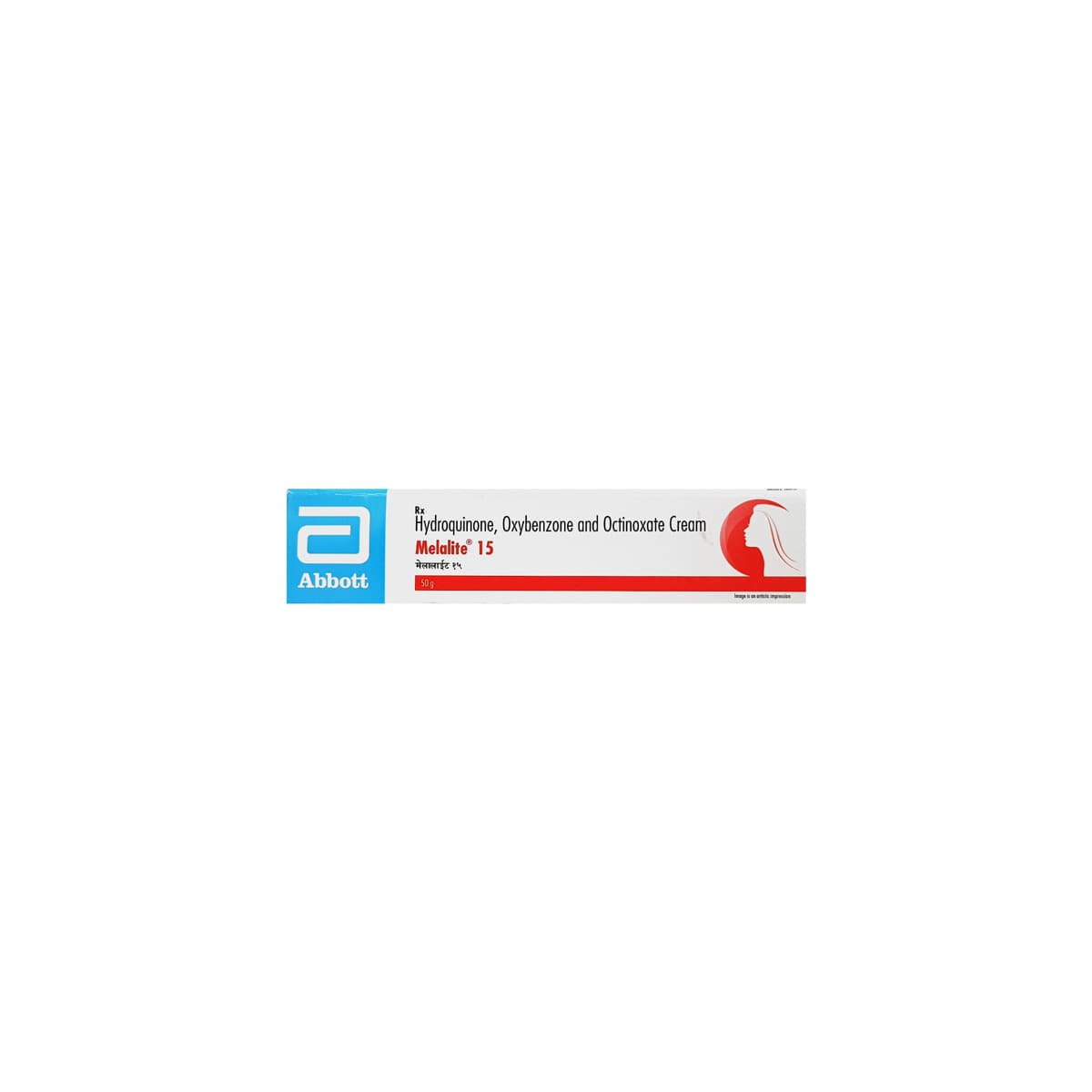
Abbott Melalite 15 Cream – 15gm
৳950
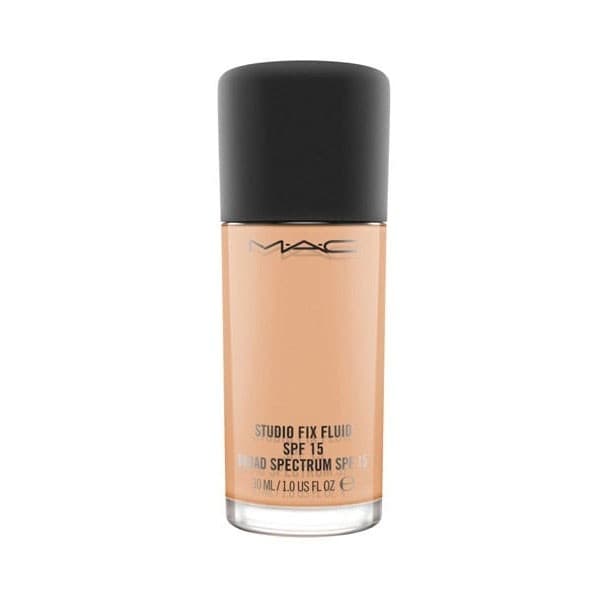
M.A.C Studio Fix Fluid SPF 15 Foundation (30ml)
৳2,860
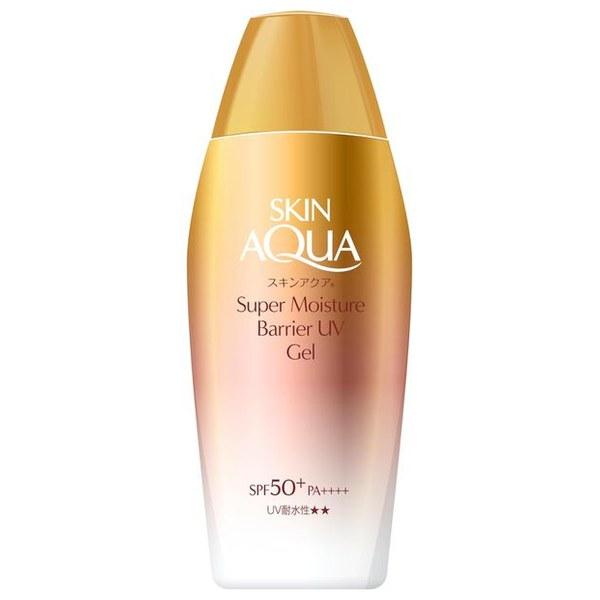
Skin Aqua Super Moisture Barrier UV Gel SPF 50+ PA++++ 100g
৳1,490
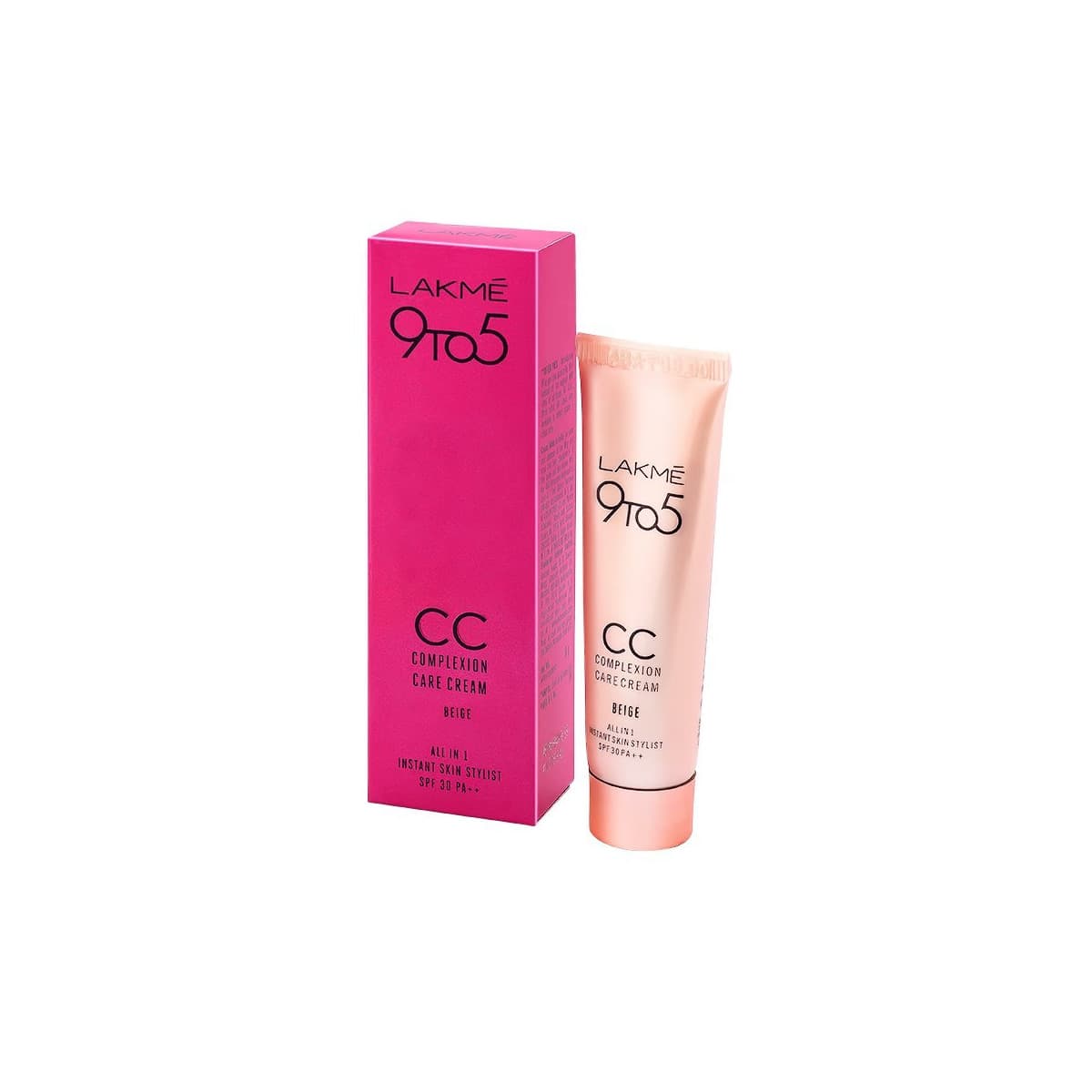
Lakme 9 to 5 Complexion Care Cream–Beige 30ml
৳600